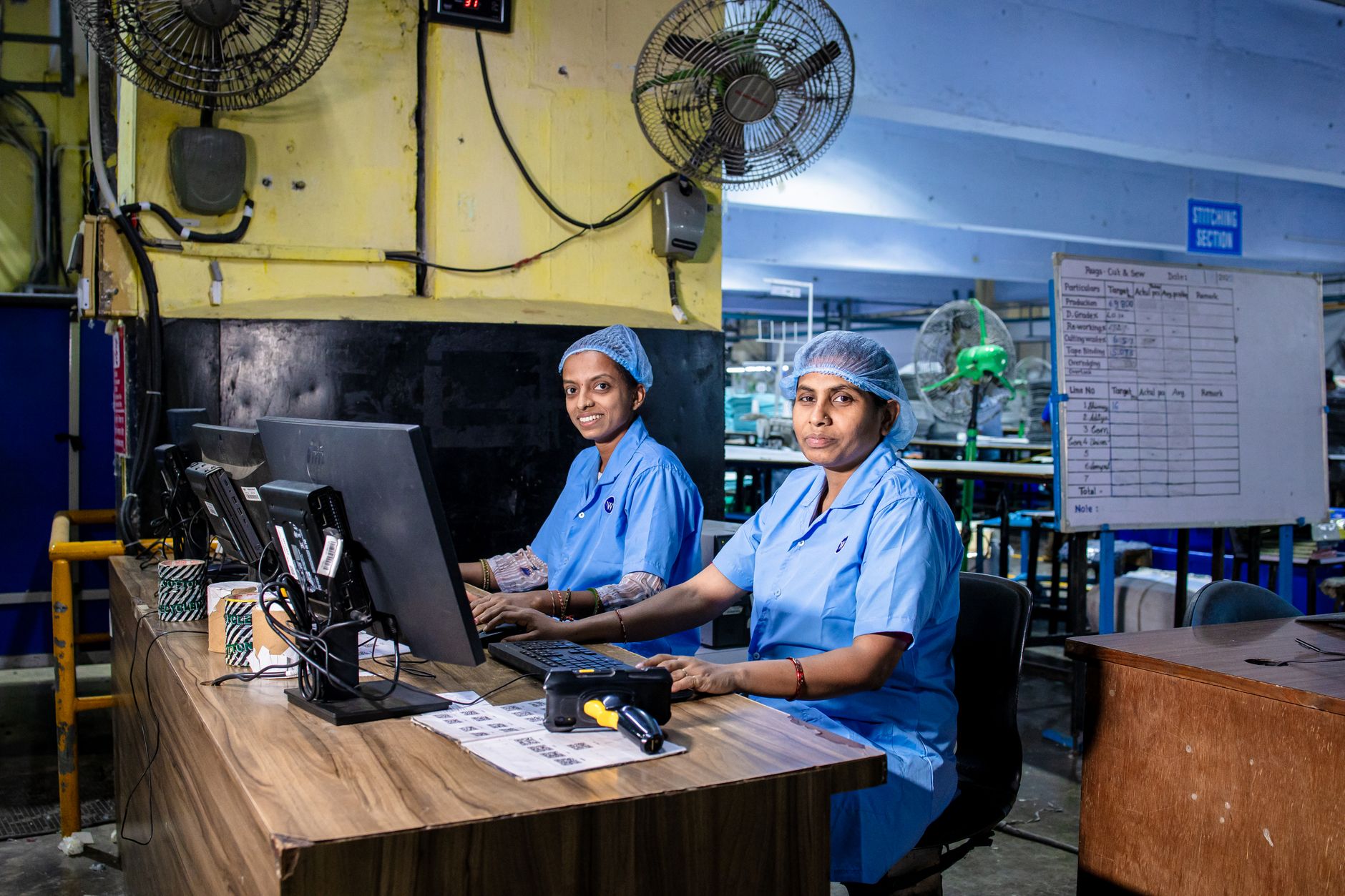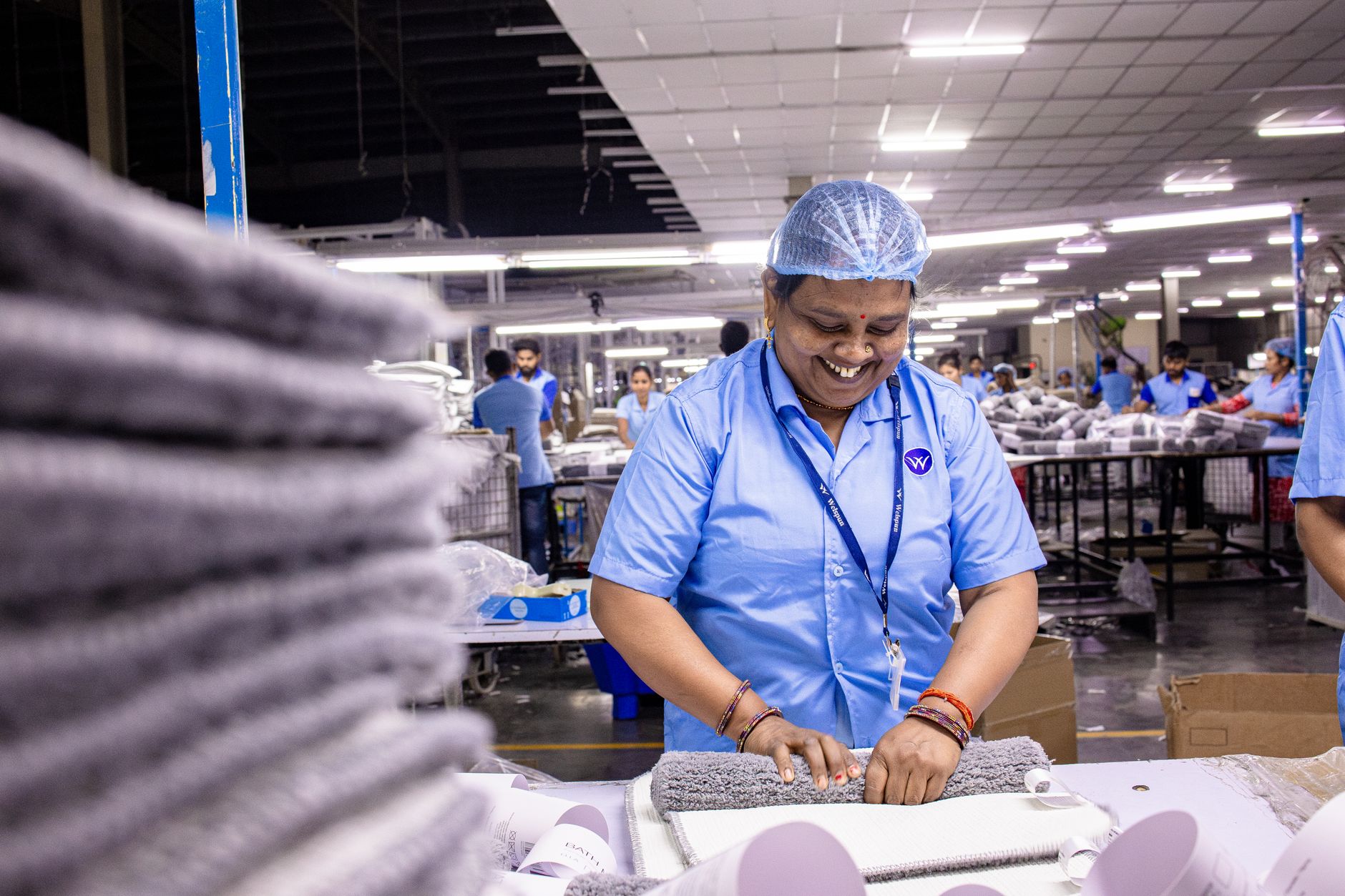
India's business process outsourcing sector is witnessing a transformative shift as major players embrace impact sourcing strategies that combine social responsibility with business objectives. Alorica India's latest initiative represents a growing trend where companies are actively recruiting from underrepresented communities while demonstrating that inclusive hiring practices can coexist with high performance standards.
Understanding Impact Sourcing
Impact sourcing refers to the business practice of intentionally hiring and providing career development opportunities to people from disadvantaged backgrounds who typically face barriers to formal employment. This includes individuals from low-income households, people with disabilities, residents of rural areas, women re-entering the workforce, and members of historically marginalized communities.
Unlike traditional corporate social responsibility programs that operate separately from core business functions, impact sourcing integrates social impact directly into talent acquisition and workforce development strategies. The approach recognizes that untapped talent pools exist within underserved communities and that with proper training and support, these individuals can become valuable contributors to business success.
The Business Case for Inclusive Hiring
The BPO and IT services industry in India has long grappled with high attrition rates and talent shortages in tier-1 cities. Impact sourcing addresses these challenges while creating meaningful social change. Organizations that adopt this model often discover several business advantages:
- Reduced recruitment costs by accessing overlooked talent pools
- Lower attrition rates as employees from disadvantaged backgrounds often demonstrate higher loyalty
- Enhanced company reputation and brand value among socially conscious clients
- Improved employee morale across the organization
- Compliance with diversity and inclusion mandates
Research has shown that employees hired through impact sourcing programs frequently outperform their peers in metrics such as attendance, retention, and customer satisfaction scores. This challenges longstanding assumptions about the correlation between traditional credentials and job performance.
Challenges Faced by Underrepresented Communities
India's labor market, despite its size and diversity, remains inaccessible to many qualified individuals due to systemic barriers. Rural residents often lack awareness of urban job opportunities and face difficulties with relocation. Women, particularly in conservative regions, encounter cultural resistance to workplace participation. People with disabilities struggle with inadequate infrastructure and workplace accommodations.
Educational gaps, language barriers, and lack of professional networks further compound these challenges. Many talented individuals possess strong problem-solving abilities and interpersonal skills but lack the formal credentials or connections that traditional hiring processes prioritize.
Implementation and Support Systems
Successful impact sourcing initiatives require more than just modified recruitment criteria. Companies must invest in comprehensive support systems including:
- Pre-employment training programs covering technical skills, language proficiency, and workplace soft skills
- Transportation assistance or location strategies that place operations in accessible areas
- Flexible scheduling options to accommodate caregiving responsibilities
- Mentorship programs pairing new hires with experienced employees
- Ongoing skill development and clear career advancement pathways
These support mechanisms ensure that employees from disadvantaged backgrounds receive the tools and environment necessary to succeed, creating a level playing field where performance becomes the primary differentiator.
Sector-Wide Implications
The BPO industry's embrace of impact sourcing could have ripple effects across India's economy. As one of the country's largest employers, the sector's hiring practices influence broader labor market trends. Success stories from major players can encourage smaller companies to adopt similar approaches.
Furthermore, impact sourcing aligns with national policy objectives around inclusive growth and skill development. Government initiatives such as the National Rural Livelihood Mission and Skill India could find natural partners in companies pursuing impact sourcing strategies.
Measuring Success Beyond Profits
While performance metrics validate the business viability of impact sourcing, the true measure of success extends to social impact indicators. These include the number of individuals lifted out of poverty, improvements in household income levels, enhanced educational opportunities for employees' children, and broader community development in regions where hiring occurs.
Companies implementing these programs typically track both business outcomes and social metrics, demonstrating that commercial success and social responsibility are not mutually exclusive but can be mutually reinforcing objectives.
The evolution of impact sourcing in India's outsourcing sector suggests a maturation of corporate thinking around talent and value creation. As more organizations recognize that capability exists across all segments of society, the definition of a qualified workforce continues to expand, creating opportunities for economic participation that were previously unavailable to millions of Indians.