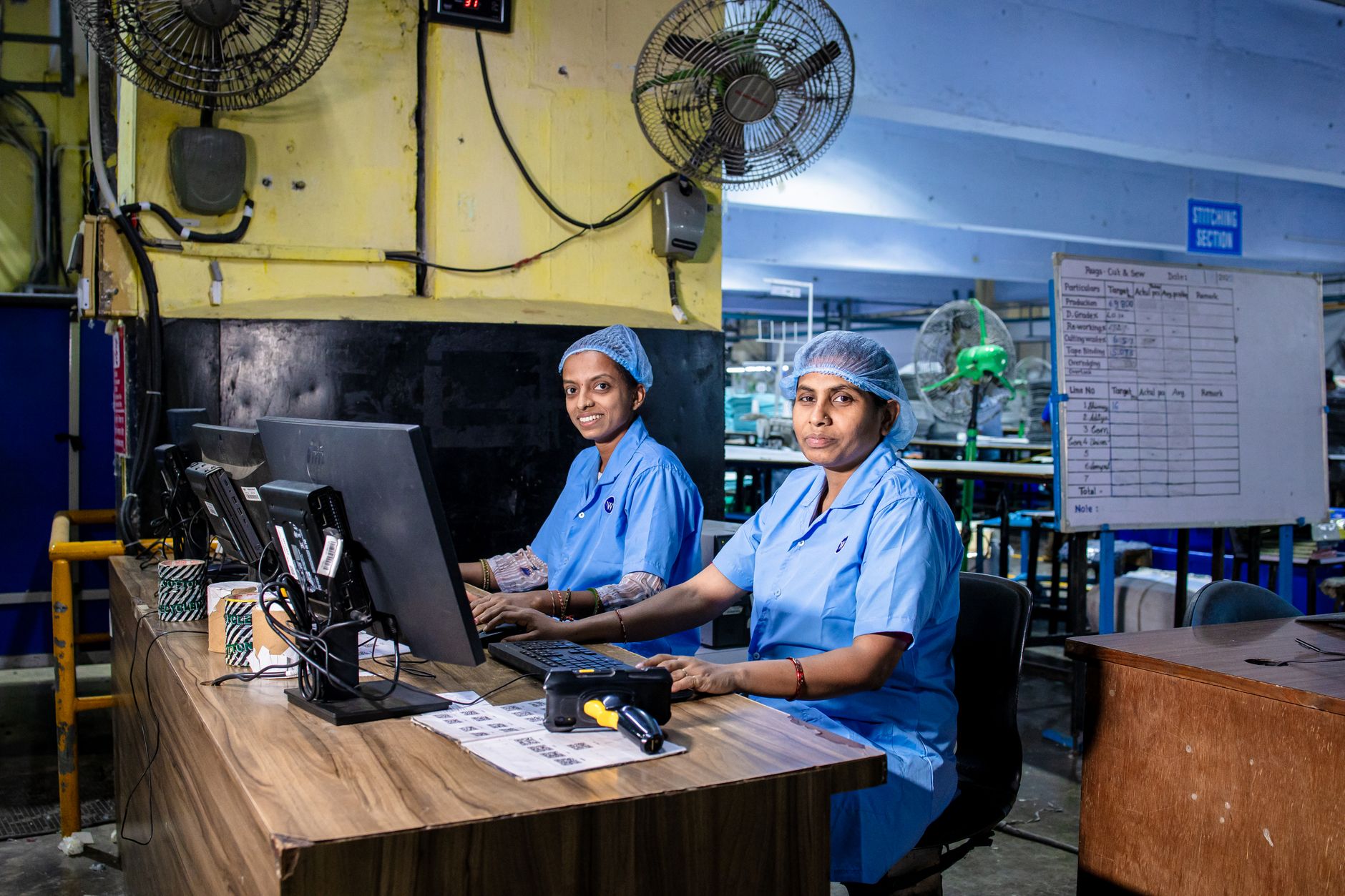
India's employment story is undergoing a remarkable transformation. While metros like Mumbai, Delhi, and Bangalore have traditionally dominated the job market, a new trend is emerging that's changing where Indians work. Cities like Visakhapatnam, Surat, Coimbatore, Indore, Jaipur, and Kochi are experiencing significant job growth, often outpacing their metropolitan counterparts.
The Shift Away from Metro Cities
Several factors are driving this geographic redistribution of employment opportunities. Rising real estate costs and congestion in major metros have made them less attractive for both businesses and workers. A mid-level professional in Bangalore might spend 40-50% of their salary on rent, whereas the same amount could secure a comfortable home with savings to spare in cities like Vizag or Surat.
Companies are increasingly recognizing that operational costs in tier-2 and tier-3 cities can be 30-40% lower than in metros. Office space, utilities, and employee costs are significantly reduced, while infrastructure has improved dramatically over the past decade. This cost advantage directly impacts profitability and competitiveness.
Industries Leading the Charge
Manufacturing remains the backbone of job creation in non-metro cities. Surat, long known as India's diamond polishing capital, has diversified into textiles and chemical manufacturing. The automotive sector has established major facilities in cities like Aurangabad and Sanand. These manufacturing units don't just create factory jobs—they spawn entire ecosystems of suppliers, logistics providers, and service businesses.
The information technology and IT-enabled services sector is also spreading beyond traditional hubs. Cities like Vizag, Indore, and Coimbatore now host offices of major IT companies and business process outsourcing firms. These companies benefit from lower attrition rates, as employees in smaller cities tend to stay longer with employers, reducing recruitment and training costs.
E-commerce and logistics have emerged as major job creators. Every non-metro city now requires warehousing facilities, last-mile delivery networks, and customer service operations. These sectors provide employment across skill levels, from warehouse workers to supply chain managers.
Government Initiatives Fueling Growth
State governments have played a crucial role through targeted industrial policies. Special Economic Zones, industrial corridors, and startup hubs have been established with attractive tax breaks and streamlined approvals. The Smart Cities Mission has pumped funds into urban infrastructure in 100 cities, many of them non-metros.
The production-linked incentive schemes for sectors like electronics, pharmaceuticals, and textiles have encouraged companies to set up facilities in smaller cities. These schemes offer substantial financial incentives for meeting production and investment targets.
Improved connectivity through airports, expressways, and dedicated freight corridors has made non-metro cities more accessible. A businessman in Surat can now reach Mumbai or Delhi within hours, eliminating the isolation that once characterized tier-2 cities.
Quality of Life Advantages
For employees, non-metro cities offer compelling lifestyle benefits. Lower costs of living translate to higher disposable incomes and better savings potential. A software engineer earning 30% less than their metro counterpart might still save more money each month after expenses.
Reduced commute times improve work-life balance. Instead of spending three hours daily in traffic, professionals in smaller cities often live within 20-30 minutes of their workplace. This additional time can be devoted to family, hobbies, or side businesses.
Better air quality, less crowding, and proximity to family networks make these cities attractive, especially for young professionals starting families. The COVID-19 pandemic accelerated this trend, as remote work proved that physical proximity to corporate headquarters wasn't always necessary.
Challenges to Address
Despite the positive momentum, challenges remain. Educational institutions in many non-metro cities need to expand and improve to supply skilled talent. While basic infrastructure has improved, world-class amenities like international schools, specialized healthcare, and entertainment options remain concentrated in metros.
Career growth concerns persist, as employees worry about limited opportunities for advancement or industry switching in smaller markets. Companies need to address these concerns through clear career paths, rotation opportunities, and competitive compensation.
The Road Ahead
The job boom in non-metro cities appears sustainable. As businesses seek cost efficiency and employees prioritize quality of life, this trend is likely to accelerate. Government focus on balanced regional development and continued infrastructure investment will further strengthen these cities as employment hubs.
For job seekers, this shift means expanding horizons beyond traditional metros. Opportunities in non-metro cities now span diverse sectors and skill levels, offering viable career paths with better work-life balance. India's jobs boom is truly becoming a story of inclusive geographic growth.