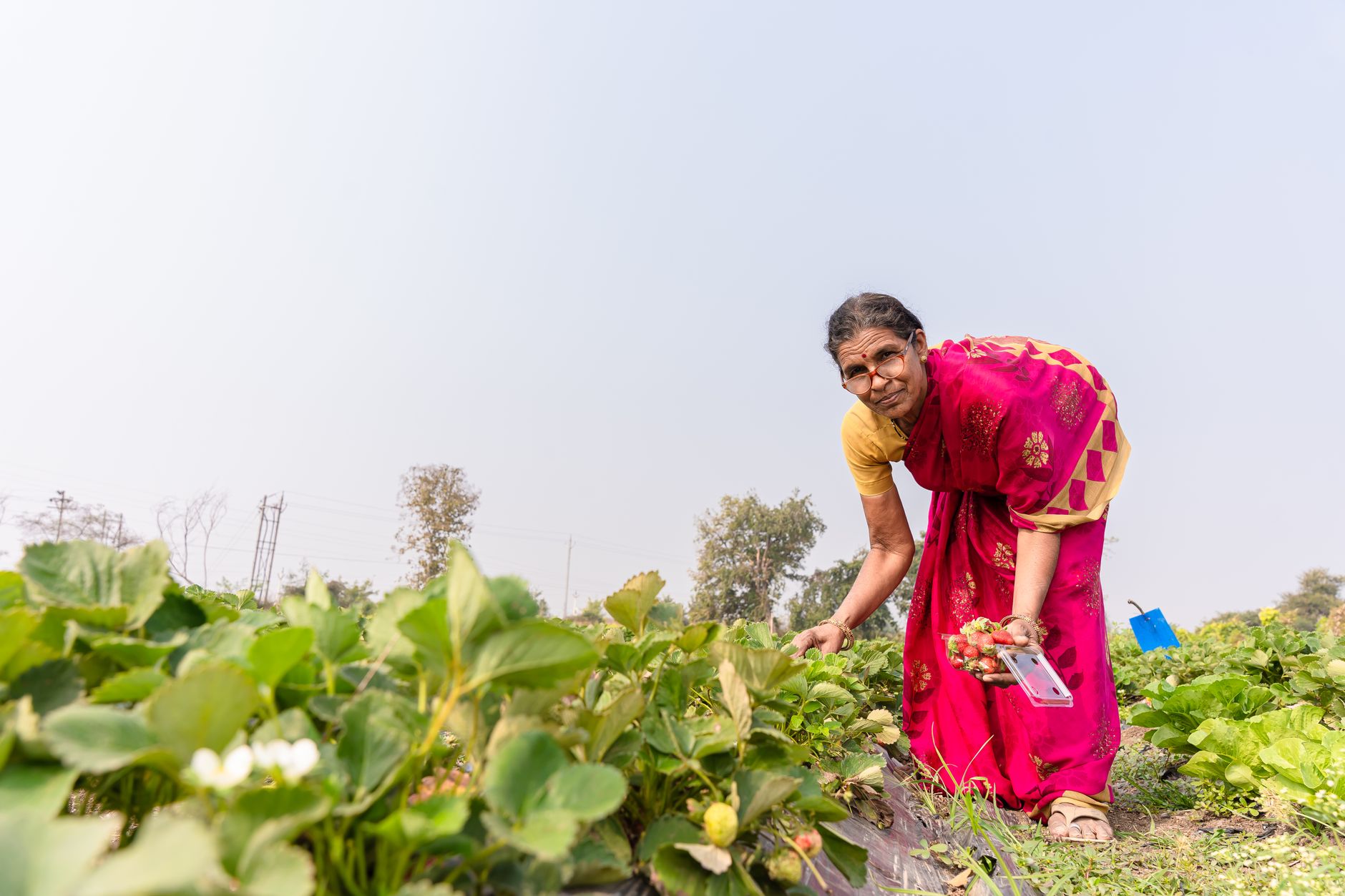
India's agricultural landscape faces a critical challenge that often goes unnoticed: deteriorating soil health. After decades of intensive farming, chemical fertilizer overuse, and land degradation, the nation's farmland is showing signs of nutrient depletion. Recognizing this threat to food security and farmer livelihoods, India has launched multifaceted initiatives combining traditional knowledge with modern science to revitalize the very foundation of agriculture.
The Silent Crisis Beneath Our Feet
Soil health directly impacts the nutritional quality of crops, agricultural productivity, and ultimately human health. Degraded soil produces crops with lower nutrient density, contributing to malnutrition despite sufficient caloric intake. Nearly 30 percent of India's land is estimated to be degraded, affecting crop yields and forcing farmers to use increasing amounts of chemical inputs that further damage soil structure.
The consequences extend beyond agriculture. Poor soil health affects water retention capacity, increases vulnerability to droughts and floods, and reduces the land's ability to sequester carbon, exacerbating climate change. For a nation where agriculture supports nearly half the population, soil degradation represents both an environmental and socioeconomic crisis.
The Soil Health Card Scheme
Central to India's soil restoration efforts is the Soil Health Card scheme launched in 2015. This program provides farmers with detailed reports about their soil's nutrient status, including nitrogen, phosphorus, potassium, and micronutrients. More than 220 million soil health cards have been distributed across the country, helping farmers make informed decisions about fertilizer application.
The cards recommend specific nutrient doses tailored to each farm's soil conditions and intended crops. This precision approach prevents both nutrient deficiency and excess application, optimizing crop health while reducing input costs. Farmers who follow soil health card recommendations report savings of 10 to 20 percent on fertilizer expenses while maintaining or improving yields.
Technology-Driven Soil Management
Digital technology is transforming how India monitors and manages soil health. Mobile applications now allow farmers to access soil testing recommendations, connect with agricultural experts, and receive customized advice. Geographic Information System mapping creates detailed soil health profiles across different regions, enabling targeted interventions.
Some states have introduced portable soil testing kits and mini-labs in rural areas, reducing the time and cost farmers need to invest in soil analysis. Advanced research institutions are employing remote sensing and satellite imagery to track soil moisture, organic matter content, and degradation patterns across vast agricultural areas.
Sustainable Farming Practices Gaining Ground
India is promoting several scientifically-backed sustainable practices that rebuild soil health naturally:
- Organic farming reduces chemical load and enhances beneficial soil microorganisms
- Zero tillage and minimum tillage prevent soil structure disruption and reduce erosion
- Crop rotation and intercropping restore nutrient balance and break pest cycles
- Green manuring involves growing specific crops to plow back into soil, adding organic matter
- Vermicomposting and composting convert agricultural waste into nutrient-rich soil amendments
- Biofortification programs develop crop varieties that thrive in specific soil conditions while delivering enhanced nutrition
The government's Paramparagat Krishi Vikas Yojana promotes organic farming clusters, while the National Mission for Sustainable Agriculture focuses on climate-resilient practices that protect soil resources.
The Science of Soil Microbiomes
Emerging research reveals that healthy soil contains billions of microorganisms essential for nutrient cycling, disease suppression, and plant growth. Indian agricultural scientists are studying native soil microbiomes to develop bio-fertilizers and bio-pesticides that work with natural soil ecology rather than against it.
These biological inputs enhance soil structure, improve water retention, and make nutrients more available to plants. They represent a shift from viewing soil merely as a growing medium to understanding it as a living ecosystem requiring careful stewardship.
Impact on Farmer Welfare and Food Security
Improved soil health directly translates to better farmer incomes and rural prosperity. Healthier soil requires fewer expensive inputs, produces more resilient crops, and maintains productivity over longer periods. This sustainability reduces the debt burden many farmers face and creates more stable livelihoods.
For consumers, soil health initiatives mean more nutritious food. Crops grown in balanced, microbe-rich soil contain higher levels of essential vitamins and minerals. As India addresses malnutrition challenges, soil restoration emerges as a foundational strategy for improving public health through the food system.
The Road Ahead
India's soil health mission requires sustained commitment across government, research institutions, farmers, and civil society. Continued investment in soil testing infrastructure, farmer education, research into indigenous practices, and incentives for sustainable farming will determine success.
The integration of traditional agricultural wisdom with cutting-edge technology offers a uniquely Indian approach to this global challenge, potentially providing a model for other nations facing similar soil degradation issues.
This article is for general informational purposes only and does not constitute agricultural or professional advice. Farmers should consult local agricultural extension services and soil testing facilities for specific recommendations tailored to their land and crops.