Guyana, a small South American nation experiencing unprecedented economic growth following major offshore oil discoveries, is looking eastward to India for technical expertise and partnership across several vital sectors. The country's High Commissioner has indicated keen interest in tapping into India's established capabilities in healthcare delivery, energy infrastructure, and agricultural innovation.
Why Guyana Is Turning to India
The relationship between India and Guyana extends beyond recent diplomatic overtures, rooted in historical ties through the significant Indian diaspora that forms approximately 40 percent of Guyana's population. However, the current push for collaboration reflects pragmatic development needs as Guyana manages its newfound oil wealth while addressing infrastructure gaps and social service deficits.
India's success in delivering cost-effective solutions across healthcare, renewable energy, and agriculture makes it an attractive partner for developing nations. The Indian model of frugal innovation—achieving substantial impact with limited resources—resonates particularly well with countries like Guyana that are building systems from relatively modest baselines.
Healthcare Sector Opportunities
Guyana's healthcare system faces challenges common to many developing nations, including limited specialist services, inadequate infrastructure in rural areas, and a shortage of trained medical professionals. India's expertise in this domain is substantial and multifaceted.
India has become a global leader in affordable healthcare delivery, with innovations in telemedicine, generic pharmaceutical manufacturing, and medical training. Indian medical institutions have successfully established satellite campuses and training programs in multiple countries, offering potential pathways for Guyana to expand its healthcare workforce.
The Indian pharmaceutical industry, known for producing high-quality generic medications at competitive prices, could help Guyana improve medication access and affordability. Additionally, Indian expertise in setting up small and medium-scale hospitals with efficient management systems could support Guyana's effort to expand healthcare access beyond its capital, Georgetown.
Telemedicine platforms developed in India to serve remote populations could be particularly relevant for Guyana, where much of the interior remains difficult to access. Such technology-enabled solutions allow specialists based in urban centers to consult with patients in distant locations, dramatically improving healthcare reach.
Energy Sector Collaboration
Despite its new status as an oil-producing nation, Guyana recognizes the importance of diversifying its energy portfolio and developing renewable capacity. India's ambitious renewable energy program—targeting 500 GW of non-fossil fuel capacity by 2030—provides valuable lessons and potential technical partnerships.
India has developed significant expertise in solar power deployment, particularly in standalone and mini-grid configurations suitable for remote areas. Given Guyana's tropical location and substantial sunlight availability, solar technology transfer could help electrify remote communities while reducing dependence on imported diesel.
Additionally, India's experience in managing the transition from traditional energy sources to more diverse portfolios, including natural gas integration, could inform Guyana's energy planning as it seeks to monetize its offshore resources while building sustainable infrastructure.
Agricultural Technology Transfer
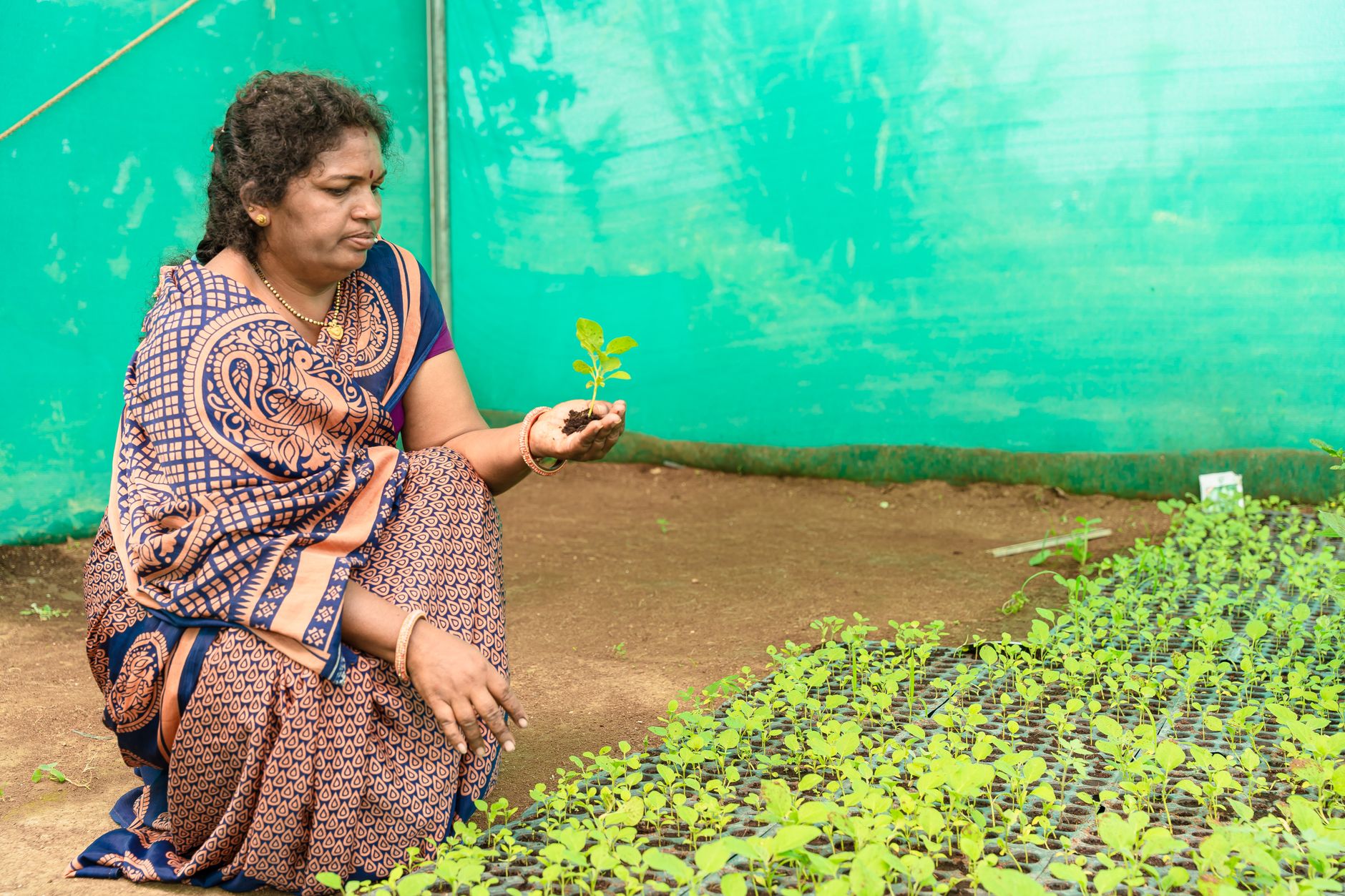
Agriculture remains vital to Guyana's economy and food security, despite the growing importance of oil revenues. India's agricultural research institutions have developed numerous crop varieties, farming techniques, and post-harvest technologies suited to tropical conditions.
Indian innovations in rice cultivation—a staple crop in both countries—could enhance productivity in Guyana's key agricultural sector. Water management technologies, including drip irrigation and rainwater harvesting systems developed for variable monsoon conditions, have potential applications in Guyana's climate.
Furthermore, India's extensive agricultural extension network model, which connects research institutions with farmers through training and demonstration programs, could help Guyana improve knowledge transfer from laboratories to fields.
The Broader Strategic Picture
This outreach represents part of India's expanding engagement with Latin America and the Caribbean, regions that have gained strategic importance in India's foreign policy. For Guyana, diversifying development partnerships beyond traditional Western allies provides flexibility and access to appropriate technologies.
The collaboration also reflects a broader trend of South-South cooperation, where developing nations share experiences and solutions better suited to similar economic and social contexts than technologies designed for wealthy markets.
As discussions progress from expressions of interest to concrete projects, success will depend on matching India's capabilities with Guyana's specific needs, ensuring effective technology transfer, and building sustainable institutional partnerships that outlast individual projects or political administrations.
This article is for general informational purposes only and does not constitute professional advice regarding international development, healthcare policy, or investment decisions.