Google's expanding presence in India's healthcare sector marks a significant milestone in the country's digital health transformation. The tech giant's collaboration with the All India Institute of Medical Sciences (AIIMS) and various public health initiatives signals a strategic commitment to leveraging artificial intelligence for addressing India's complex healthcare challenges.
Understanding the Partnership Framework
The collaboration between Google and AIIMS represents more than just a technology deployment. It encompasses research, development, and practical implementation of AI tools designed specifically for Indian healthcare contexts. AIIMS, as India's premier medical institution, brings clinical expertise and access to diverse patient populations, while Google contributes advanced machine learning capabilities and computational resources.
This partnership focuses on several key areas including diagnostic imaging analysis, disease prediction models, and healthcare data management systems. The goal is to create AI solutions that can function effectively within India's resource-constrained healthcare environment while maintaining high accuracy standards.
Key Areas of AI Healthcare Implementation
The Google-AIIMS collaboration targets multiple healthcare domains where AI can make immediate impact:
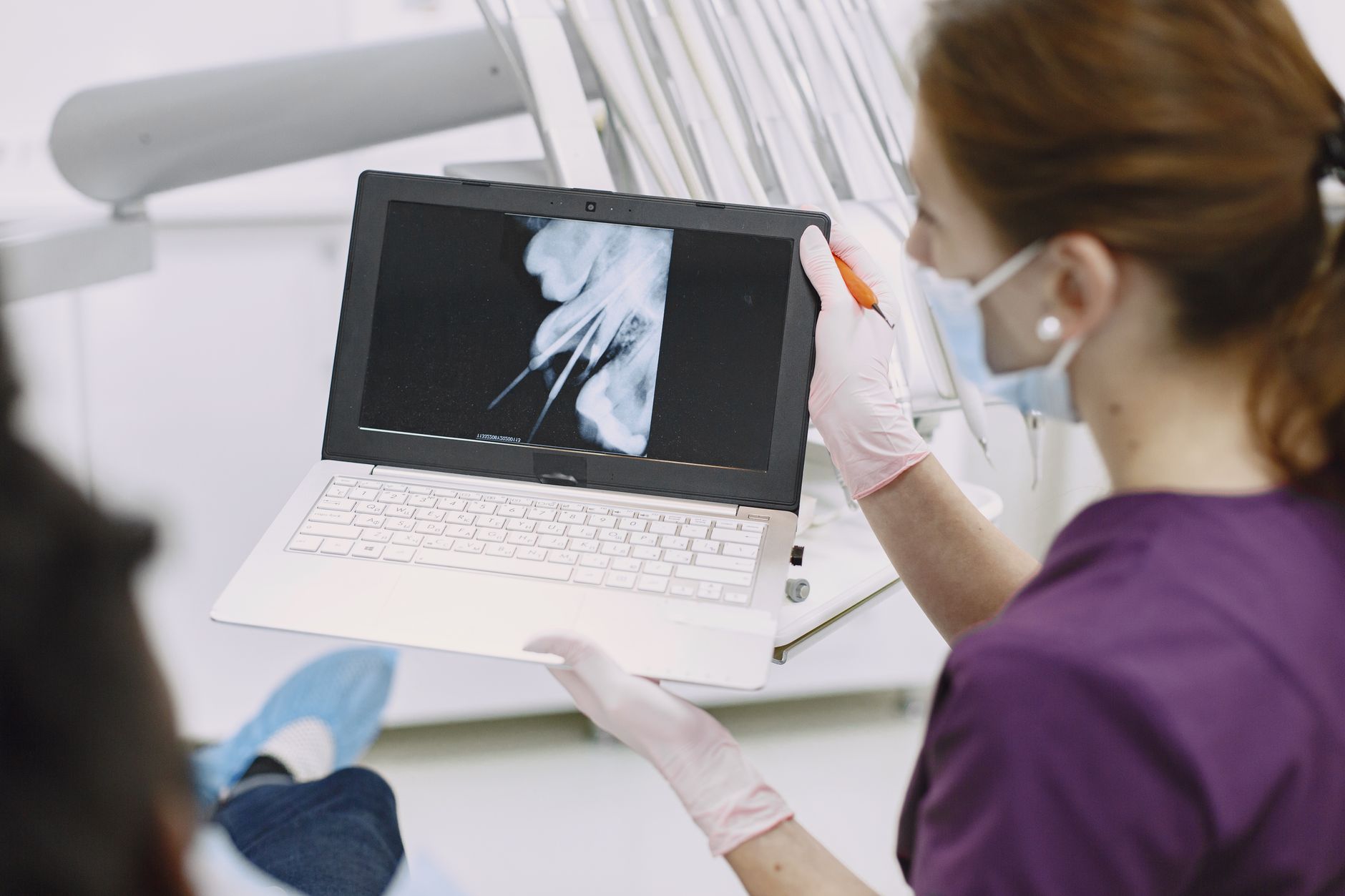
- Medical imaging analysis for detecting tuberculosis, diabetic retinopathy, and cardiovascular conditions
- Predictive analytics for disease outbreak monitoring and prevention
- Natural language processing for multilingual health information dissemination
- Clinical decision support systems for rural and underserved areas
- Health records digitization and management platforms
These initiatives are particularly crucial for India, where the doctor-to-patient ratio stands at approximately 1:1400, far below the WHO recommendation of 1:1000. AI tools can help bridge this gap by enabling faster diagnosis and treatment planning.
Public Health Initiatives and Accessibility
Beyond institutional partnerships, Google's public health initiatives aim to democratize healthcare access across India's diverse geography. The company is developing AI-powered tools that can operate on basic smartphones with limited internet connectivity, recognizing that rural India often lacks robust digital infrastructure.
One significant focus is creating regional language support for health information and diagnostic tools. With over 22 official languages and hundreds of dialects, language barriers significantly impact healthcare delivery in India. AI-powered translation and voice recognition systems can help healthcare workers communicate more effectively with patients and access medical information in their preferred languages.
Challenges in Implementation
Despite the promise of AI in healthcare, several challenges need addressing. Data privacy concerns remain paramount, especially given India's evolving data protection regulations. Google and AIIMS must ensure that patient information is anonymized and secured according to both international standards and local requirements.
Another challenge involves training healthcare professionals to effectively use AI tools. Many doctors and nurses, particularly in rural areas, may have limited exposure to advanced technology. Comprehensive training programs and user-friendly interfaces are essential for successful adoption.
Additionally, validation of AI algorithms across India's diverse population is critical. Medical AI systems trained primarily on Western datasets may not perform equally well on Indian patients due to genetic, environmental, and lifestyle differences. Extensive local testing and refinement are necessary.
Impact on Healthcare Delivery
The potential impact of this collaboration extends across India's healthcare ecosystem. For patients, it could mean faster diagnosis, particularly for conditions like tuberculosis and diabetic retinopathy that require specialized screening. Early detection significantly improves treatment outcomes and reduces healthcare costs.
For healthcare providers, AI tools can reduce workload, minimize diagnostic errors, and provide decision support in complex cases. This is especially valuable in rural health centers where specialist consultations may not be readily available.
From a public health perspective, AI-powered disease surveillance systems can help authorities identify and respond to potential outbreaks more quickly, as demonstrated during the COVID-19 pandemic.
Looking Ahead
Google's expanded AI healthcare drive in India represents a long-term commitment rather than a short-term project. The collaboration with AIIMS is likely to serve as a model for partnerships with other medical institutions across the country. As these initiatives mature, they could position India as a global hub for healthcare AI innovation, particularly for solutions designed for resource-limited settings.
The success of these initiatives will depend on continued collaboration between technology companies, medical institutions, government bodies, and civil society organizations. It will also require sustained investment in digital infrastructure, data systems, and human capacity building.
This article is for general informational purposes only and does not constitute medical or healthcare advice. Readers should consult qualified healthcare professionals for specific medical concerns and treatment options.