The global tourism industry is witnessing a fundamental shift. Travellers are increasingly moving away from traditional package tours and tick-box sightseeing towards deeper, more meaningful engagements with destinations. This transformation, known as experiential travel, prioritises authentic cultural immersion, local interactions, and personal growth over passive observation—and India stands uniquely positioned to capitalize on this trend.
Understanding the Experiential Travel Movement
Experiential travel represents a departure from conventional tourism models. Rather than simply visiting landmarks and taking photographs, modern travellers seek to participate in the daily life, traditions, and activities of the places they visit. They want to cook with local families, learn traditional crafts, attend village festivals, practice yoga at its birthplace, or trek through remote Himalayan communities.
This shift reflects broader changes in consumer behaviour, particularly among millennials and Generation Z travellers who prioritise experiences over material possessions. The COVID-19 pandemic accelerated this trend, with people emerging from lockdowns craving meaningful connections and authentic encounters rather than superficial tourist experiences.
India's Natural Advantages
India's extraordinary diversity makes it an experiential traveller's paradise. Few countries can match the sheer variety of cultures, languages, cuisines, landscapes, and traditions packed within a single nation. From the snow-capped peaks of Ladakh to the backwaters of Kerala, from bustling metropolitan cities to remote tribal villages, India offers countless opportunities for immersive experiences.
The country's living traditions provide particular appeal. Unlike many destinations where cultural practices exist primarily for tourist consumption, India's festivals, rituals, and daily customs remain vibrant parts of contemporary life. Travellers can witness and participate in authentic celebrations, not staged performances.
Key Experiential Offerings Driving India's Appeal
India's experiential travel portfolio spans numerous categories:
- Culinary tourism through cooking classes, food walks, and farm-to-table experiences across diverse regional cuisines
- Wellness tourism including authentic yoga and Ayurveda treatments at traditional centres
- Adventure tourism from river rafting and mountaineering to wildlife safaris in biodiverse national parks
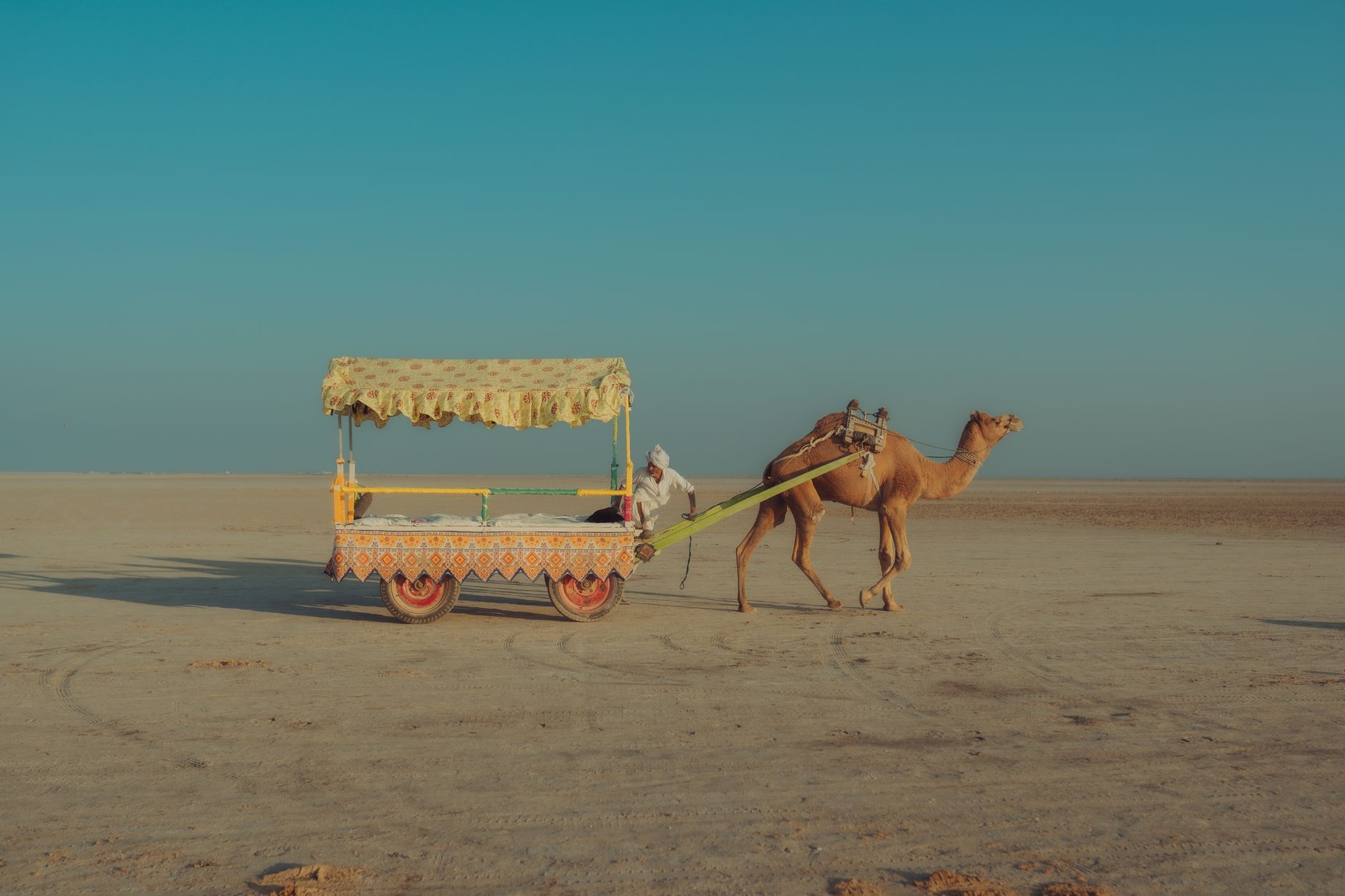
- Rural tourism allowing visitors to stay in villages and participate in agricultural activities
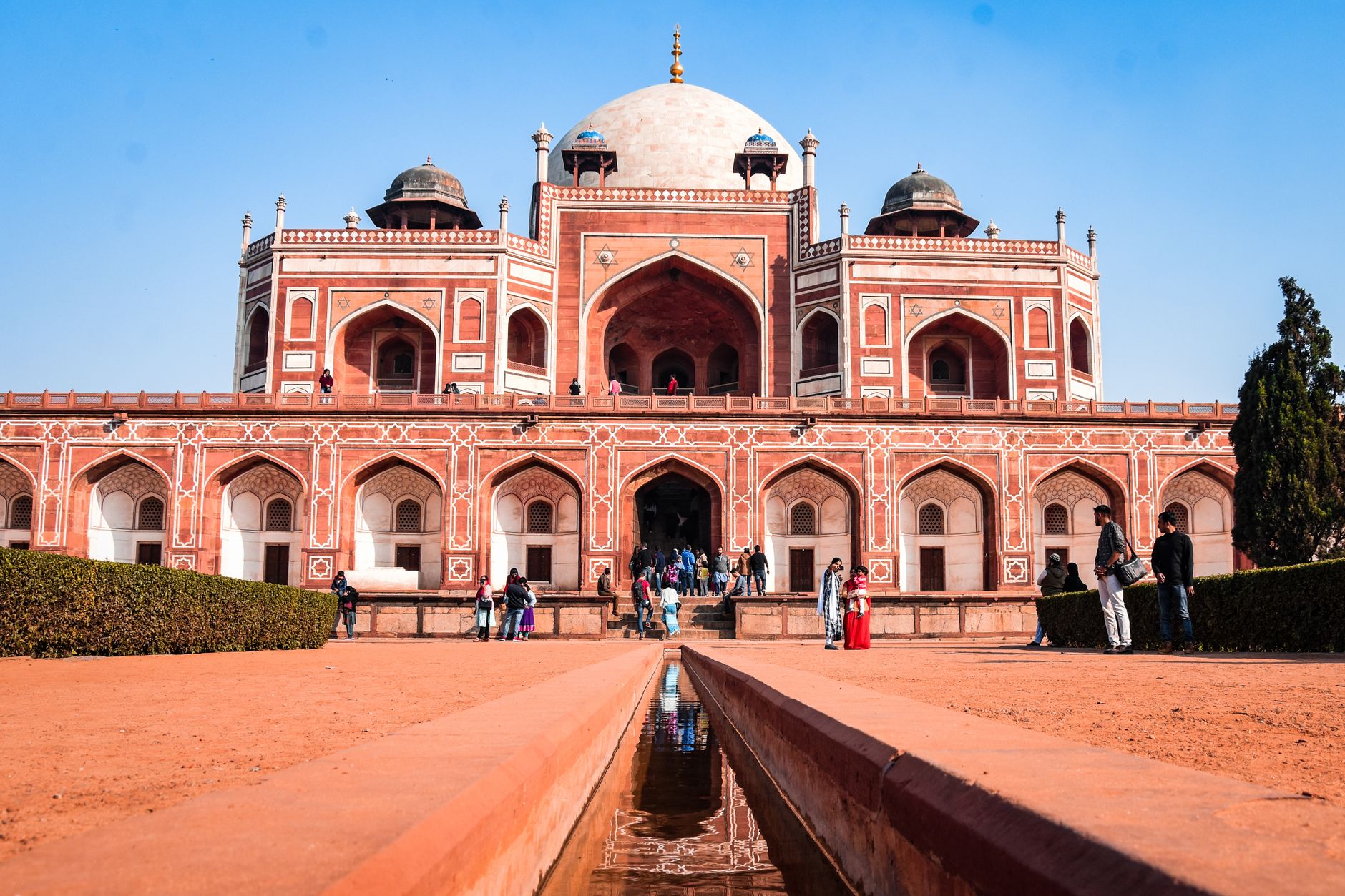
- Heritage tourism with immersive experiences at historical sites and living forts
- Spiritual tourism offering meditation retreats and participation in religious ceremonies
- Artisan tourism providing hands-on learning of traditional crafts from master craftspeople
Economic Impact and Opportunities
The experiential travel trend presents significant economic opportunities for India. Unlike mass tourism which often channels money to large hotel chains and international tour operators, experiential travel distributes economic benefits more widely. Local guides, home-stay operators, artisans, farmers, and small businesses directly benefit when travellers engage authentically with communities.
This model also promotes sustainable tourism development. When communities see direct economic benefits from preserving their cultural heritage and natural environment, they become active stakeholders in conservation efforts. Experiential tourism can thus support both economic development and cultural preservation simultaneously.
Infrastructure and Skill Development Needs
To fully capitalize on this opportunity, India must address certain challenges. Infrastructure improvements in rural and remote areas remain essential, including better connectivity, basic amenities, and safety measures. Many experiential destinations lack adequate roads, accommodation options, and communication networks.
Skill development for local communities is equally critical. Villagers, artisans, and small entrepreneurs need training in hospitality, language skills, digital marketing, and customer service to effectively host and engage with international visitors. Government initiatives and private sector partnerships can help build these capacities.
Marketing and Positioning
India's tourism authorities increasingly recognize experiential travel's potential. Marketing campaigns now highlight authentic experiences rather than just monuments. The "Incredible India" brand has evolved to showcase the country's diverse experiential offerings through storytelling that emphasizes personal transformation and cultural connection.
Digital platforms and social media play crucial roles in promoting experiential travel. User-generated content from travellers sharing their immersive experiences serves as powerful marketing, reaching potential visitors more effectively than traditional advertising.
Looking Forward
As global tourism continues evolving, India's combination of cultural richness, geographic diversity, and authentic living traditions positions it advantageously. The challenge lies in scaling experiential offerings while maintaining authenticity, ensuring community benefits, and preserving the very cultural heritage that attracts visitors. With thoughtful development and community-centric approaches, India can indeed emerge as a leading experiential travel destination, offering transformative journeys that benefit both travellers and host communities alike.