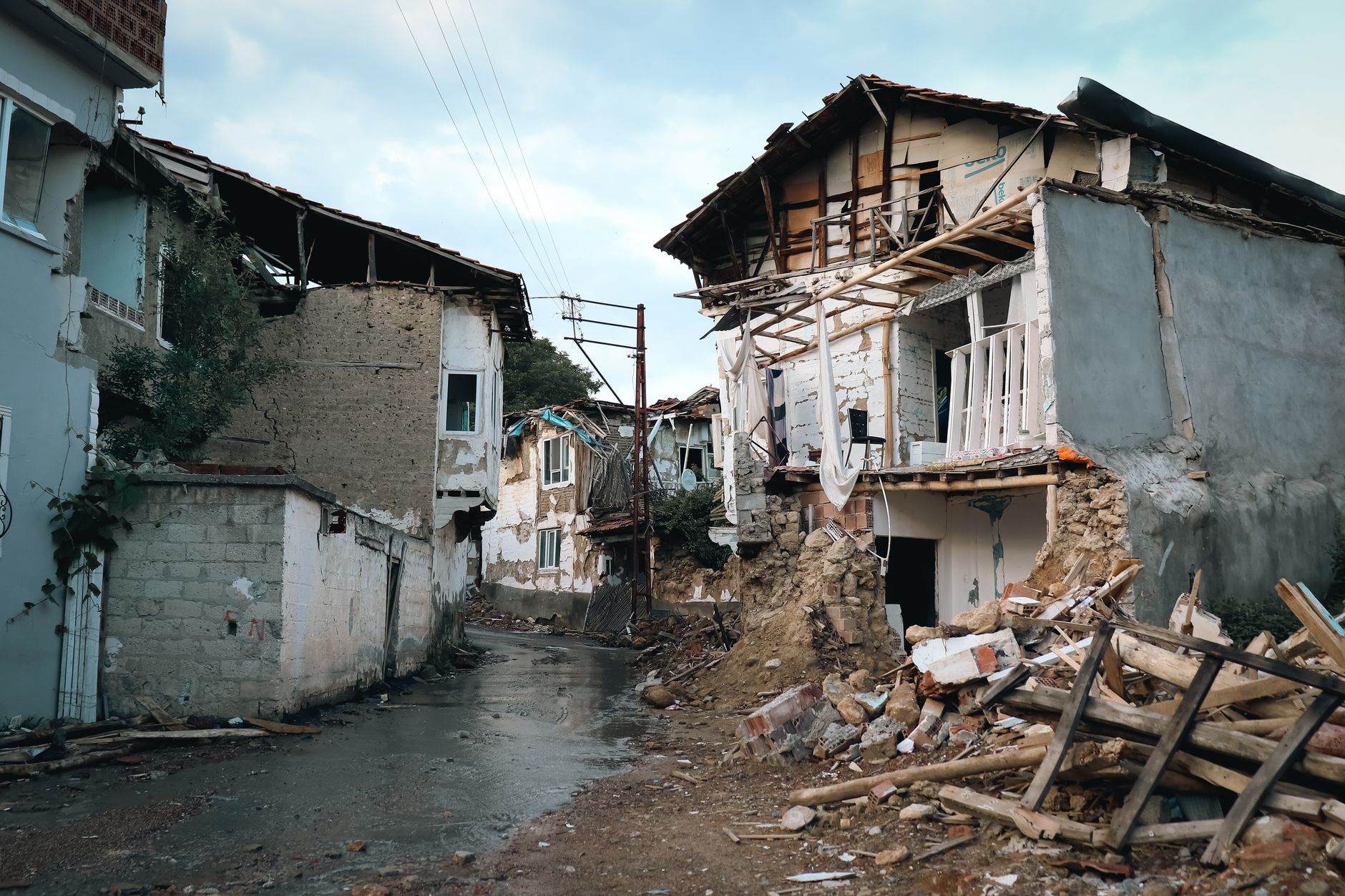
When earthquakes strike, the immediate destruction captures global attention, but the health crisis that unfolds in the following days and weeks poses equally serious threats to affected populations. The aftermath of seismic events creates a perfect storm of environmental health hazards that can lead to disease outbreaks, injuries, and long-term health complications if not properly managed.
The Dust Hazard Problem
Collapsed buildings generate enormous quantities of fine dust particles that remain suspended in the air for extended periods. This dust contains a dangerous mixture of concrete particles, asbestos from older structures, silica, and various chemical compounds from construction materials.
Breathing this contaminated air can trigger immediate respiratory problems including coughing, wheezing, and difficulty breathing. People with pre-existing conditions like asthma or chronic obstructive pulmonary disease face heightened risks. Prolonged exposure may lead to more serious conditions such as silicosis or other lung diseases that develop over months or years.
Rescue workers and residents clearing debris face the highest exposure levels. Without proper respiratory protection like N95 masks or respirators, they inhale dangerous concentrations of these particles during physically demanding work that increases breathing rates.
Water Contamination Concerns
Earthquakes severely damage water infrastructure, creating multiple pathways for contamination. Broken sewage lines mix with damaged water supply pipes, introducing harmful bacteria, viruses, and parasites into drinking water sources.
Standing water in damaged areas becomes breeding grounds for disease-carrying mosquitoes within days. Stagnant pools contaminated with sewage, chemicals from damaged facilities, and decomposing organic matter create ideal conditions for pathogens.
Common waterborne diseases that emerge include:
- Cholera and typhoid fever from bacterial contamination
- Hepatitis A from fecal contamination
- Gastroenteritis causing severe dehydration
- Leptospirosis from water contaminated with animal urine
- Vector-borne diseases like dengue and malaria from mosquito proliferation
Children, elderly individuals, and those with compromised immune systems face the greatest risks from contaminated water. Dehydration from diarrheal diseases becomes particularly dangerous when clean water access is limited.
Debris-Related Injuries and Infections
The chaotic landscape of earthquake debris creates ongoing injury risks. Sharp metal, broken glass, exposed nails, and unstable structures cause cuts, puncture wounds, and crushing injuries during rescue operations and daily navigation through affected areas.
These injuries carry high infection risks in post-disaster environments where hygiene standards have collapsed. Tetanus becomes a major concern with puncture wounds from rusty metal or contaminated soil entering deep tissue. Without proper wound care and tetanus vaccination, these infections can prove fatal.
Fungal infections also increase as people walk through contaminated water and mud with damaged footwear or bare feet. Minor cuts become entry points for serious infections when proper cleaning and bandaging are unavailable.
Mental Health Dimensions
The stress of disaster survival, loss of loved ones, destroyed homes, and uncertain futures takes a severe psychological toll. Post-traumatic stress disorder, anxiety, depression, and sleep disturbances affect significant portions of disaster-affected populations.
These mental health challenges receive less immediate attention than physical injuries but require dedicated resources and support systems for proper recovery. Children particularly need psychological support to process trauma and prevent long-term developmental impacts.
Prevention and Mitigation Strategies
Health authorities must rapidly deploy several critical interventions:
- Distribution of clean drinking water and water purification supplies
- Provision of respiratory protection equipment for workers and residents
- Establishment of medical facilities for treating injuries and illnesses
- Vector control programs to prevent mosquito-borne disease outbreaks
- Mass vaccination campaigns for tetanus and other preventable diseases
- Public health education about hygiene practices and contamination risks
- Mental health support services and counseling resources
International aid organizations play vital roles in supplementing local health systems overwhelmed by disaster impacts. Coordinated responses that address immediate medical needs while preventing secondary health crises save lives and reduce long-term health burdens on affected communities.
The transition from rescue operations to recovery requires sustained attention to environmental health hazards that persist long after headlines fade. Proper management of dust, water, and debris risks determines whether communities face prolonged health crises or can rebuild with minimal additional suffering.