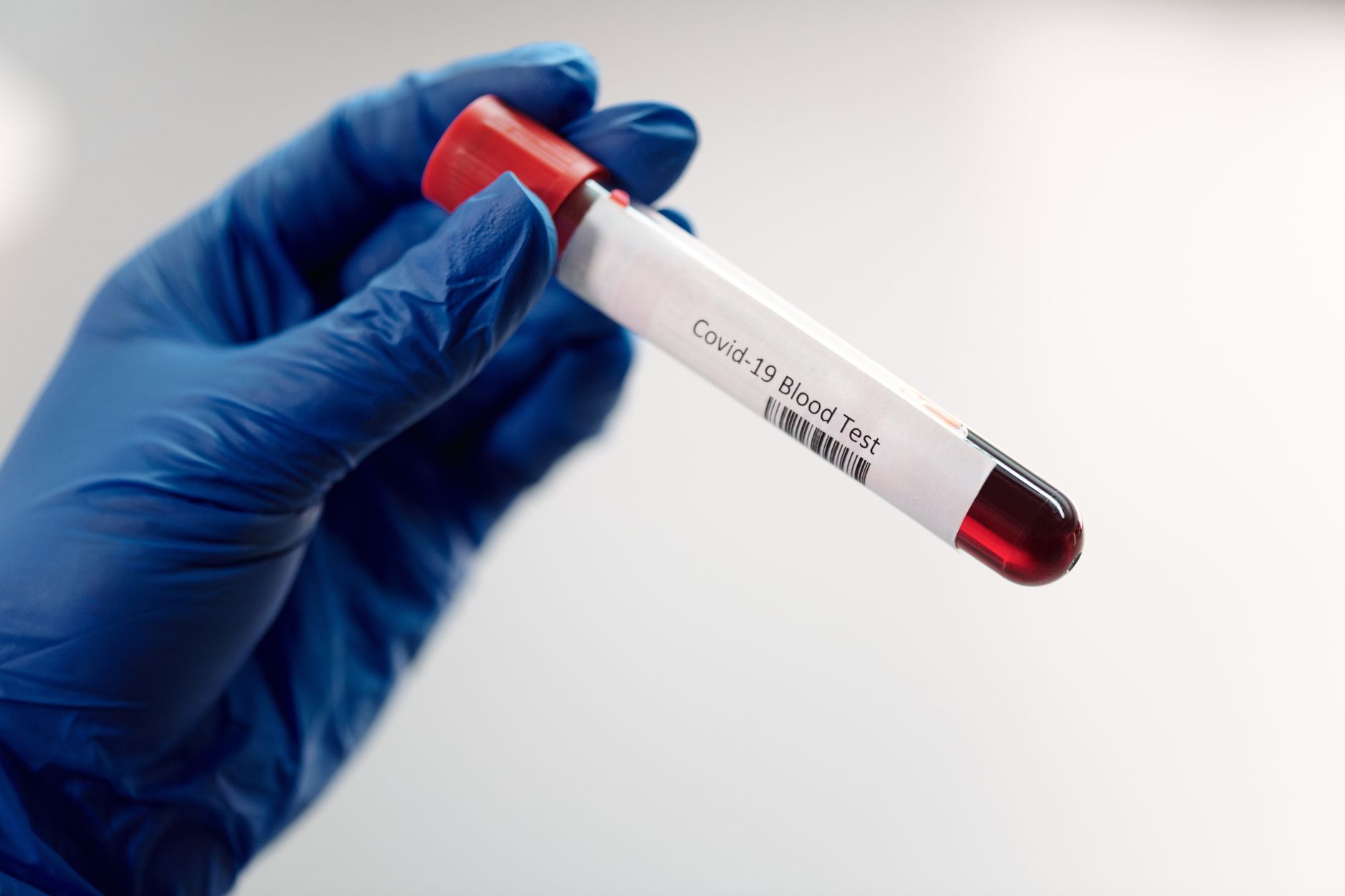
Indian patients now have access to a groundbreaking multi-cancer detection technology as Dr Dangs Lab partners with Guardant Health to introduce advanced blood-based cancer screening. This development marks a significant milestone in India's cancer diagnostics landscape, where early detection remains a critical challenge in improving survival rates.
Understanding Multi-Cancer Detection Technology
Multi-cancer early detection tests represent a new category of screening tools that can identify signals from multiple types of cancer through a single blood sample. Unlike traditional screening methods that target one specific cancer at a time, such as mammograms for breast cancer or colonoscopies for colorectal cancer, these blood tests analyze circulating tumor DNA and other biomarkers that may indicate the presence of various cancers simultaneously.
The technology works by detecting tiny fragments of DNA that tumors shed into the bloodstream. Advanced genomic sequencing analyzes these fragments to identify cancer signals and, in many cases, predict where in the body the cancer is located. This approach can potentially detect cancers that currently lack standard screening methods or catch cancers at earlier, more treatable stages.
The India Cancer Challenge
India faces a mounting cancer burden, with approximately 1.4 million new cancer cases diagnosed annually. The country's cancer mortality rates remain high partly because many cases are detected at advanced stages when treatment options are limited and less effective. Several factors contribute to late-stage diagnosis, including limited awareness, inadequate screening infrastructure, and the invasive nature of some traditional diagnostic procedures.
Traditional cancer screening requires multiple separate tests, each targeting a specific cancer type. Patients often face barriers including the need for multiple appointments, invasive procedures, long wait times, and significant costs. These challenges are particularly acute in tier-2 and tier-3 cities where specialized diagnostic facilities may be scarce.
How Blood-Based Screening Changes the Game
Blood-based multi-cancer detection offers several advantages that could improve screening rates in India:
- Convenience of a simple blood draw versus invasive procedures
- Single test screens for multiple cancer types simultaneously
- Can be performed at standard diagnostic facilities
- Less intimidating for patients hesitant about traditional screening
- Potential for integration into routine health check-ups
- May detect cancers currently lacking standard screening protocols
The introduction of this technology through established diagnostic chains like Dr Dangs Lab could improve accessibility. Dr Dangs Lab operates multiple collection centers across India, potentially allowing patients in various cities to access this advanced screening without traveling to specialized cancer centers.
Clinical Applications and Limitations
Multi-cancer detection tests are typically recommended for adults at average or elevated risk of cancer, often those over 50 years of age. The tests work best as complementary screening tools alongside standard recommended screenings rather than replacements. For instance, women should continue regular mammograms, and individuals should still undergo recommended colonoscopies.
It is important to understand that these tests have limitations. A positive result requires follow-up diagnostic imaging or procedures to confirm cancer presence and determine treatment. False positives can occur, potentially leading to unnecessary anxiety and additional testing. Conversely, false negatives are possible, meaning the test might not detect all cancers present.
The tests perform better at detecting certain cancer types than others and are generally more effective at identifying later-stage cancers than very early-stage disease. They should not replace symptoms-based medical consultation—anyone experiencing potential cancer warning signs should seek immediate medical evaluation regardless of screening test results.
Cost and Accessibility Considerations
The cost of multi-cancer detection tests remains a consideration for widespread adoption in India. These advanced genomic tests typically carry premium pricing compared to conventional screening methods. Insurance coverage policies are still evolving, and many patients may need to pay out-of-pocket.
However, the partnership between established diagnostic providers and technology innovators like Guardant Health could eventually lead to economies of scale and improved affordability. As the technology matures and adoption increases, costs may decrease, making these tests accessible to broader population segments.
The Road Ahead
The introduction of blood-based multi-cancer detection in India represents an important step forward in cancer care. As clinical data accumulates and awareness grows, these tests may become integral components of preventive health strategies. The key to maximizing impact lies in educating both healthcare providers and patients about appropriate use, interpreting results correctly, and integrating these tools into comprehensive cancer prevention programs.
This article is for general informational purposes only and does not constitute medical advice. Individuals should consult qualified healthcare professionals to determine appropriate cancer screening strategies based on their personal risk factors, medical history, and current health guidelines.