India's travel and tourism industry has witnessed a remarkable transformation, with domestic tourists emerging as the dominant force behind the sector's growth. Recent findings from the World Travel & Tourism Council reveal that Indian travellers exploring their own country contribute a staggering 86% of all tourism spending, a figure that underscores the changing dynamics of the nation's travel landscape.
This shift represents more than just numbers—it signals a fundamental change in how Indians view leisure, exploration, and the value of discovering destinations within their own borders.
The Rise of the Domestic Tourist
The overwhelming contribution of domestic tourism to India's travel economy reflects several converging trends. Rising middle-class incomes, improved connectivity through roads and railways, and affordable air travel have made tourism accessible to millions of Indians who previously found it financially out of reach.
The pandemic accelerated this trend dramatically. Travel restrictions and health concerns prompted Indians to rediscover local destinations, from hill stations and beaches to heritage sites and pilgrimage centres. What began as necessity evolved into preference for many travellers who found that domestic destinations offered excellent value, cultural richness, and ease of planning.
Where the Money Flows
Domestic tourism spending encompasses a broad spectrum of expenses including accommodation, food and beverage, transportation, entertainment, and shopping. Tier-2 and tier-3 cities have particularly benefited from this boom, as travellers increasingly venture beyond traditional tourist hotspots like Goa, Kerala, and Rajasthan.
Weekend getaways have become especially popular among urban professionals, driving demand for properties within a few hours of major cities. This has spurred development of resorts, homestays, and experiential tourism offerings in previously overlooked regions.
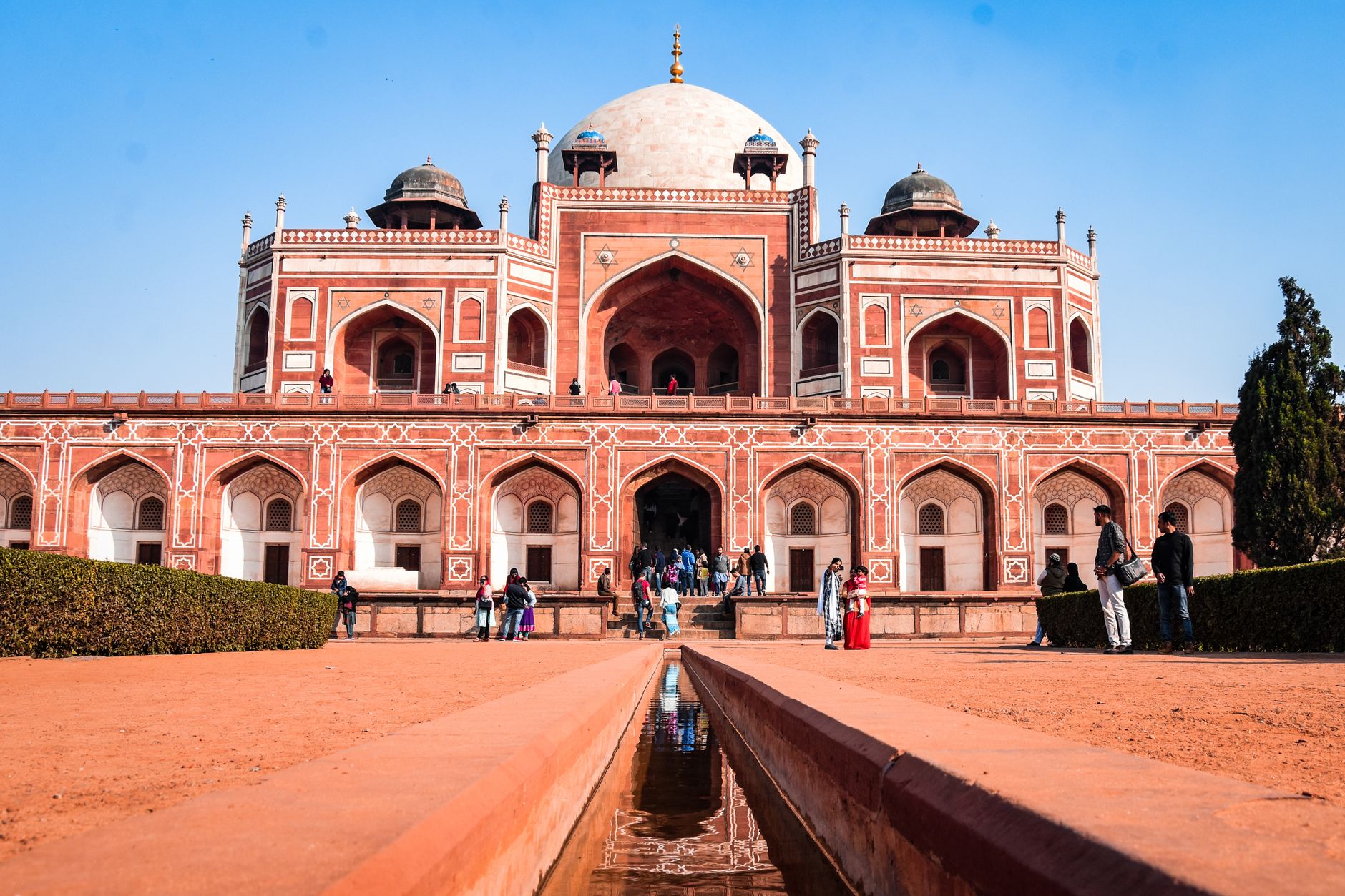
Religious and pilgrimage tourism continues to account for a substantial portion of domestic travel spending, with circuits like the Char Dham, Vaishno Devi, and various temple towns seeing year-round visitor traffic.
Economic Impact Beyond Hotels
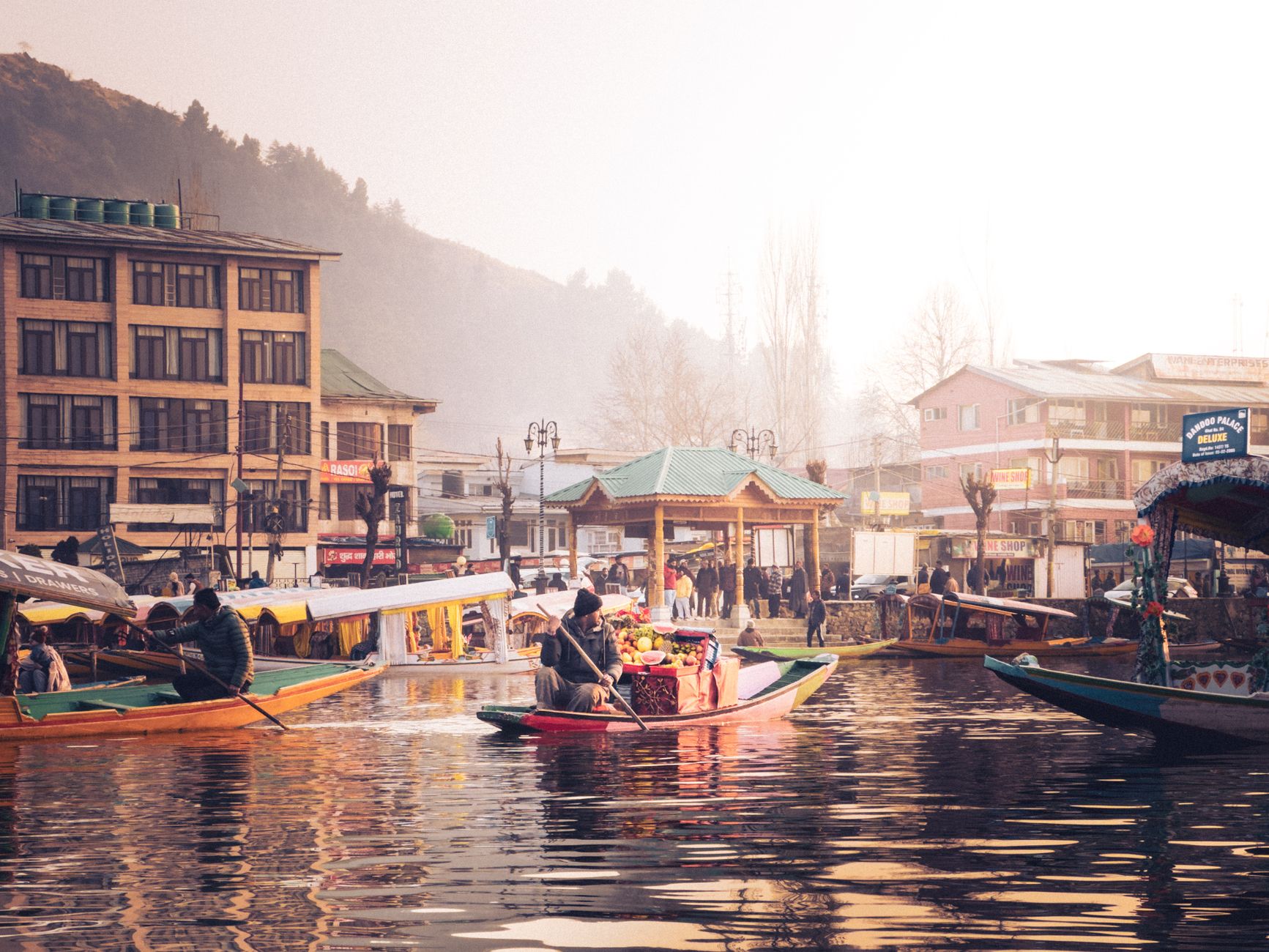
The high domestic tourism share has significant multiplier effects across India's economy. Local artisans, guides, transport operators, and small businesses benefit directly from Indian travellers who often prefer authentic, local experiences over international-style hospitality.
- Employment generation in rural and semi-urban areas
- Preservation and monetisation of cultural heritage
- Infrastructure development in emerging destinations
- Support for cottage industries and handicrafts
- Increased tax revenues for state governments
State governments have taken notice, with many launching aggressive tourism promotion campaigns targeting domestic audiences. Incredible India's regional campaigns, improved tourism infrastructure, and simplified regulations for homestays and small hotels reflect this strategic pivot.
Challenges in Sustaining Growth
Despite the positive outlook, the domestic tourism sector faces infrastructure constraints. Popular destinations struggle with overcrowding during peak seasons, leading to environmental degradation and diminished visitor experiences. Destinations like Shimla, Manali, and Mussoorie frequently make headlines for traffic congestion and waste management issues.
Quality standardisation remains another concern. Unlike international tourism where quality benchmarks are more consistent, domestic tourism offerings vary widely. First-time travellers sometimes encounter service gaps that could discourage repeat visits.
Pricing transparency and tourist safety, particularly for solo women travellers, continue to require attention from industry stakeholders and regulators.
The International Tourism Gap
While domestic tourism dominates spending, international inbound tourism remains crucial for foreign exchange earnings and global brand building. The 14% contribution from international visitors, though smaller in volume, often involves higher per-capita spending and targets luxury segments.
India continues to work on improving its appeal to foreign tourists through e-visa facilitation, infrastructure upgrades at heritage sites, and international marketing campaigns. The goal is growing both segments without compromising either.
Looking Ahead
The dominance of domestic tourism spending positions India uniquely among major tourism markets. As disposable incomes grow and travel becomes increasingly embedded in lifestyle aspirations, this segment is expected to expand further.
Technology will play an enabling role, with digital platforms making destination discovery, booking, and experience sharing easier. Regional language content and payment solutions tailored for Indian travellers will enhance accessibility.
The challenge for policymakers and industry players will be channelling this growth sustainably—ensuring that tourism development preserves the very attractions that draw visitors while distributing economic benefits equitably across communities.
India's domestic tourism story is ultimately about Indians discovering India, and the economic data suggests this journey has only just begun.