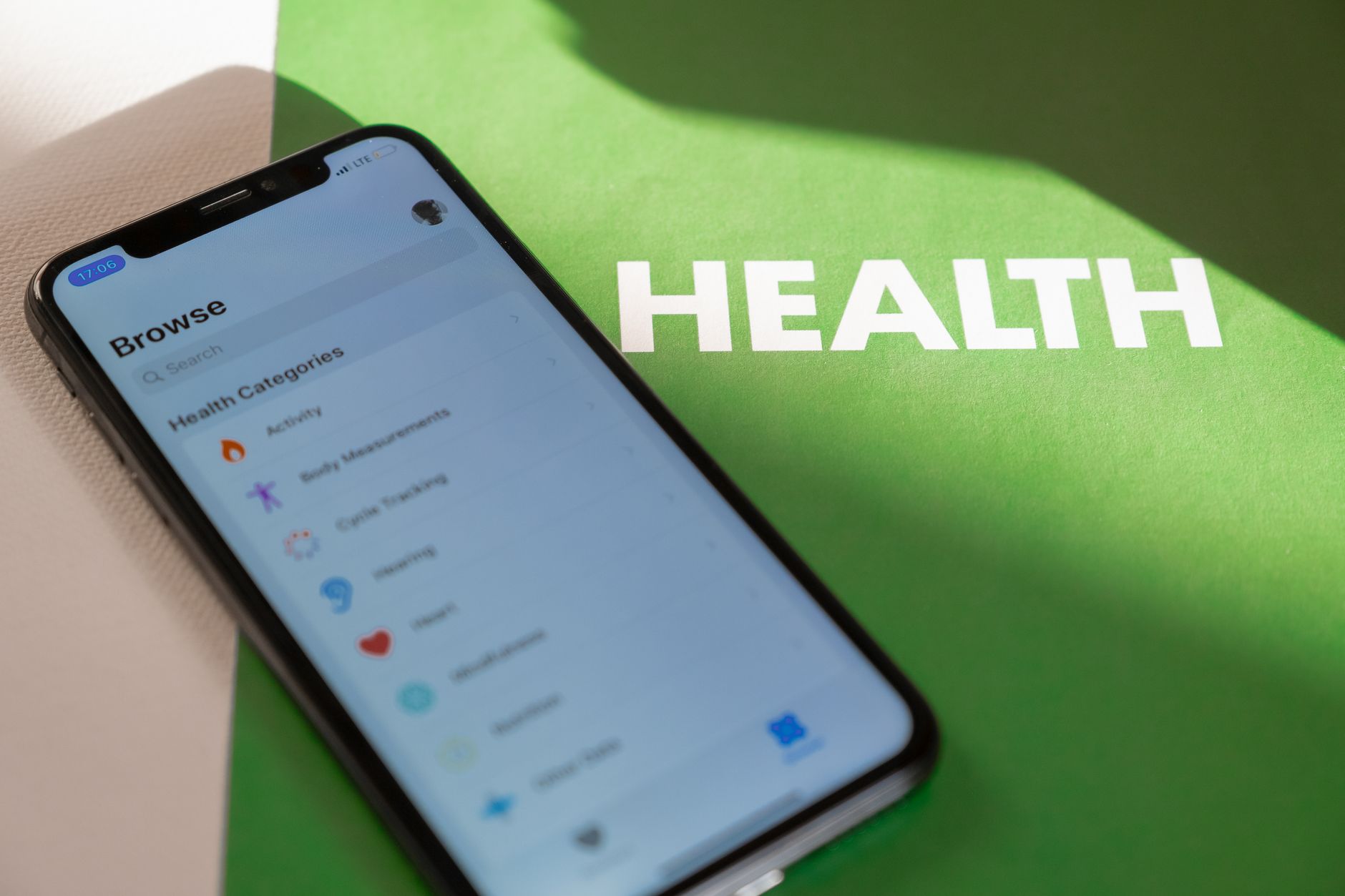
Health and fitness applications have become ubiquitous in our smartphones, promising to help us sleep better, exercise more, eat healthier, and track every conceivable metric of our physical and mental wellbeing. Yet an increasing number of users report feeling more anxious, not less, after adopting these digital wellness tools. This phenomenon, often called the "digital wellness trap," reveals a troubling paradox at the heart of health technology.
The Promise Versus the Reality
Digital health apps entered the mainstream with an appealing proposition: harness technology to optimize your health. Whether counting steps, monitoring heart rate, tracking calories, or logging meditation sessions, these apps claim to empower users with data and insights. The global wellness app market has grown exponentially, with millions downloading applications that promise transformation.
However, the constant monitoring and data collection that makes these apps functional can also create a psychological burden. Users find themselves checking their phones obsessively, worried about meeting daily targets, or feeling guilty when they fall short of arbitrary goals set by algorithms.
How Health Apps Trigger Anxiety
The mechanisms by which wellness apps can increase anxiety are multiple and often subtle:
- Constant notifications and reminders create pressure to perform, transforming health from a natural part of life into another set of obligations
- Gamification features like streaks and badges can make missing a single day feel like failure
- Social comparison features allow users to see how others are performing, triggering competitive stress
- Data overload presents so much information that users feel overwhelmed rather than informed
- Perfectionism is encouraged through precise metrics that suggest health is about hitting exact numbers rather than overall wellbeing
The Quantified Self Movement Gone Wrong
The "quantified self" philosophy suggests that measuring everything about ourselves leads to improvement. While this works for some people, for many it creates an unhealthy relationship with their own bodies and minds. Sleep tracking provides a clear example: users who obsessively check their sleep scores often develop orthosomnia, a condition where anxiety about sleep quality actually worsens sleep.
Similarly, step counting can transform pleasant walks into stressful obligations. Heart rate monitoring may cause health anxiety as users fixate on normal fluctuations. Calorie tracking apps have been linked to disordered eating patterns in vulnerable individuals.
The Illusion of Control
Part of what makes health apps appealing is the sense of control they provide. In an uncertain world, the ability to track and measure feels reassuring. However, this control is largely illusory. Health is influenced by countless factors beyond what any app can measure or influence, including genetics, environmental conditions, social circumstances, and random chance.
When users believe the app gives them complete control, they may blame themselves excessively when metrics don't improve, despite their best efforts. This self-blame can spiral into anxiety and decreased self-esteem.
Who Is Most Vulnerable
Research suggests certain groups are more susceptible to health app-induced anxiety:
- Individuals with existing anxiety disorders or obsessive-compulsive tendencies
- People with histories of eating disorders
- Those with perfectionistic personality traits
- Younger users who may lack the critical thinking skills to question app recommendations
- Individuals already experiencing health concerns who become hypervigilant about symptoms
Finding Balance in Digital Wellness
This doesn't mean health apps are inherently harmful or should be abandoned entirely. The key is mindful, balanced use:
- Set boundaries around checking apps, perhaps limiting reviews to once daily
- Turn off non-essential notifications
- Remember that metrics are guides, not grades
- Focus on trends over time rather than daily fluctuations
- Take periodic breaks from tracking
- Choose apps without social comparison features if you find them stressful
- Listen to your body's signals rather than relying solely on data
The Way Forward
App developers have a responsibility to design products that promote genuine wellbeing rather than compulsive engagement. Features that encourage rest days, celebrate consistency over perfection, and provide context for data rather than just raw numbers can help.
Users, meanwhile, should regularly assess whether their health apps are genuinely improving their quality of life or simply adding another source of stress. The ultimate irony of the digital wellness trap is that sometimes the healthiest choice is to delete the health app and simply live.
This article is for general information purposes only and is not a substitute for professional medical or mental health advice. If you are experiencing anxiety or other mental health concerns, please consult with a qualified healthcare provider.