India is experiencing a significant shift in its disease landscape, with dengue cases surging during the monsoon season while traditional vector-borne diseases like malaria and kala-azar show declining trends. Simultaneously, the country faces an increasing burden of non-communicable diseases (NCDs), creating what health experts call a "double disease burden" that strains healthcare resources and demands innovative policy responses.
The Dengue Surge During Monsoon
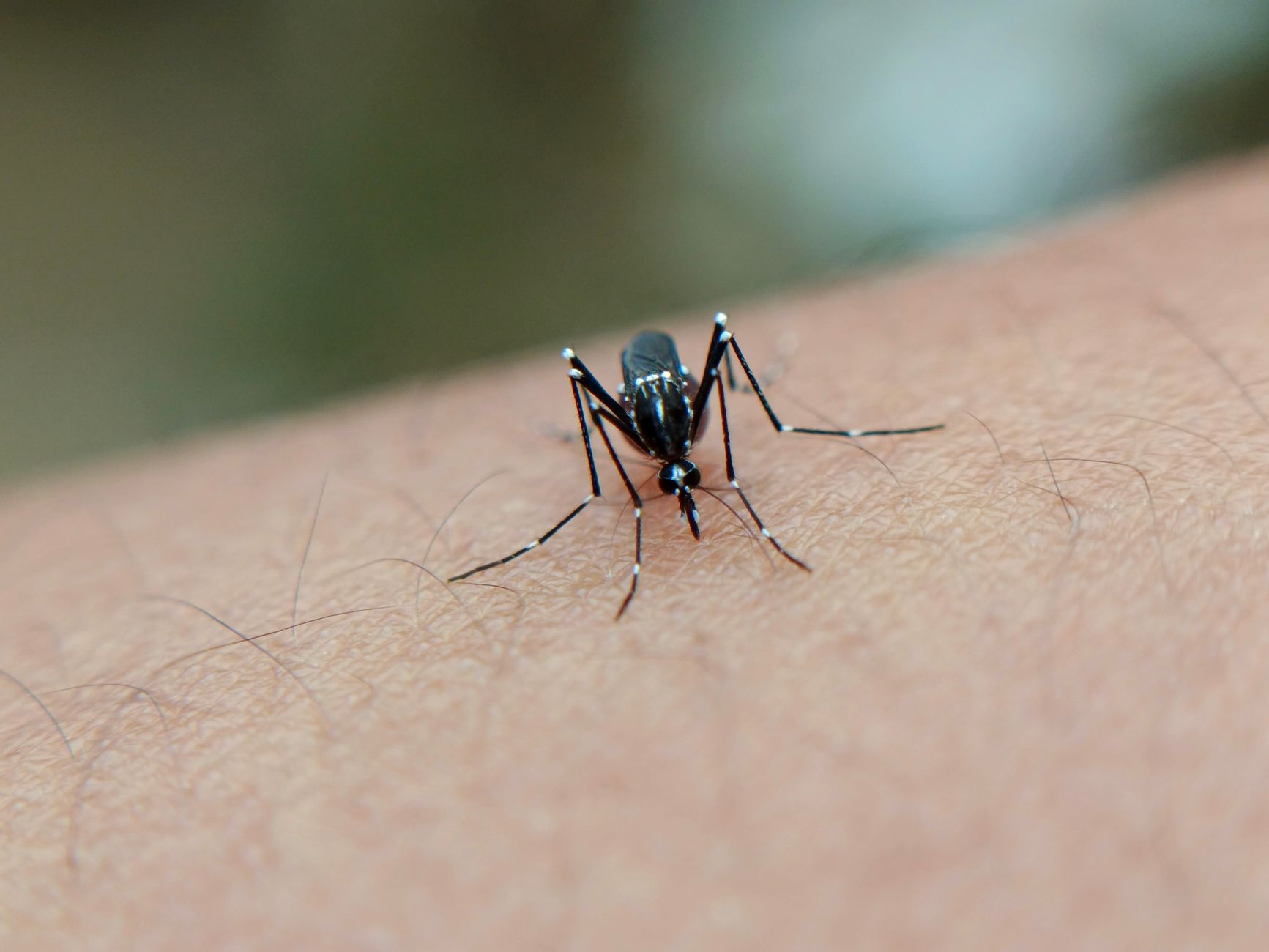
The monsoon season, typically lasting from June to September across most of India, creates ideal breeding conditions for the Aedes aegypti mosquito, the primary vector for dengue fever. Stagnant water in containers, coolers, discarded tires, and construction sites becomes breeding grounds for these mosquitoes, leading to seasonal spikes in dengue transmission.
Dengue cases have been rising steadily across Indian cities and towns, with urban and semi-urban areas particularly affected. The disease manifests with sudden high fever, severe headache, pain behind the eyes, joint and muscle pain, and in severe cases can progress to dengue hemorrhagic fever or dengue shock syndrome, both potentially fatal conditions.
Several factors contribute to the dengue surge:
- Unplanned urbanization creating more mosquito breeding sites
- Inadequate waste management systems in rapidly growing cities
- Climate change patterns affecting mosquito breeding cycles
- Increased population density in urban areas
- Insufficient public awareness about preventive measures
Declining Trends in Malaria and Kala-Azar
While dengue cases rise, India has made remarkable progress in controlling malaria and kala-azar (visceral leishmaniasis). The country has implemented robust vector control programs, improved diagnostic facilities, and ensured better access to treatment in endemic regions.
Malaria cases have declined substantially due to the widespread distribution of insecticide-treated bed nets, indoor residual spraying programs, and improved access to rapid diagnostic tests and artemisinin-based combination therapies. The National Vector Borne Disease Control Programme has focused efforts on high-burden states, yielding positive results.
Kala-azar, once endemic in Bihar, Jharkhand, Uttar Pradesh, and West Bengal, has seen dramatic reductions following intensive elimination campaigns. Early case detection, complete treatment protocols, and vector management strategies have brought the disease under control in most previously affected districts.
The Rising Burden of Non-Communicable Diseases
Parallel to infectious disease challenges, India faces a rapidly growing burden of non-communicable diseases including diabetes, cardiovascular diseases, cancer, and chronic respiratory conditions. This epidemiological transition reflects changing lifestyles, dietary patterns, reduced physical activity, increased tobacco and alcohol use, and an aging population.
NCDs now account for a majority of deaths in India and create long-term healthcare costs for families and the health system. Unlike acute infectious diseases, NCDs require sustained management, regular medications, lifestyle modifications, and ongoing medical monitoring.
Understanding the Double Disease Burden
The concept of double disease burden refers to the simultaneous prevalence of infectious diseases and non-communicable diseases within a population. For India, this means the healthcare system must address:
- Acute outbreaks of vector-borne diseases during monsoon seasons
- Ongoing treatment and prevention of infectious diseases
- Long-term management of chronic non-communicable diseases
- Limited healthcare infrastructure serving a large population
- Resource allocation between preventive and curative care
This dual challenge is particularly acute in resource-constrained settings where health budgets must cover everything from vector control and epidemic preparedness to screening programs and chronic disease management.
Prevention and Protective Measures
Citizens can take several steps to protect themselves during monsoon season:
- Prevent water accumulation around homes and dispose of containers that collect rainwater
- Use mosquito nets, repellents, and protective clothing
- Ensure proper window screens and door closures
- Seek immediate medical attention for persistent fever
- Maintain healthy lifestyle habits to prevent NCDs
- Regular health check-ups for early detection of chronic conditions
Policy Implications and Healthcare Strengthening
Addressing India's double disease burden requires integrated healthcare policies that strengthen primary health systems, improve disease surveillance, invest in preventive healthcare, and ensure equitable access to both acute and chronic disease care. Community participation, inter-sectoral coordination between health and urban planning departments, and sustained public health messaging remain critical to managing this complex disease landscape.
This article is for general information purposes only and should not replace professional medical advice. Anyone experiencing symptoms of dengue or other health concerns should consult qualified healthcare providers for proper diagnosis and treatment.