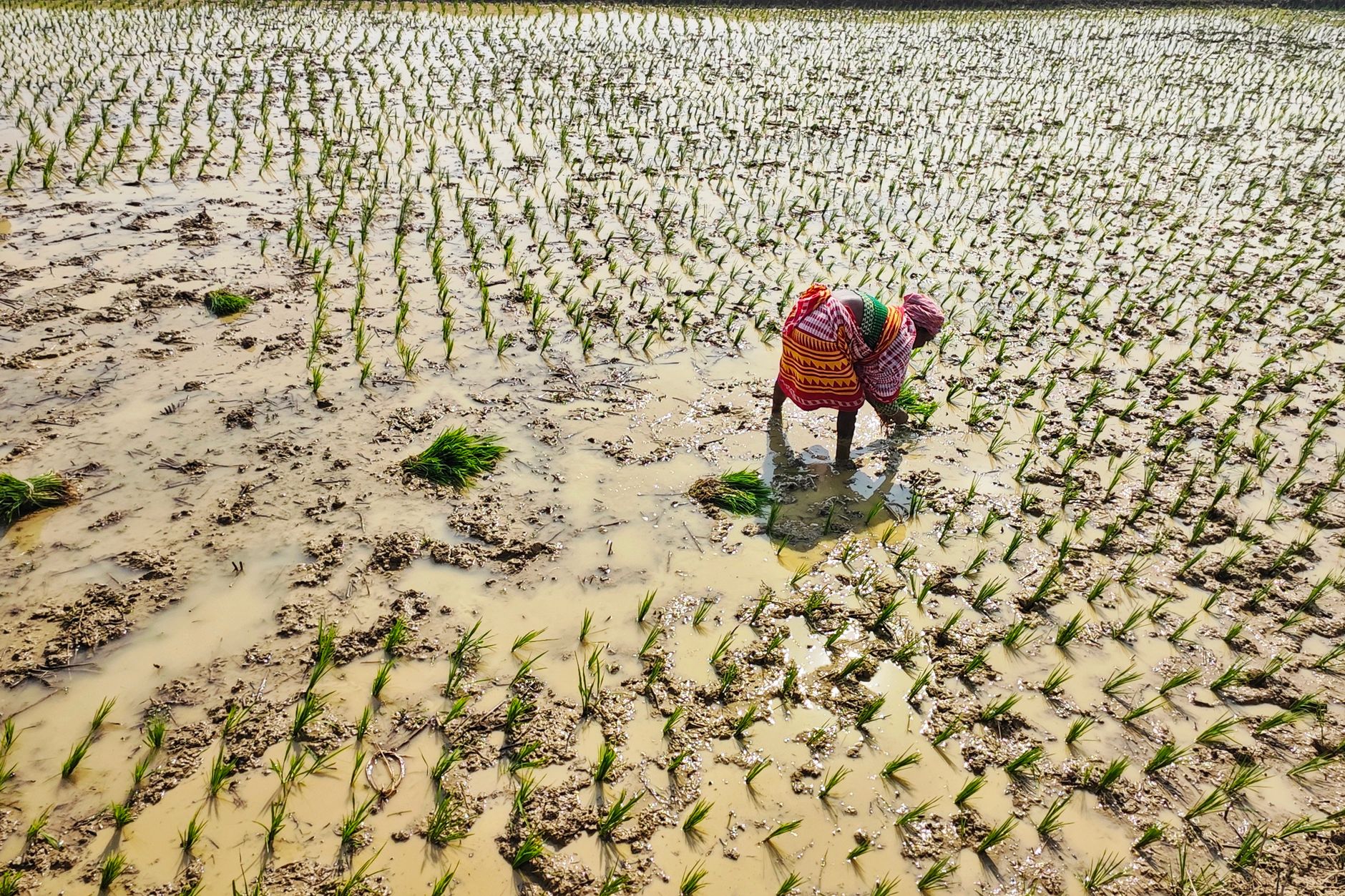
The Indian monsoon has always been a gamble for farmers, but climate change has made it an even riskier bet. Erratic rainfall patterns, delayed onset, and unpredictable dry spells are devastating crops and livelihoods across the country. While better seeds – particularly climate-resilient and hybrid varieties – are being touted as a solution, the question remains whether they can truly address the complex challenges that monsoon dependency creates.
The Promise of Climate-Resilient Seeds
Modern agricultural research has produced seed varieties specifically designed to withstand weather extremes. Drought-tolerant varieties can survive with 20-30 percent less water, while flood-resistant strains can endure waterlogging for extended periods. These seeds often come with shorter maturation cycles, allowing farmers to adjust planting schedules around uncertain monsoon windows.
Hybrid seeds typically offer higher yields and better disease resistance compared to traditional varieties. For farmers facing increasingly unpredictable weather, these characteristics can mean the difference between a profitable harvest and complete crop failure. Several Indian and multinational agricultural companies have invested heavily in developing seeds suited to specific regional climatic conditions.
The Investment Angle
The agricultural seed industry in India represents a significant investment opportunity, valued at several thousand crores and growing annually. Major players include both domestic companies and international corporations that have established strong distribution networks across rural India.
Investors are particularly interested in companies focusing on research and development of climate-adaptive crops. The government's emphasis on agricultural self-sufficiency and farmer welfare has created policy tailwinds for this sector. Additionally, the increasing awareness among farmers about the limitations of traditional farming methods is expanding the addressable market.
However, the sector faces regulatory complexities, particularly around genetically modified crops. While hybrid seeds are widely accepted, GM crop approvals remain contentious, potentially limiting the technological solutions available to farmers.
The Cost Challenge
The primary obstacle to widespread adoption is affordability. Climate-resilient hybrid seeds typically cost three to five times more than traditional varieties. For smallholder farmers operating on tight margins, this upfront investment can be prohibitive, especially when they lack certainty about monsoon performance and resulting yields.
Many farmers also need to purchase fresh hybrid seeds each season, as second-generation seeds often don't maintain the desired characteristics. This creates recurring costs that traditional seed-saving practices avoided. Without adequate credit access or crop insurance, many farmers cannot justify the financial risk.
Beyond Seeds: The Larger Ecosystem
Seeds alone cannot solve the monsoon problem. Their effectiveness depends on several complementary factors:
- Irrigation infrastructure to supplement unpredictable rainfall
- Soil health management to maximize seed potential
- Access to agricultural extension services for proper cultivation techniques
- Crop insurance schemes to mitigate financial risks
- Market linkages to ensure profitable prices for harvests
A farmer investing in expensive seeds without adequate irrigation may still face crop failure during extended dry spells. Similarly, without proper knowledge about optimal planting densities, fertilizer application, and pest management specific to new varieties, farmers may not realize the full benefits.
The Knowledge Gap
Agricultural extension services in India have weakened over decades, leaving many farmers without reliable guidance. While seed companies provide some support, it's often limited to their immediate customers. Rural farmers, particularly in remote areas, frequently lack information about which seed varieties suit their specific soil types, microclimates, and water availability.
Digital initiatives and farmer producer organizations are attempting to bridge this gap, but penetration remains uneven. Without proper education, farmers may choose inappropriate varieties or fail to follow necessary cultivation practices, leading to disappointing results that discourage future adoption.
A Partial Solution
Better seeds represent an important tool in addressing monsoon unpredictability, but they're not a silver bullet. Their success depends on complementary investments in irrigation, soil health, farmer education, and risk mitigation mechanisms. For investors, companies that offer comprehensive solutions rather than just seeds may present more sustainable opportunities.
The government's role in subsidizing quality seeds, strengthening extension services, and ensuring crop insurance coverage will be crucial in determining how widely these technologies can help farmers navigate climate uncertainty. As monsoon patterns continue to evolve, agricultural innovation must proceed on multiple fronts simultaneously.
This article is for informational purposes only and should not be considered investment advice. Readers should conduct their own research and consult with qualified financial advisors before making investment decisions in agricultural or any other sectors.