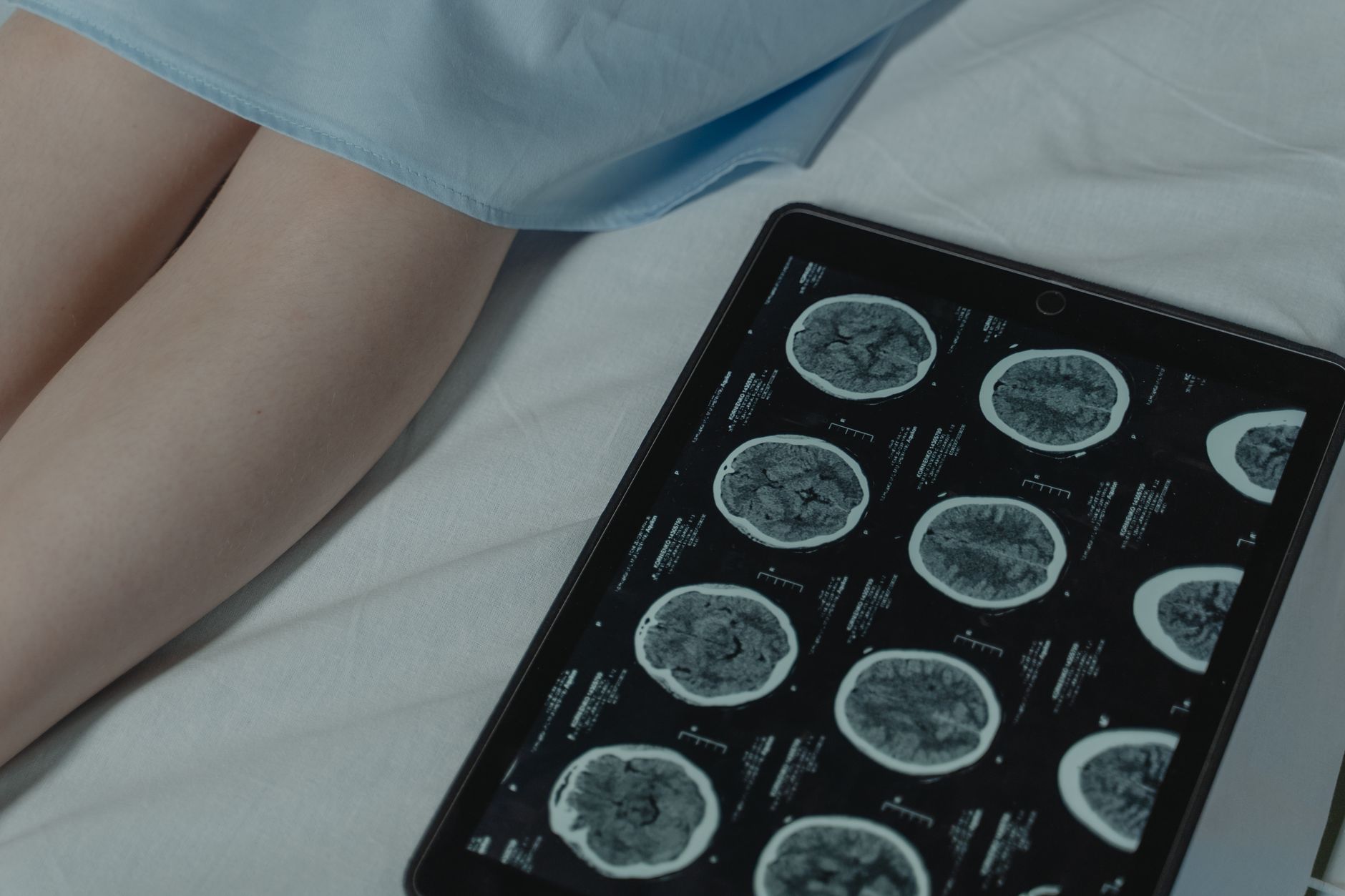
India is experiencing a dual healthcare crisis: a sharp rise in neurological disorders combined with an acute shortage of specialists trained to treat them. With an estimated 30 million people suffering from various brain and nervous system conditions, the country's healthcare infrastructure is struggling to meet the mounting demand for neurological care.
The Growing Burden of Neurological Disorders
Neurological conditions have emerged as one of the leading causes of disability and death in India. Stroke alone affects approximately 1.8 million Indians annually, while epilepsy impacts around 10 million people. The prevalence of dementia, Parkinson's disease, multiple sclerosis, and headache disorders has also increased significantly over the past decade.
Several factors contribute to this rise. India's aging population means more people are susceptible to age-related neurological conditions like Alzheimer's disease and Parkinson's. Lifestyle changes including sedentary habits, poor diet, stress, and inadequate sleep have increased the risk of stroke and migraines among younger populations. Additionally, better diagnostic capabilities mean more cases are being identified that might have gone undetected previously.
Traumatic brain injuries from road accidents remain another major concern, with India having one of the highest rates of traffic-related deaths globally. Environmental factors such as air pollution have also been linked to increased risk of stroke and cognitive decline.
The Specialist Shortage Crisis
Despite the growing need, India has approximately 2,500 to 3,000 practicing neurologists for a population exceeding 1.4 billion people. This translates to roughly one neurologist per 100,000 people, compared to the global recommendation of at least 4-5 neurologists per 100,000 population. Advanced economies like the United States have approximately 5-6 neurologists per 100,000 people.
The distribution of these specialists is heavily skewed toward urban centers. Metropolitan cities like Delhi, Mumbai, Bangalore, and Chennai have relatively better access to neurological care, while rural and semi-urban areas face severe shortages. Patients in smaller towns often must travel hundreds of kilometers to consult a neurologist, leading to delayed diagnosis and treatment.
Why the Gap Exists
Multiple factors contribute to India's neurologist shortage:
- Limited training seats in neurology residency programs across medical colleges
- Brain drain as qualified neurologists migrate abroad for better opportunities and compensation
- Concentration of specialists in private hospitals in major cities rather than government facilities or rural areas
- Long training pathway requiring extensive education and specialization, deterring some medical graduates
- Inadequate infrastructure and resources in tier-2 and tier-3 cities to support neurology practices
Consequences for Patients
The specialist shortage has serious implications for patient care. Stroke patients, who require immediate intervention within the "golden hour," often cannot access timely treatment, leading to permanent disability or death. Epilepsy patients may go years without proper diagnosis and medication. Individuals with progressive conditions like Parkinson's disease or dementia miss out on early interventions that could slow disease progression and improve quality of life.
Long waiting periods to see a neurologist, sometimes extending to several months, mean conditions worsen before treatment begins. Overworked specialists have limited time for each patient, potentially affecting the quality of consultation and care planning.
Potential Solutions
Addressing this crisis requires a multi-pronged approach:
- Expanding neurology training programs and increasing residency seats in medical colleges
- Incentivizing neurologists to practice in underserved areas through better compensation and infrastructure
- Leveraging telemedicine to extend specialist consultations to remote areas
- Training general physicians and primary care doctors to identify and manage common neurological conditions
- Increasing public awareness about neurological symptoms to encourage early consultation
- Strengthening emergency neurology services and stroke care units across district hospitals
- Encouraging public-private partnerships to improve access to neurological care
The Role of Technology and Primary Care
Telemedicine platforms have shown promise in bridging the gap, allowing neurologists to consult patients remotely. Mobile health units equipped with basic diagnostic tools can bring preliminary screening to rural areas. Artificial intelligence-assisted diagnostic tools are also being developed to help general physicians identify neurological conditions earlier.
Strengthening primary healthcare by training non-specialist doctors to recognize neurological red flags and manage stable patients with chronic conditions can reduce the burden on neurologists, allowing them to focus on complex cases requiring specialized intervention.
The shortage of neurologists in India represents a significant public health challenge that requires urgent attention from policymakers, medical institutions, and healthcare providers. Without substantial interventions, the gap between the growing burden of brain disorders and available specialist care will continue to widen, affecting millions of Indians.
This article is for general informational purposes only and should not be considered medical advice. If you or someone you know is experiencing neurological symptoms, please consult a qualified healthcare professional for proper diagnosis and treatment.