Assam has reached an unprecedented tourism milestone that signals a dramatic shift in India's travel landscape. The northeastern state has welcomed six crore visitors, establishing itself as a major destination and opening doors for the entire Northeast region to emerge from decades of being overlooked by mainstream tourism.
This remarkable achievement represents more than just numbers. It reflects changing perceptions, improved connectivity, and a growing appetite among Indian and international travellers for authentic, off-the-beaten-path experiences that the Northeast has always offered but rarely received credit for.
What's Driving Assam's Tourism Revolution
Several factors have converged to create this tourism triumph. Infrastructure development has been paramount, with new airports, improved road connectivity, and better rail links making the region far more accessible than ever before. The completion of key highway projects and expansion of air services to smaller cities has reduced travel time significantly.
Government initiatives promoting Northeast tourism have played a crucial role. Dedicated marketing campaigns showcasing the region's unique offerings—from wildlife sanctuaries to tea estates, from river cruises to indigenous cultures—have captured imaginations nationwide. Digital promotion through social media has been particularly effective in reaching younger demographics.
The rise of experiential and adventure tourism has naturally favoured Assam. Today's travellers seek authentic cultural encounters and natural beauty over cookie-cutter beach resorts, and Assam delivers both in abundance.
Assam's Diverse Tourism Portfolio
Assam's appeal spans multiple tourism segments, making it versatile enough to attract varied traveller profiles.
Wildlife and Nature Tourism
Kaziranga National Park, home to the world's largest population of one-horned rhinoceros, remains a crown jewel. The park's success in conservation has made it a must-visit for wildlife enthusiasts globally. Manas National Park, a UNESCO World Heritage Site, offers similar biodiversity with fewer crowds.
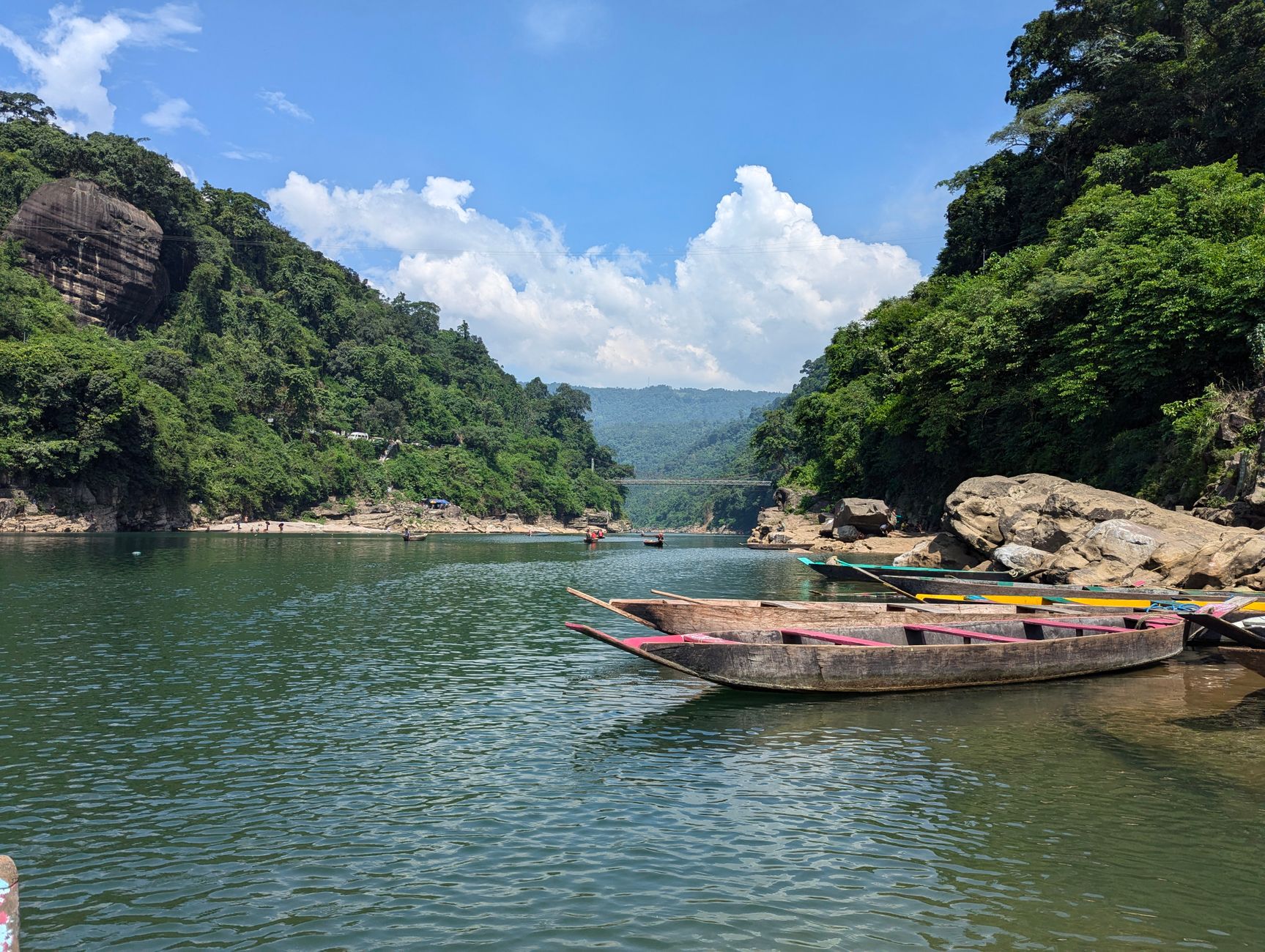
The Brahmaputra River provides opportunities for river cruising, an increasingly popular luxury tourism segment. These cruises combine scenic beauty with cultural immersion, stopping at riverside villages and historical sites.
Cultural and Heritage Tourism
Assam's rich Ahom heritage, represented by monuments like the Rang Ghar and Talatal Ghar, offers historical depth. The Kamakhya Temple draws millions of pilgrims, blending spiritual tourism with cultural exploration. The state's diverse indigenous communities offer authentic cultural experiences that appeal to anthropologically-minded travellers.
Tea Tourism
Assam's legendary tea estates have evolved into tourism attractions themselves. Plantation stays allow visitors to experience colonial-era bungalows, learn about tea production, and enjoy the serene beauty of endless tea gardens. This agro-tourism segment has proven particularly popular with international visitors.
Adventure Tourism Opportunities
The six crore visitor milestone coincides with growing interest in adventure travel. Assam's geography supports multiple adventure activities—river rafting in the Brahmaputra's tributaries, trekking in the hill districts, angling in pristine rivers, and wildlife photography in dense forests.
The state is positioning itself as an adventure hub, developing infrastructure for paragliding, mountain biking, and eco-trekking. These activities attract younger travellers and generate longer stays, increasing economic impact per visitor.
Ripple Effects Across Northeast India
Assam's success creates opportunities for neighbouring states. As the gateway to the Northeast, Assam's improved accessibility benefits Meghalaya, Arunachal Pradesh, Nagaland, and other states. Multi-state tourism circuits are becoming increasingly popular, with travellers using Assam as a base for exploring the region.
This regional approach to tourism development can distribute economic benefits more evenly while offering travellers richer, more diverse experiences.
Challenges and Sustainability Concerns
Rapid tourism growth brings challenges. Infrastructure in some areas struggles to accommodate increasing visitor numbers. Environmental concerns arise around sensitive ecosystems like Kaziranga, where tourism must be carefully managed to avoid disturbing wildlife.
Sustainable tourism practices become essential. Balancing economic benefits with environmental protection and cultural preservation requires thoughtful planning and enforcement. Community involvement in tourism development ensures that local populations benefit directly rather than being displaced by tourism infrastructure.
The Road Ahead
Assam's six crore visitor achievement sets a foundation for sustainable growth. The focus must shift from quantity to quality—ensuring visitor experiences remain authentic while economic benefits reach local communities. Investment in hospitality training, waste management, and conservation will determine whether this tourism boom becomes a lasting transformation or a temporary surge.
For travellers, Assam and the broader Northeast offer what much of India has lost—unspoiled natural beauty, genuine cultural encounters, and the thrill of discovery. As word spreads about these hidden wonders, the region's tourism trajectory appears set for continued upward momentum, potentially reshaping India's tourism map for decades to come.