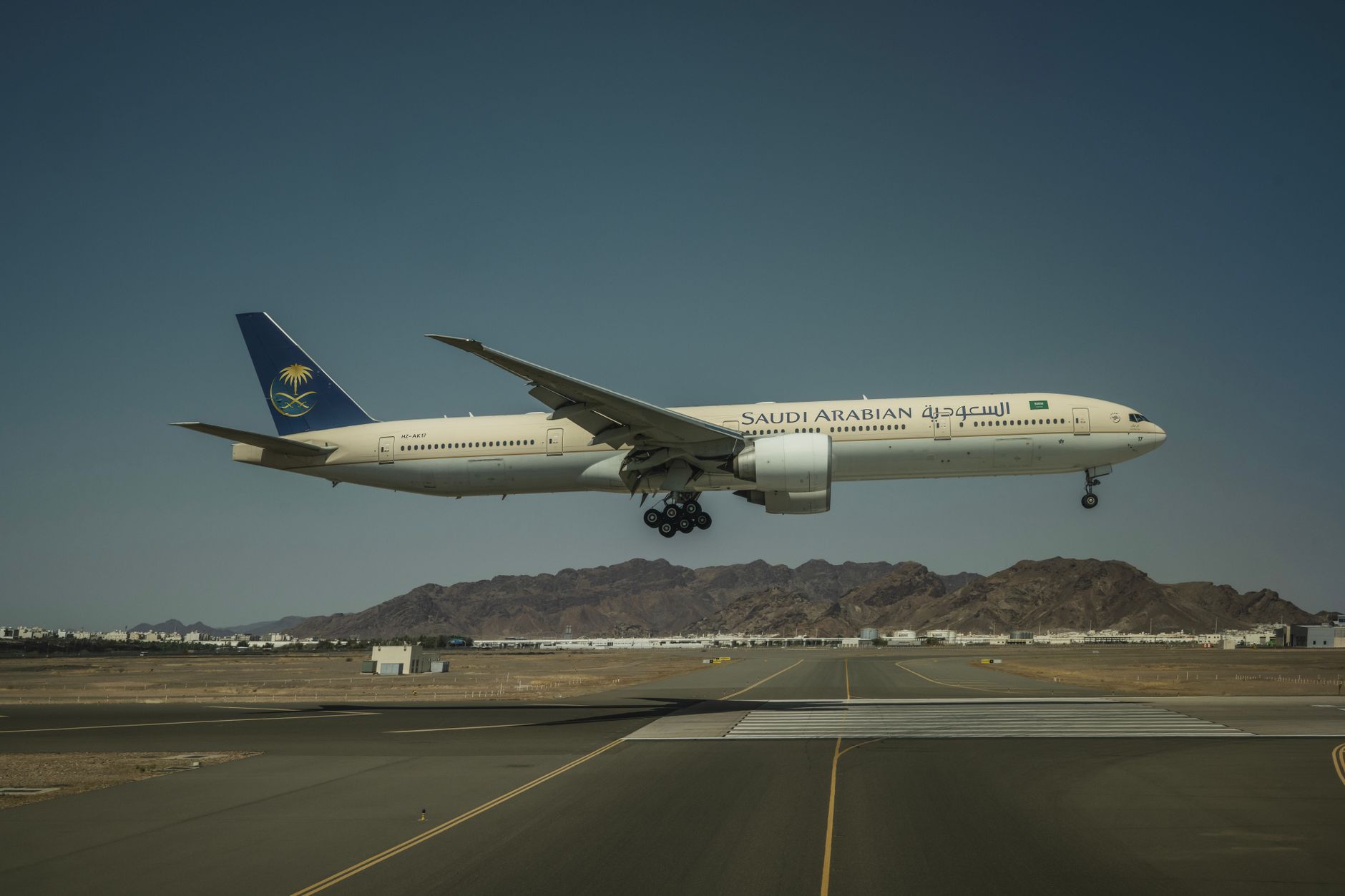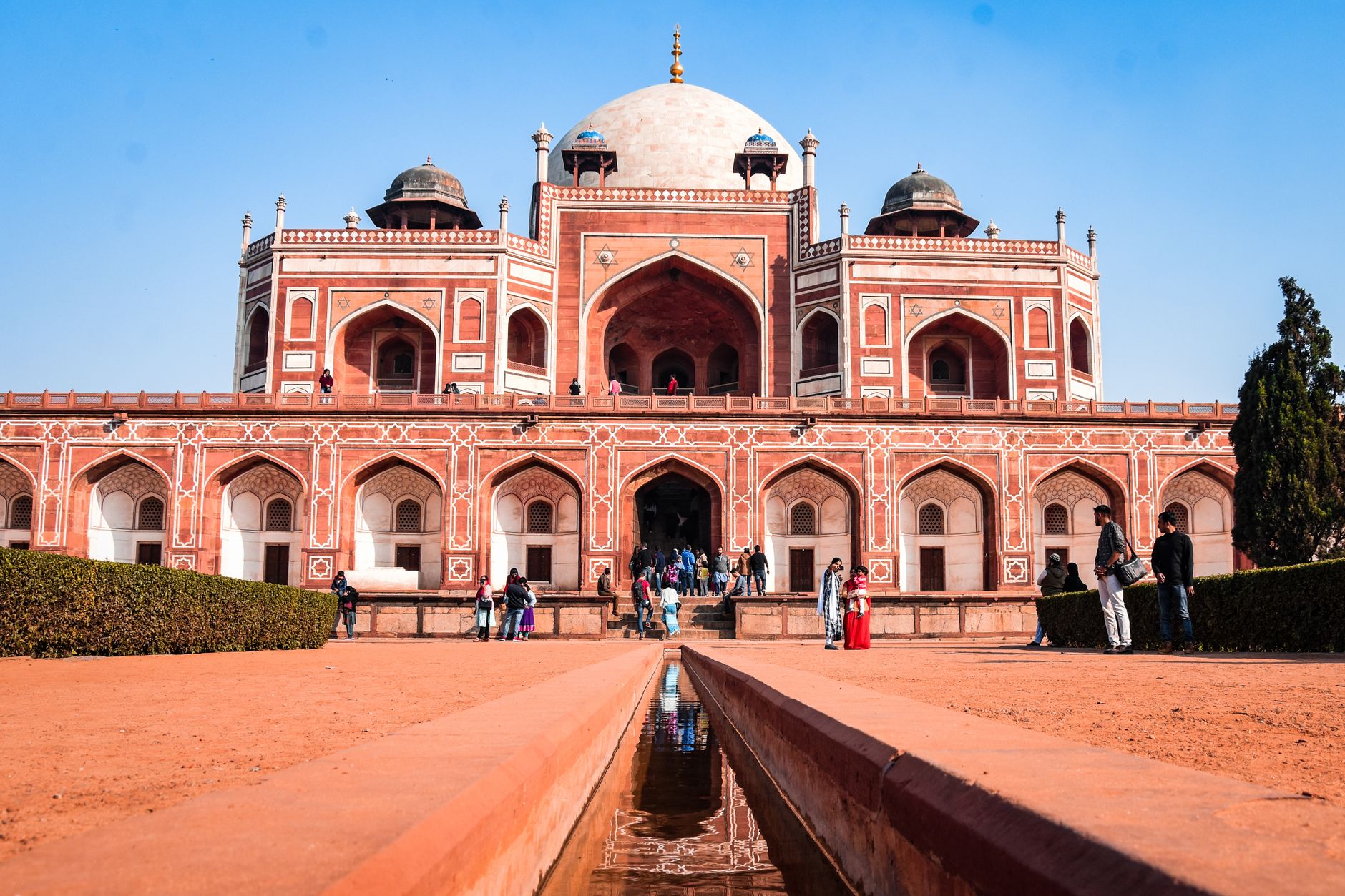
India's national carrier Air India has joined forces with the Ministry of Tourism in a strategic collaboration designed to showcase India's diverse attractions to travelers worldwide. This partnership represents a significant step in the government's ongoing efforts to position India as a must-visit destination on the global tourism map.
The Strategic Partnership
The collaboration between Air India and the Ministry of Tourism brings together two crucial elements of India's travel ecosystem: connectivity and promotion. Air India, which has been undergoing a major transformation under the Tata Group, now operates an expanding network of international routes that connect India to major cities across six continents. By partnering with the tourism ministry, the airline can leverage its customer touchpoints to promote Indian destinations more effectively.
This partnership is expected to include joint marketing campaigns, promotional activities at international events, and coordinated efforts to highlight India's cultural heritage, natural beauty, and modern infrastructure to potential visitors abroad.
Why This Partnership Matters
India has been steadily climbing the ranks as a global tourism destination, but it still captures a relatively small share of international tourist arrivals compared to other Asian countries. In 2019, before the pandemic, India received approximately 10.9 million foreign tourists, while countries like Thailand and Malaysia attracted far more despite having smaller populations and geographic footprints.
The Air India-Tourism Ministry partnership addresses several key challenges:
- Improving brand perception of India as a clean, safe, and accessible destination
- Showcasing lesser-known destinations beyond the traditional Golden Triangle
- Positioning India for high-value tourism segments including wellness, adventure, and luxury travel
- Coordinating messaging across multiple international markets
Air India's Expanding Global Footprint
Air India's role in this partnership is particularly timely given the airline's recent fleet expansion and route additions. The Tata Group, which acquired Air India in 2022, has ordered hundreds of new aircraft and announced plans to significantly expand both domestic and international operations.
The airline's extensive network, which includes direct flights to North America, Europe, the Middle East, and Asia-Pacific, provides natural platforms for destination marketing. From in-flight entertainment content showcasing Indian destinations to promotional materials at airport lounges and check-in counters, Air India can reach millions of potential travelers annually.
India's Tourism Potential
India offers an incredibly diverse array of tourism experiences, yet many international travelers remain unaware of the full spectrum of possibilities. The country boasts:
- 40 UNESCO World Heritage Sites including the Taj Mahal, ancient temples, and historic forts
- Diverse landscapes from Himalayan mountains to tropical beaches
- Rich biodiversity with numerous national parks and wildlife sanctuaries
- Ancient wellness traditions including yoga and Ayurveda
- Vibrant festivals, varied cuisines, and distinct regional cultures
The partnership aims to move beyond stereotypical imagery and present a more contemporary, multifaceted view of India that appeals to different traveler segments.
Competition in Regional Tourism
The collaboration also positions India to compete more effectively with neighboring countries that have been more successful in tourism marketing. Countries like Thailand, Singapore, and Malaysia have long invested heavily in tourism promotion and infrastructure, creating strong destination brands.
China, before implementing travel restrictions, had also made significant strides in attracting international visitors through coordinated government-industry efforts similar to what India is now attempting.
Infrastructure and Challenges
While promotion is important, the partnership's success will ultimately depend on continued improvements in tourism infrastructure. India has made progress in areas like visa facilitation with e-visa programs for many nationalities, but challenges remain in hospitality standards, cleanliness, tourist safety, and last-mile connectivity to attractions.
The government has been working on these issues through initiatives like Swachh Bharat, heritage site development, and transportation infrastructure investments. The Air India partnership adds the promotional muscle needed to convert infrastructure improvements into actual visitor arrivals.
Looking Ahead
This collaboration between Air India and the Ministry of Tourism signals a more coordinated approach to destination marketing, similar to models used successfully by other countries. As India continues developing its tourism sector, such public-private partnerships will be crucial in achieving the government's ambitious targets for tourist arrivals and tourism revenue in the coming years.
The partnership's effectiveness will be measured not just in visitor numbers but in India's ability to attract high-spending tourists who stay longer and explore beyond the most famous monuments.