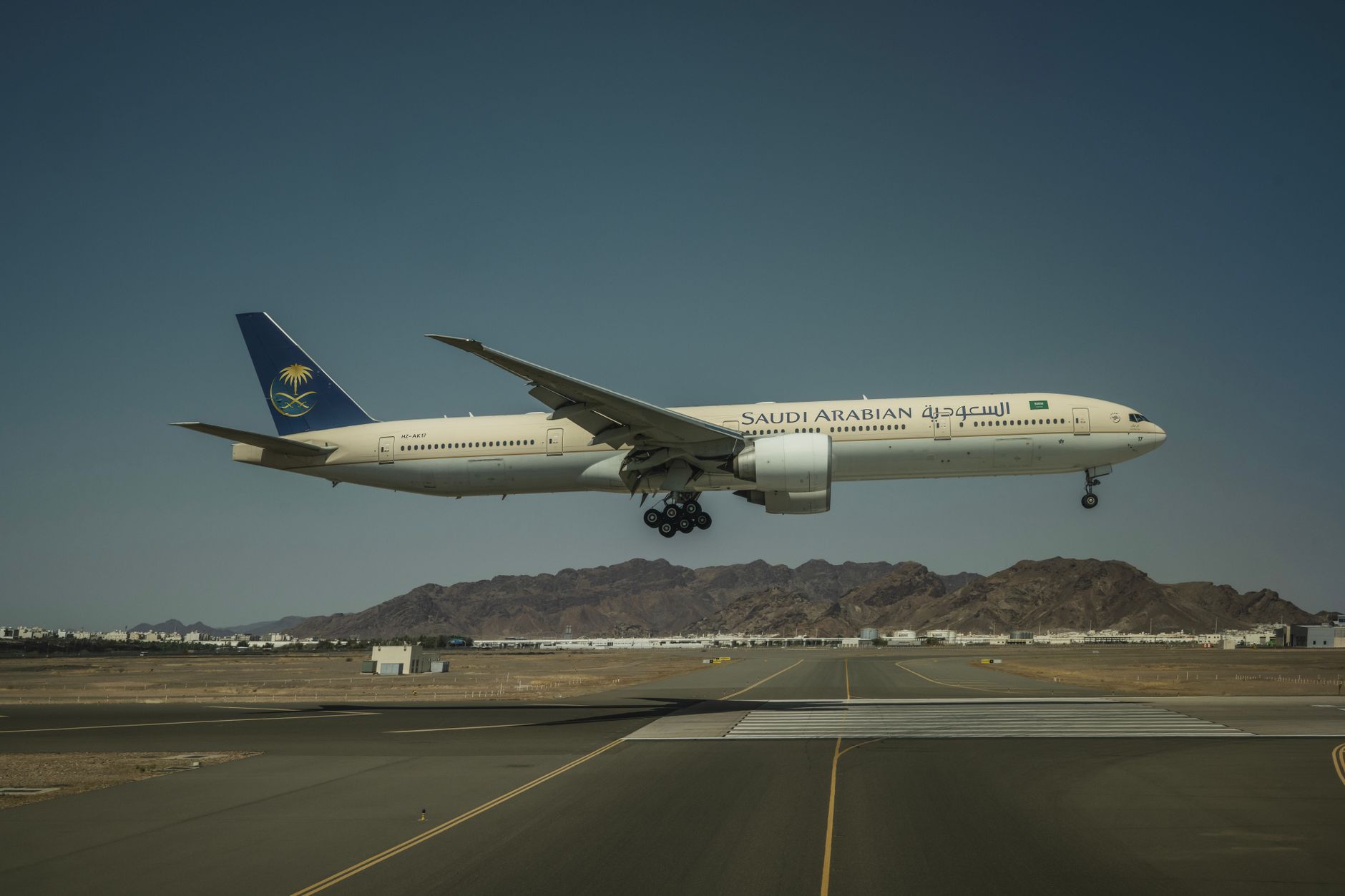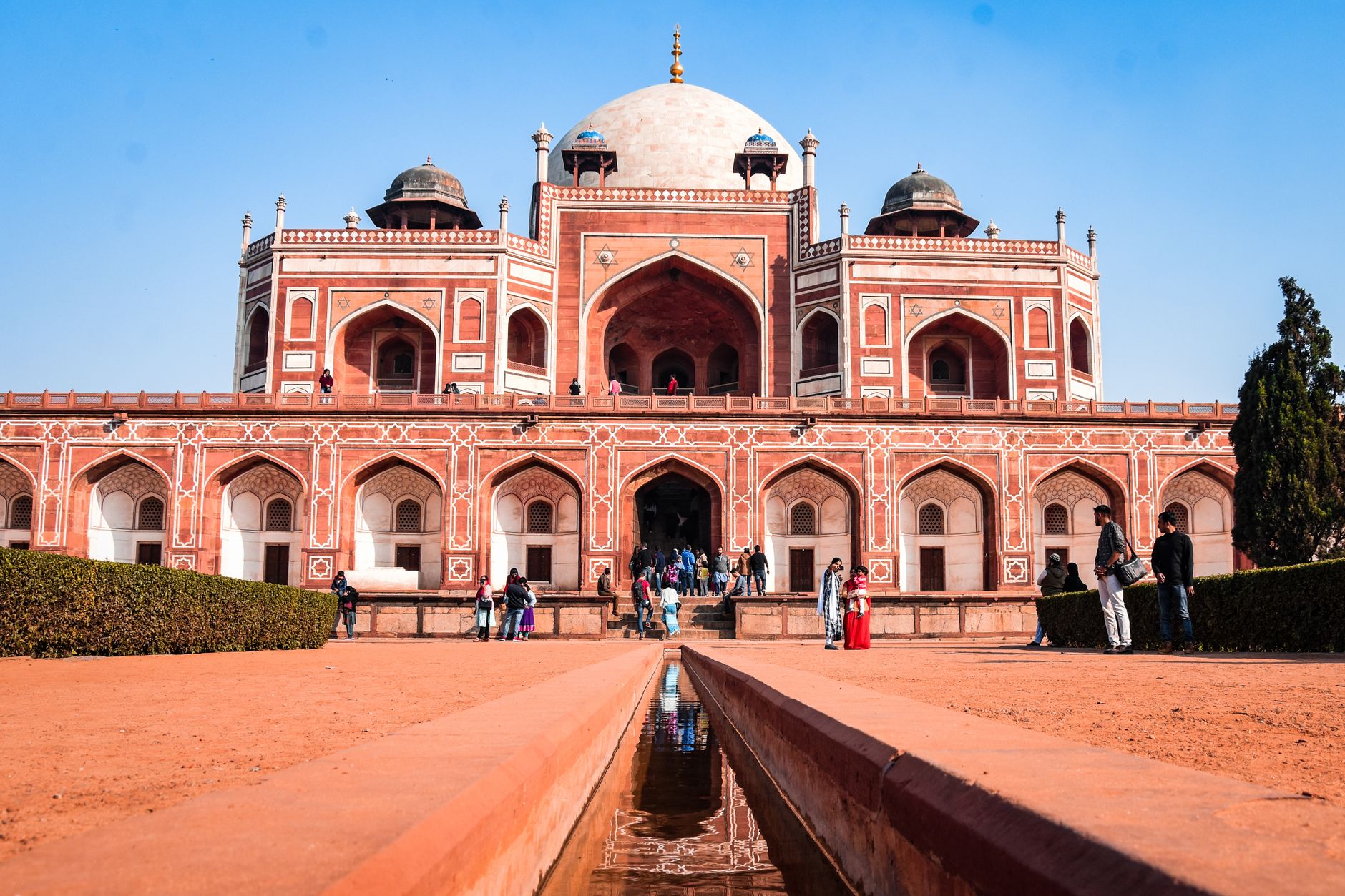
Air India's collaboration with the Ministry of Tourism marks a significant step in India's efforts to strengthen its position as a global tourism destination. This partnership comes at a crucial time when international travel is rebounding and countries worldwide are competing to attract tourists seeking authentic cultural experiences and diverse travel opportunities.
Understanding the Partnership
The alliance between Air India, the nation's flagship carrier, and the Tourism Ministry represents a coordinated approach to marketing India internationally. Such partnerships typically involve joint promotional campaigns, participation in global travel fairs, and collaborative efforts to showcase India's tourism offerings to international markets. By combining Air India's global network with the Tourism Ministry's promotional expertise, the partnership creates a powerful platform for reaching potential visitors across multiple continents.
This collaboration allows for streamlined messaging that highlights both the ease of reaching India and the diverse experiences awaiting travellers. From the snow-capped Himalayas to tropical beaches, from ancient heritage sites to modern metropolitan centres, India offers an extraordinary range of attractions that can now be promoted through coordinated channels.
Benefits for International Travellers
International visitors stand to gain considerably from this partnership. Joint initiatives often result in special fare packages, promotional offers linking flight bookings with tourism services, and improved information dissemination about India's attractions. Air India's expanding route network, combined with targeted tourism messaging, makes trip planning more accessible for first-time visitors who might otherwise find the prospect of travelling to India overwhelming.
The partnership may also lead to enhanced services at airports, better connectivity to tourist circuits, and improved coordination between aviation and ground tourism infrastructure. These improvements address common pain points that international travellers have historically encountered when visiting India.
Strategic Importance for India's Economy
Tourism represents a vital economic sector for India, contributing significantly to GDP and employment. The industry supports millions of jobs across hospitality, transportation, handicrafts, and related services. Inbound tourism is particularly valuable as it brings foreign exchange earnings and helps balance trade dynamics.
Key economic advantages include:
- Direct revenue from accommodation, dining, and entertainment expenditures
- Job creation across multiple skill levels in tourism-dependent regions
- Support for local artisans and small businesses catering to tourists
- Infrastructure development in tourist destinations benefiting local communities
- Increased tax revenues for both central and state governments
Competitive Global Landscape
India competes with numerous Asian destinations for international tourist arrivals. Countries like Thailand, Vietnam, Malaysia, and Indonesia have long established themselves as visitor-friendly destinations with well-developed tourism infrastructure. This partnership helps India present a more unified and professional image in international markets, essential for competing effectively.
The collaboration addresses India's need to convert awareness into actual visitor arrivals. While India enjoys strong brand recognition globally for its culture, history, and natural beauty, converting that interest into bookings requires coordinated marketing efforts and reliable connectivity.
Focus Areas and Target Markets
Such partnerships typically prioritize specific source markets based on growth potential and strategic importance. Traditional markets like the United States, United Kingdom, and Western Europe remain crucial, while emerging markets in Southeast Asia, the Middle East, and Australia present growth opportunities.
The initiative likely emphasizes several tourism segments including heritage tourism, wellness and yoga tourism, adventure tourism, and MICE (Meetings, Incentives, Conferences, and Exhibitions) travel. India's diverse offerings allow for targeted campaigns appealing to different traveller demographics and interests.
Infrastructure and Service Improvements
Beyond marketing, meaningful growth in inbound tourism requires continuous improvements in visitor experience. This includes streamlining visa processes, enhancing airport facilities, improving last-mile connectivity to tourist sites, and maintaining cleanliness and safety standards at destinations.
Air India's own transformation, including fleet modernization and service enhancements, plays a crucial role in shaping first impressions of international visitors. The airline serves as an ambassador for the country, and improvements in its product directly impact tourism perceptions.
Future Outlook
The partnership signals India's ambition to substantially increase international visitor numbers in coming years. Success will depend on sustained collaboration, adequate resource allocation, and continuous adaptation to changing traveller preferences and global travel trends. Digital marketing, social media engagement, and influencer partnerships will likely feature prominently in promotional strategies.
As global travel patterns evolve post-pandemic, with travellers seeking meaningful experiences and off-the-beaten-path destinations, India possesses inherent advantages that, when properly marketed and supported by reliable connectivity, can drive substantial growth in inbound tourism.