India's healthcare system faces a unique challenge: over 70% of the population lives in rural areas, yet most specialist doctors and advanced medical facilities are concentrated in urban centers. Artificial intelligence is emerging as a powerful solution to bridge this gap, putting sophisticated clinical protocols and diagnostic support into the hands of frontline healthcare workers through their mobile devices.
The Digital Revolution in Clinical Decision-Making
Traditional medical practice relies heavily on physician experience and access to specialist consultation. However, in India's primary health centers and rural clinics, doctors often work in isolation, handling diverse medical conditions with limited resources. AI-powered clinical decision support systems (CDSS) are changing this reality by providing instant access to evidence-based treatment protocols, drug interaction warnings, and diagnostic assistance.
These AI tools act as virtual specialists, analyzing patient symptoms, medical history, and test results to suggest appropriate treatment pathways. When a rural doctor encounters a complex case, the AI system can flag potential complications, recommend necessary investigations, and even indicate when specialist referral is essential.
How Mobile AI Platforms Work in Healthcare
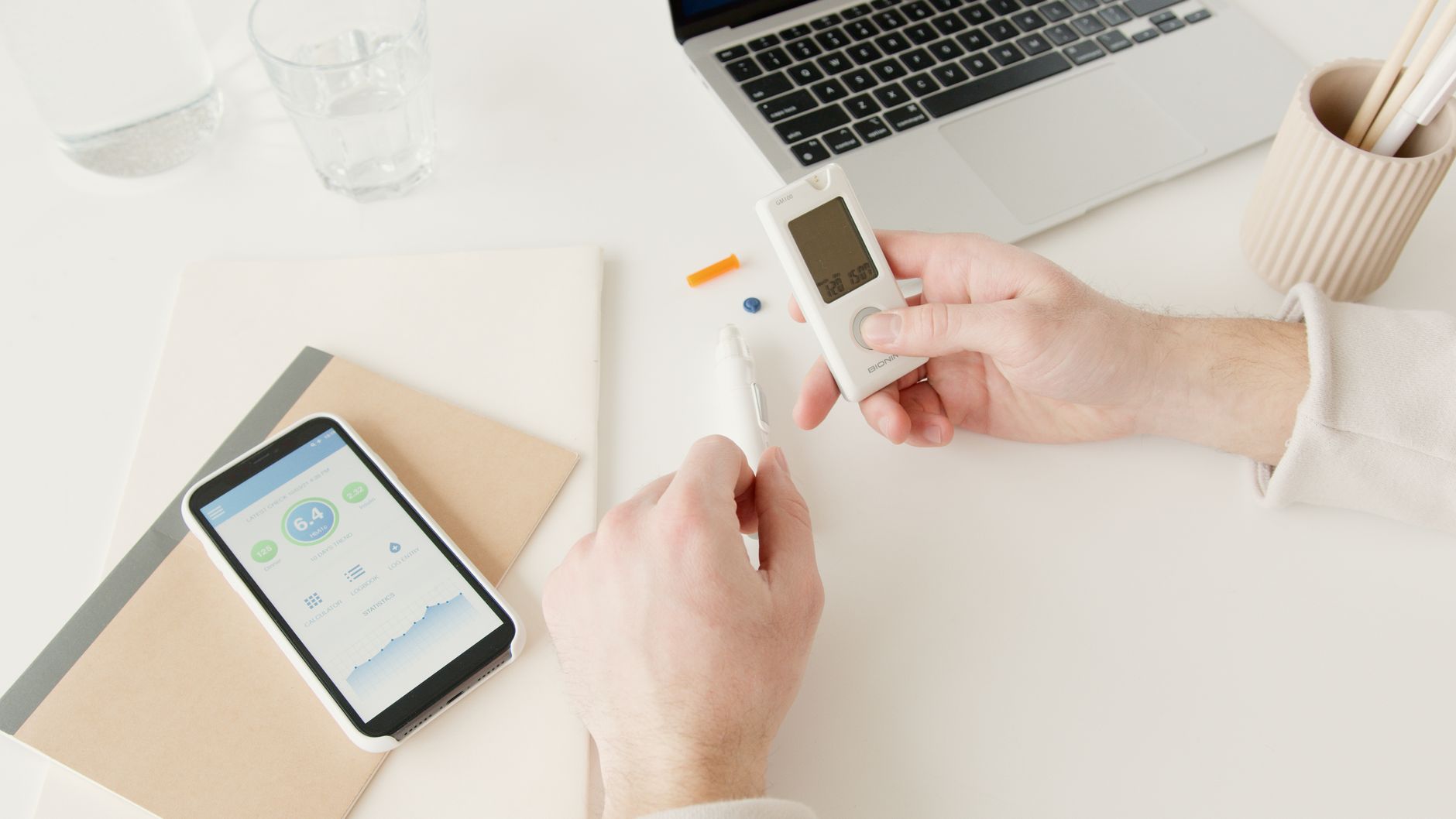
Modern healthcare AI applications integrate multiple functionalities into smartphone-based platforms. When a doctor enters patient information, the system draws from vast databases of medical literature, treatment guidelines, and clinical studies to provide contextual recommendations.
Key features include:
- Real-time symptom analysis and differential diagnosis suggestions
- Medication dosage calculators adjusted for patient age, weight, and comorbidities
- Drug interaction alerts to prevent adverse medication combinations
- Protocol checklists for common conditions like diabetes, hypertension, and infectious diseases
- Image analysis capabilities for basic radiology and pathology screening
- Regional disease pattern data to flag locally prevalent conditions
The systems are designed to work with intermittent internet connectivity, downloading essential protocols for offline access—a critical feature in areas with unreliable network coverage.
Addressing India's Healthcare Workforce Shortage
India faces an acute shortage of qualified medical professionals, with the doctor-to-patient ratio significantly below WHO recommendations. This shortage is most severe in specialized fields. AI protocols help multiply the effectiveness of existing healthcare workers by standardizing care quality and reducing diagnostic errors.
For instance, community health workers with basic training can use AI-guided applications to conduct preliminary assessments, ensuring that patients receive appropriate triage and initial care. This extends the reach of limited specialist resources by filtering cases and ensuring that complex situations receive priority attention.
Integration with National Health Programs
The Indian government's digital health initiatives, including the Ayushman Bharat Digital Mission, are creating infrastructure that supports AI integration. Unified health IDs and electronic medical records enable AI systems to provide more personalized recommendations based on comprehensive patient histories.
Public health programs targeting tuberculosis, maternal health, and non-communicable diseases are incorporating AI tools to improve screening accuracy and treatment adherence tracking. These systems send automated reminders for medication and follow-up appointments, reducing treatment dropout rates.
Challenges and Considerations
Despite promising developments, several challenges remain. Many AI systems are trained primarily on Western medical data, which may not accurately reflect disease presentations or treatment responses in Indian populations. Efforts are underway to develop India-specific datasets that account for genetic diversity, dietary patterns, and endemic diseases.
Language barriers also pose significant obstacles. While English-based systems work in urban teaching hospitals, effective deployment in rural areas requires interfaces in regional languages. Several platforms now support Hindi, Tamil, Telugu, and other major Indian languages.
Data privacy and security concerns require robust frameworks, especially as health information becomes digitized and interconnected. Healthcare providers must balance the benefits of AI assistance with patient confidentiality obligations.
The Future of AI-Enabled Healthcare
As mobile network coverage expands and smartphone penetration increases even in rural India, AI-based healthcare support will become increasingly accessible. The technology promises not just to supplement medical expertise but to fundamentally democratize access to quality healthcare.
Future developments may include advanced image recognition for detecting diseases from photographs, voice-based symptom reporting for low-literacy populations, and predictive analytics that identify disease outbreaks before they spread widely.
The transformation of Indian healthcare through mobile AI represents a convergence of technological innovation and public health necessity, offering hope for more equitable healthcare access across the country's vast and diverse population.
This article provides general information about AI applications in healthcare and should not be considered medical advice. Healthcare decisions should always be made in consultation with qualified medical professionals.