India's education landscape has witnessed a dramatic shift as sustained protests by a youth-led movement resulted in the resignation of the country's education minister. This unprecedented development marks a turning point in how students and young professionals are asserting their voices in shaping educational policy, and raises critical questions about what reforms might follow.
The Power of Youth Mobilisation
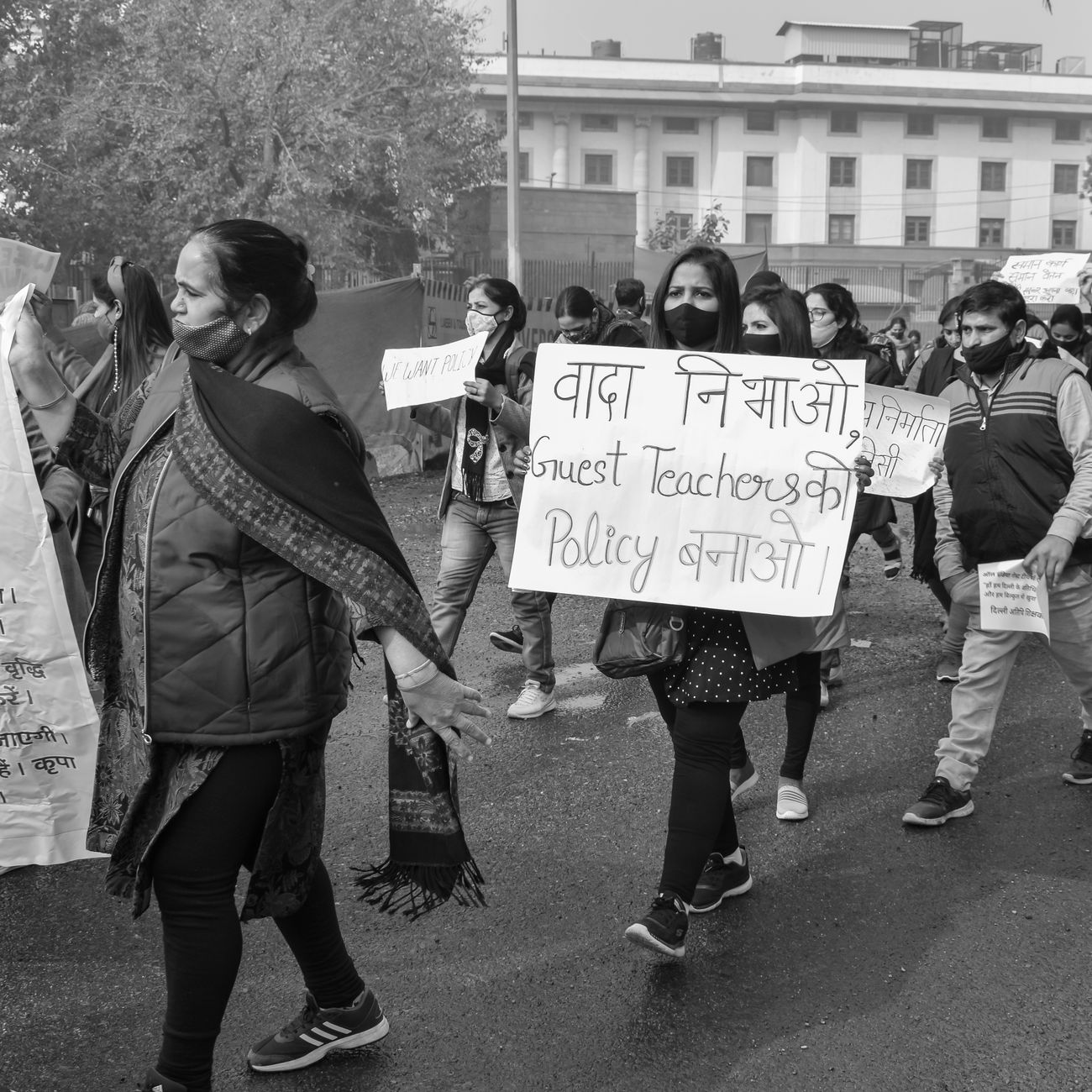
The successful ousting of a cabinet-level minister through grassroots student activism demonstrates the growing political awareness and organisational capacity of India's youth. Students across universities, coaching centres, and educational institutions coordinated protests that gained momentum through social media platforms, traditional demonstrations, and widespread public support.
This movement reflects broader dissatisfaction with various aspects of India's education system, including examination patterns, curriculum relevance, mental health concerns, and the perceived disconnect between education and employment opportunities. The resignation signals that authorities can no longer ignore sustained public pressure, particularly when it comes from the demographic most directly affected by education policies.
Key Grievances Driving the Movement
Several interconnected issues fuelled the protests that ultimately led to the minister's departure:
- Examination stress and the mental health crisis among students facing intense academic pressure
- Concerns about frequent changes to examination patterns and curricula without adequate notice
- The perceived overemphasis on rote learning rather than skill development and critical thinking
- Limited employment prospects despite educational qualifications
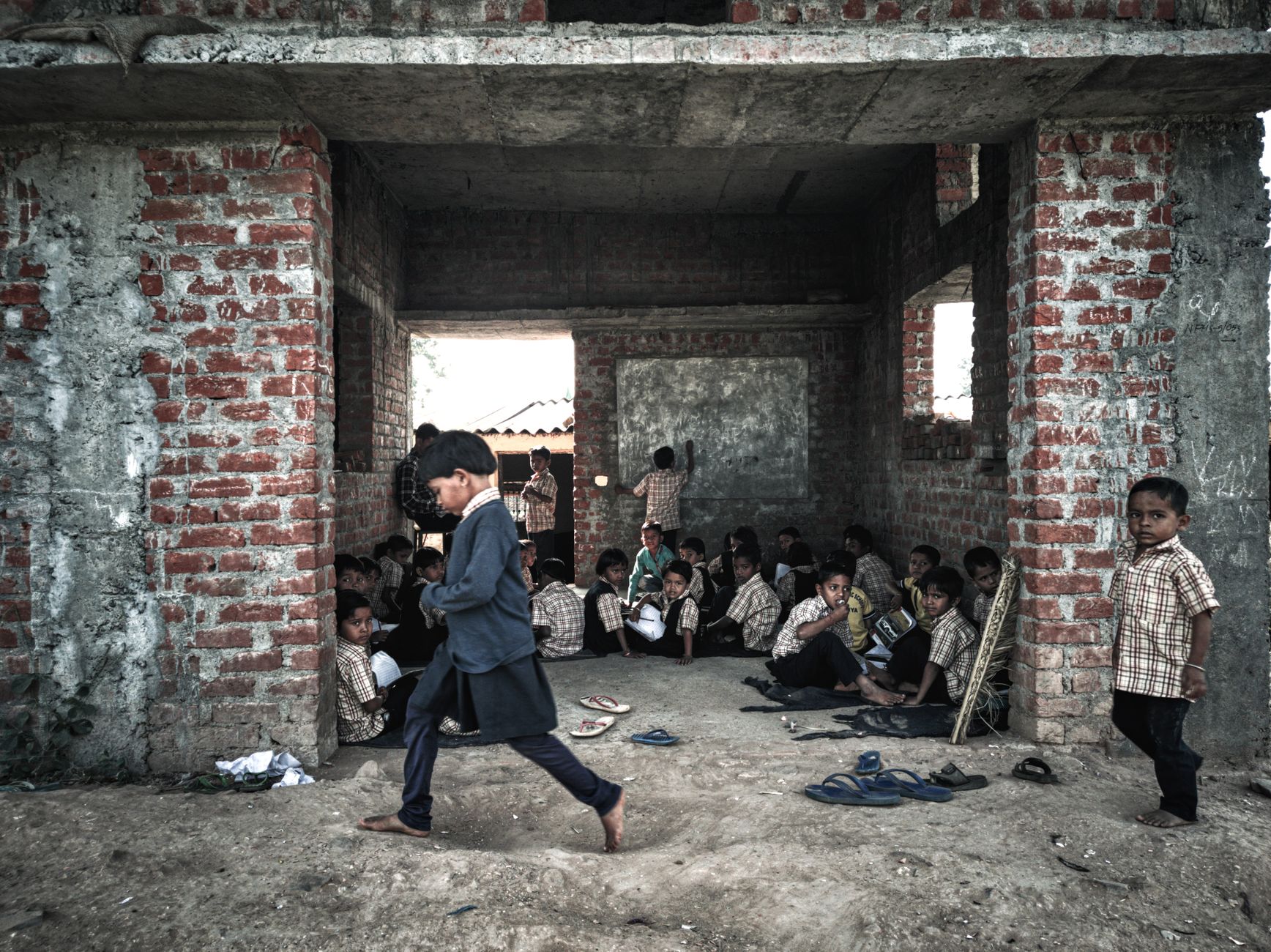
- Infrastructure inadequacies in government schools and colleges
- Transparency issues in admissions processes and examination evaluations
- The affordability crisis in higher education
Immediate Implications
The minister's exit creates both opportunities and uncertainties. In the short term, the government will need to appoint a replacement who can restore confidence in the Education Ministry while addressing the protesters' concerns. This appointment will be closely watched as an indicator of whether the government intends to pursue genuine reform or simply wait for public attention to shift elsewhere.
Educational institutions may experience a period of policy limbo as the transition occurs. Students preparing for major examinations will be particularly concerned about stability in examination patterns and dates. Universities and regulatory bodies will need clear direction on ongoing initiatives and proposed changes.
Potential Reform Pathways
The vacuum created by the minister's departure presents an opportunity for substantive educational reform. Several areas are likely to receive renewed attention:
The examination system may undergo review, with possible moves toward more continuous assessment models rather than high-stakes single examinations. There could be increased emphasis on application-based learning and reduced dependency on memorisation.
Mental health support infrastructure in educational institutions may finally receive the investment and attention it has long required. Counselling services, stress management programmes, and a more balanced approach to academic pressure could become priorities.
Curriculum reforms might accelerate, with greater integration of practical skills, digital literacy, and employment-oriented training. The gap between what students learn and what employers need has been a persistent complaint that any new minister will need to address.
Challenges Ahead
Despite the optimism that often accompanies political change, significant obstacles remain. India's education system is vast and complex, involving coordination between central and state governments, numerous regulatory bodies, and millions of institutions. Implementing meaningful change across this ecosystem requires more than ministerial will—it demands sustained effort, adequate funding, and bureaucratic cooperation.
There is also the risk that symbolic gestures might substitute for substantive reform. Announcing new policies is easier than ensuring their effective implementation, particularly in a system where corruption, resource constraints, and resistance to change are persistent problems.
The Broader Context
This episode fits within a global pattern of youth-led movements demanding systemic change. From climate activism to social justice campaigns, young people worldwide are demonstrating unprecedented capacity for organised advocacy. In India specifically, this follows other instances of successful student mobilisation around issues like fee hikes and campus autonomy.
The education sector's challenges are intertwined with larger economic and social questions. How does India create employment for millions of educated young people? How can traditional education adapt to rapidly changing technological landscapes? What role should government play versus private sector in educational provision?
The coming months will reveal whether this ministerial change catalyses genuine transformation or becomes merely a footnote in India's educational history. The youth movement that achieved this outcome has demonstrated it will remain vigilant, ensuring that their mobilisation translates into tangible improvements in how India educates its young citizens.