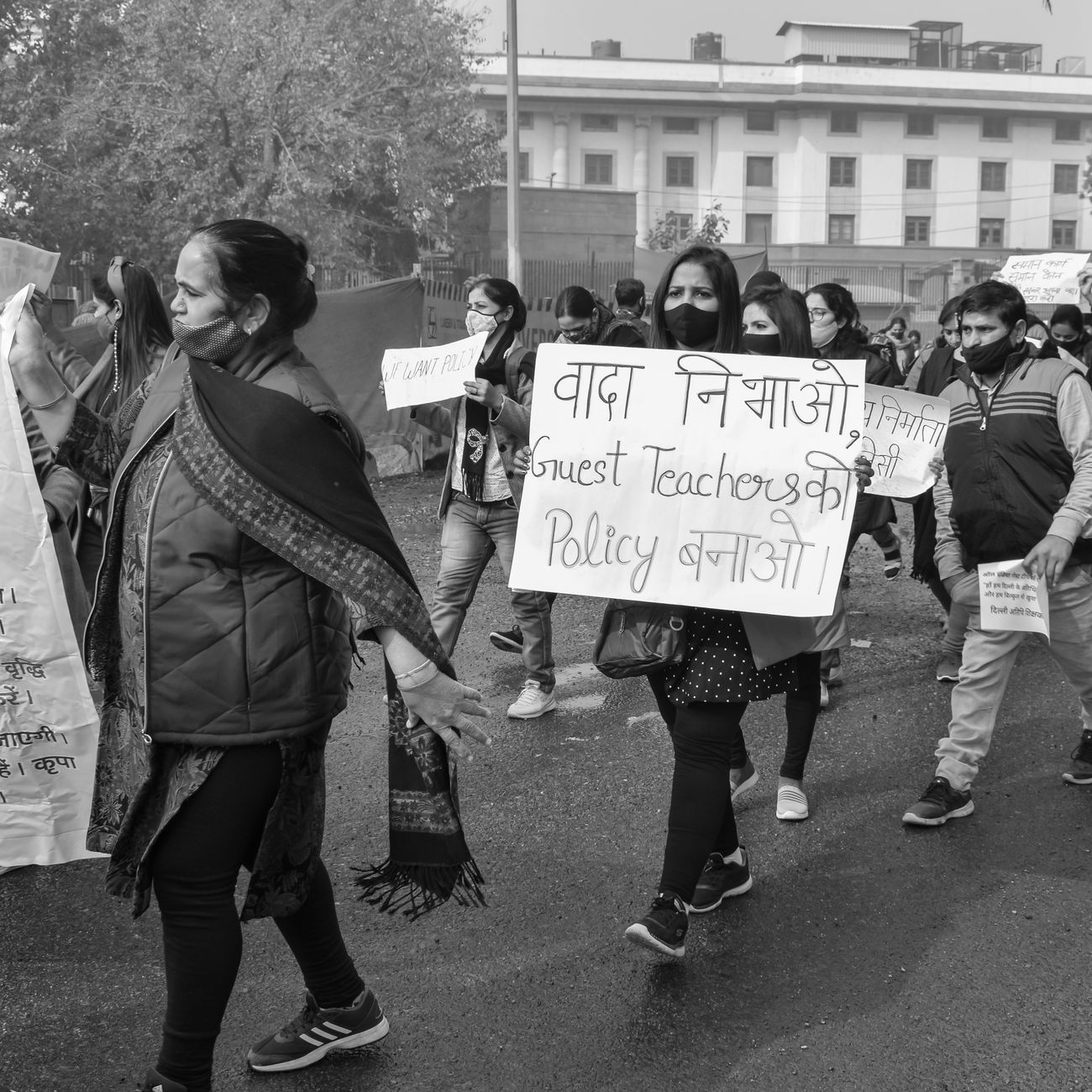
India's education system is undergoing significant transformation through recent reform measures that extend far beyond immediate political pressures or student demonstrations. While protests often catalyze policy discussions, the current wave of educational restructuring reflects deeper systemic needs that have accumulated over decades.
The Structural Imperatives Behind Reform
India's education sector faces multiple challenges that demand comprehensive solutions. With over 260 million students enrolled across schools and higher education institutions, the country operates one of the world's largest education systems. This scale brings unique challenges including quality disparities between urban and rural institutions, outdated curricula that fail to match market requirements, and assessment methods that emphasize rote learning over critical thinking.
The reforms address fundamental questions about what education should achieve in a rapidly evolving economy. Traditional models designed during colonial times prioritized creating clerical workers, but today's economy demands creativity, problem-solving abilities, and adaptability—skills that require entirely different pedagogical approaches.
Key Components of the Reform Framework
The recent education reforms encompass several interconnected dimensions that collectively reimagine the learning ecosystem:
- Multidisciplinary approach allowing students to combine arts, sciences, and vocational subjects rather than rigid stream segregation
- Continuous evaluation systems replacing high-stakes board examinations that determined entire academic futures
- Integration of vocational training from secondary level to make technical skills accessible earlier
- Enhanced focus on mother-tongue instruction in early years to improve comprehension and retention
- Strengthened regulatory frameworks for higher education institutions to ensure quality standards
- Increased emphasis on research and innovation infrastructure in universities
These elements work together to create a more flexible, student-centric system that acknowledges diverse learning styles and career aspirations.
Addressing Employment and Skill Gaps
A significant driver of reform is the persistent mismatch between educational outputs and employment requirements. Despite producing millions of graduates annually, India faces the paradox of high youth unemployment alongside unfilled positions requiring specific skills. Engineering graduates often lack practical skills employers need, while humanities students struggle to find career pathways aligned with their education.
The reforms attempt to bridge this gap by encouraging internships, industry collaboration, and practical learning components. Universities are being incentivized to develop courses responding to emerging sectors like artificial intelligence, renewable energy, and digital marketing rather than offering only traditional degrees with limited market relevance.
The Technology Integration Dimension
Digital transformation forms a crucial pillar of these reforms, accelerated by lessons learned during pandemic-era remote learning. The emphasis extends beyond merely digitizing content to reimagining how technology can personalize learning, provide real-time feedback, and make quality education accessible to remote areas.
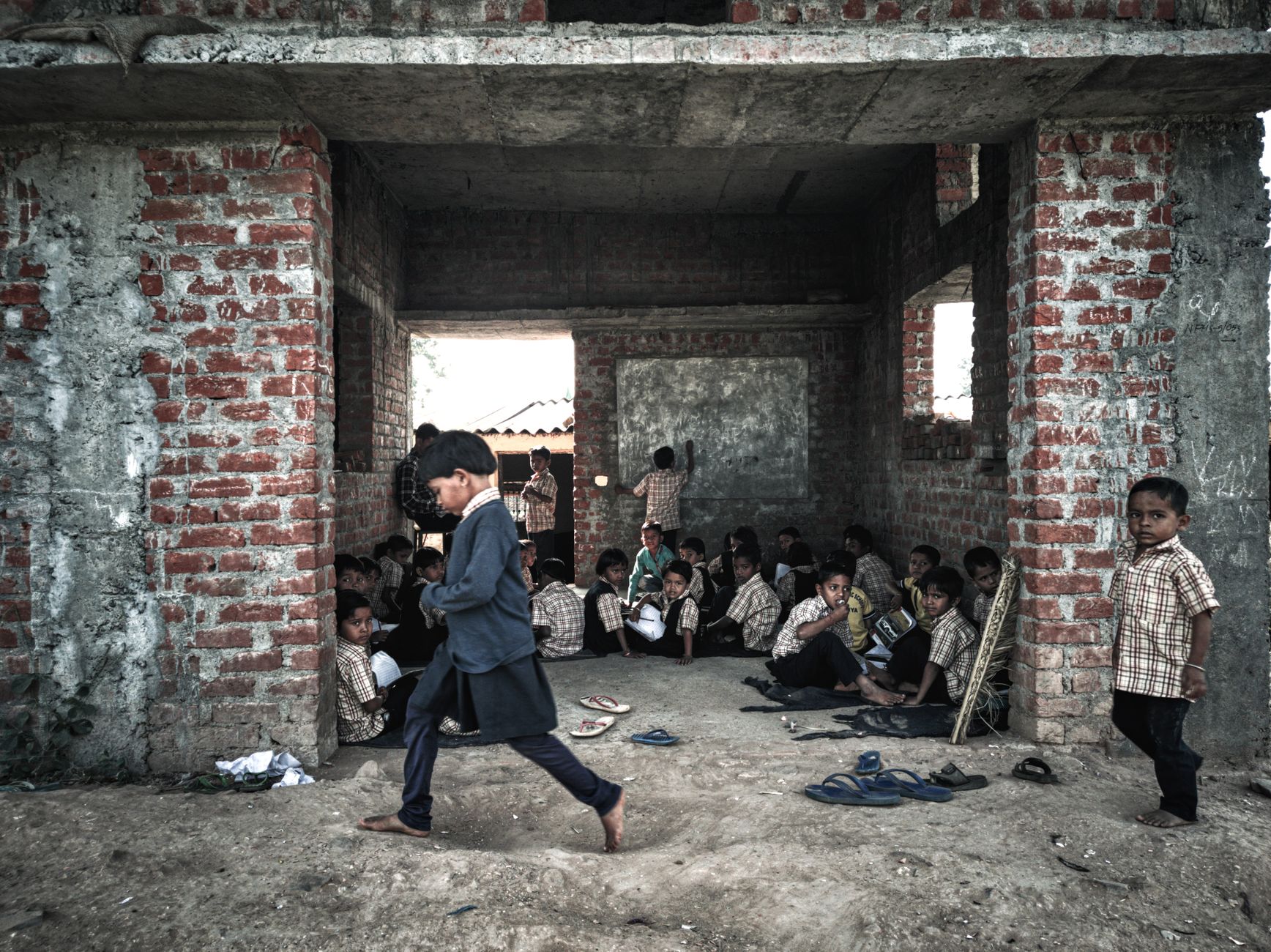
Government initiatives to provide digital infrastructure, develop online learning resources, and train teachers in technology integration represent investments in long-term educational capacity rather than short-term fixes. However, implementation challenges remain significant, particularly regarding internet connectivity and device availability in rural regions.
Challenges in Implementation
Despite well-intentioned frameworks, translating policy into practice presents substantial obstacles. Teacher training requires massive investment, as does updating physical infrastructure in thousands of under-resourced schools. Cultural resistance to changes in assessment methods—particularly the move away from familiar board examination formats—creates friction among parents and educators accustomed to traditional systems.
Financial constraints pose another challenge. Comprehensive education reform requires sustained funding for infrastructure, training, and technology—commitments that must survive budget pressures and political transitions.
Looking Beyond Immediate Reactions
What distinguishes the current reforms from previous initiatives is their holistic nature. Rather than isolated changes to specific policies, these reforms attempt systemic transformation addressing curriculum, pedagogy, assessment, governance, and infrastructure simultaneously.
The reforms also reflect India's aspirations on the global stage. As the country seeks to position itself as a knowledge economy and innovation hub, education becomes strategic infrastructure, not merely a social service. Producing graduates capable of contributing to research, entrepreneurship, and high-value industries requires fundamentally different educational approaches than those designed for an industrial-age economy.
While student protests and stakeholder concerns have certainly influenced specific provisions, the broader reform agenda responds to structural imperatives that transcend any single grievance. Success will depend on sustained implementation efforts, adequate resource allocation, and willingness to adjust approaches based on evidence rather than ideology.
This article provides general information about education policy developments and should not be considered as specific academic or career guidance. Readers should consult relevant educational authorities and counselors for decisions affecting their individual circumstances.