India's youth have always been passionate about education, but recent years have seen an unprecedented wave of student activism across the country. From bustling metropolitan universities to small-town colleges, young Indians are making their voices heard on issues that directly impact their futures. Understanding what drives these protests reveals much about the challenges facing India's education system and the aspirations of its largest-ever young population.
The Pressure Cooker of Competitive Exams
One of the primary grievances fueling student unrest is the intense competition and perceived unfairness in entrance examinations. India's education system funnels millions of students through high-stakes tests like JEE for engineering, NEET for medicine, and various state and national-level examinations. Any perceived irregularities, last-minute changes to exam patterns, or technical glitches during online tests spark immediate outcry.
Students argue that these exams, often held only once or twice a year, place enormous pressure on young people whose entire careers hinge on a single day's performance. When examination bodies announce sudden changes or when paper leaks occur, students feel their years of preparation are undermined, leading to organized protests demanding transparency and accountability.
The Jobs Crisis and Skill Mismatch
Beyond examinations, the disconnect between education and employment drives much of the frustration among Indian youth. Despite holding degrees, many graduates struggle to find jobs that match their qualifications or pay living wages. The unemployment rate among educated youth remains stubbornly high, creating a sense that the educational system is failing to prepare students for the modern job market.
Students are increasingly questioning whether traditional degree programs provide relevant skills for today's economy. They protest demanding curriculum reforms that incorporate practical training, industry exposure, and contemporary skills like coding, digital literacy, and entrepreneurship. The gap between what universities teach and what employers seek has become a flashpoint for activism.
Access and Equity Concerns
Educational inequality remains a contentious issue across India. Students from marginalized communities, rural areas, and economically disadvantaged backgrounds face multiple barriers to quality education. Protests often center on:
- Reservation policies and their implementation in educational institutions
- Fee hikes that make higher education unaffordable for middle and lower-income families
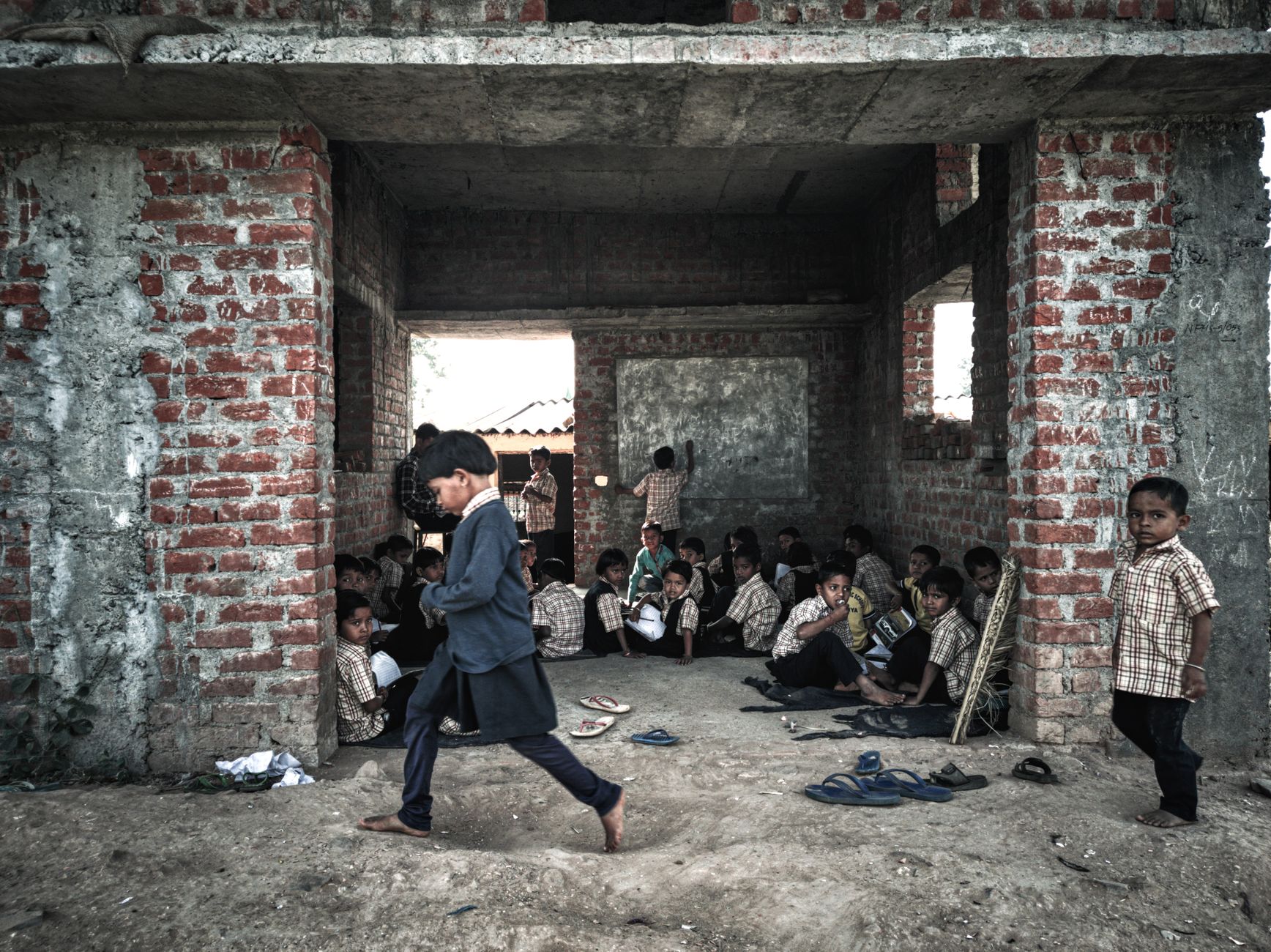
- Inadequate infrastructure and resources in government schools and colleges
- Language barriers when regional-medium students compete in English-dominated systems
- Limited seats in premier institutions despite growing demand
When prestigious universities announce fee increases or when government scholarships face delays or cuts, students organize to demand that education remain accessible to all, not just the privileged few.
Academic Freedom and Campus Politics
University campuses have traditionally been spaces for political discourse and activism in India. Recent years have seen tensions between student groups and administrations over issues of free speech, political activities on campus, and disciplinary actions against student activists. Young people protest when they feel their right to express dissenting opinions is curtailed or when they perceive political interference in academic institutions.
Debates over curriculum content, the appointment of university officials, and the autonomy of educational institutions frequently spill into the streets, with students positioning themselves as defenders of democratic values and academic independence.
The Digital Divide
The COVID-19 pandemic exposed stark inequalities in access to digital education. As classes moved online, students without reliable internet connections or devices found themselves unable to participate. Even as physical classes resume, the digital divide continues to affect students' ability to access resources, submit assignments, and compete on equal footing. Protests have demanded better infrastructure and support for digitally disadvantaged students.
Seeking Systemic Reform
Today's student protests reflect a generation that is better informed, more connected through social media, and less willing to accept systems they view as outdated or unjust. They are demanding not just tweaks but fundamental reforms to make education more relevant, accessible, and equitable. Whether it's exam schedules, fee structures, or employment outcomes, Indian youth are making clear that they expect their education system to serve their needs and aspirations.
The frequency and scale of these protests signal that addressing these concerns is not optional but essential for India to harness its demographic dividend and provide meaningful opportunities for its young population.
This article is for general informational purposes only and does not constitute professional advice. Readers should research specific issues and developments independently for complete and current information.