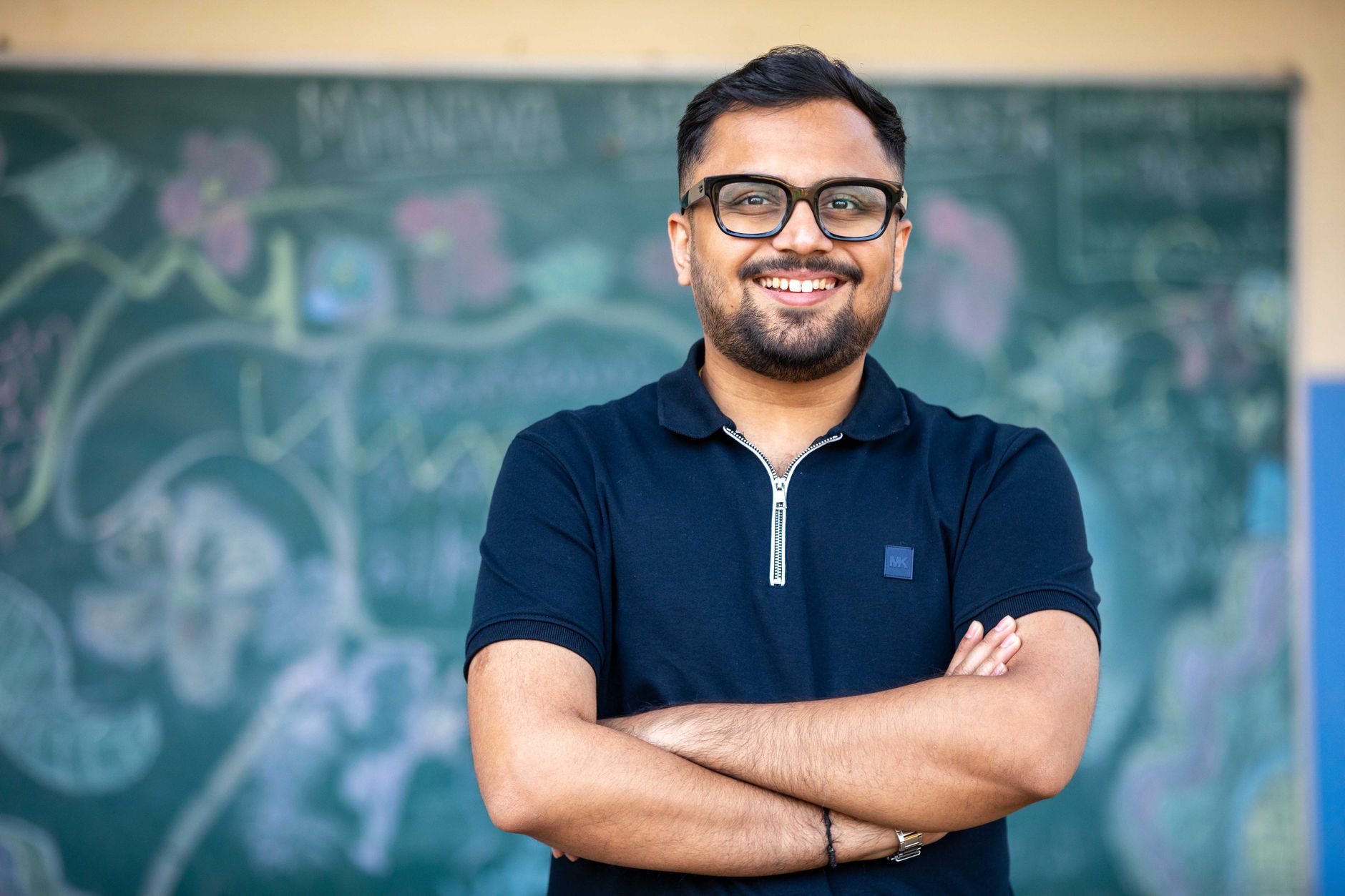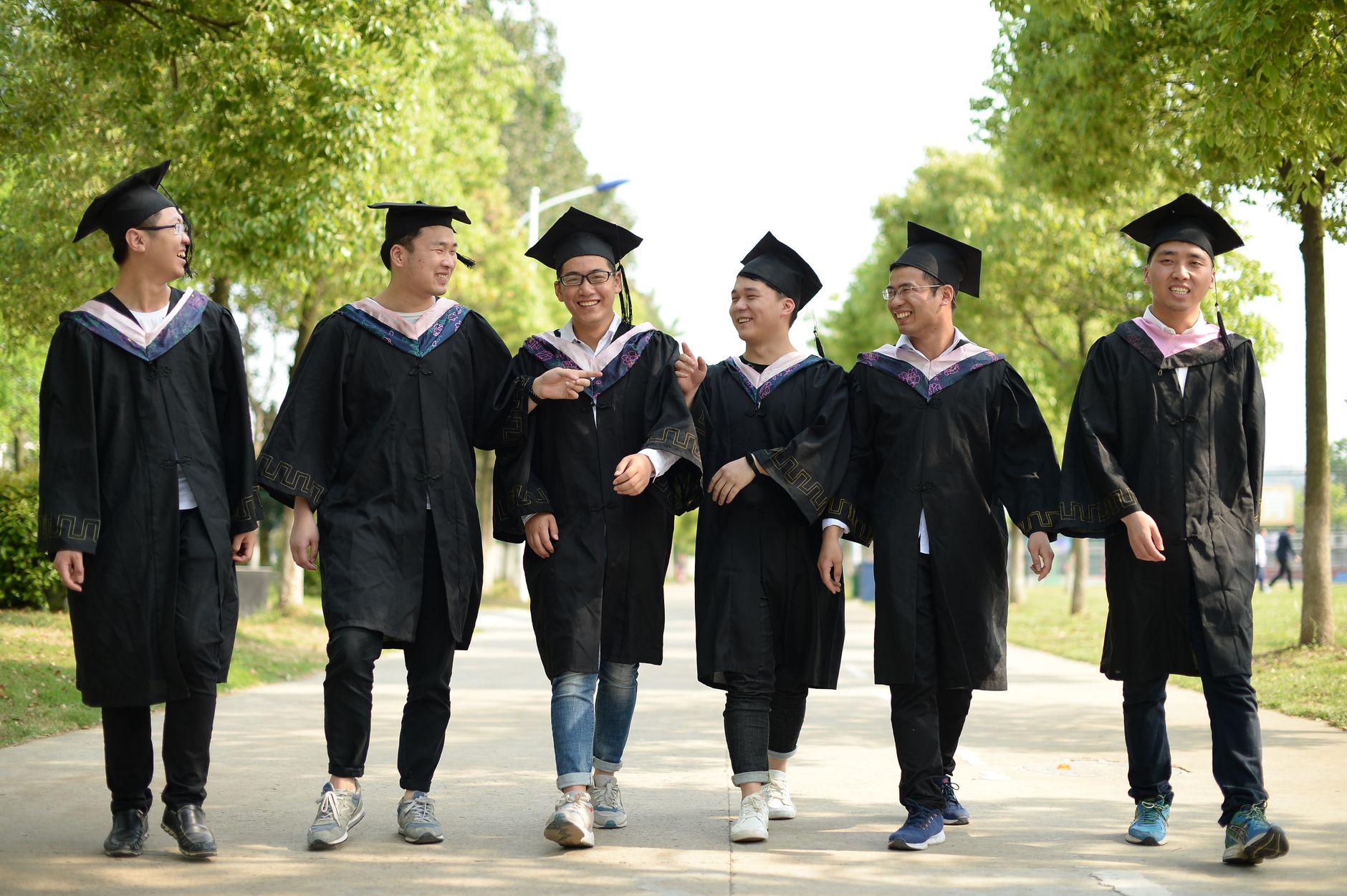
Germany has emerged as the hottest destination for Indian students pursuing higher education, particularly those eyeing specializations in artificial intelligence and data science. The dramatic 370% increase in applications signals a significant shift in how Indian students are planning their international education journey.
The AI Education Boom
The surge in applications coincides with a global explosion in demand for AI professionals. German universities have responded by expanding their offerings in machine learning, artificial intelligence, data analytics, and related fields. Institutions like the Technical University of Munich, RWTH Aachen, and the University of Stuttgart have developed world-class programs that combine theoretical foundations with practical industry applications.
Indian students are particularly drawn to Master of Science programs in AI and computer science because these courses offer cutting-edge curricula aligned with industry needs. German universities maintain strong partnerships with major tech companies and research institutions, providing students with access to state-of-the-art facilities and real-world project opportunities.
Why Germany Over Other Destinations
Several factors have positioned Germany as an attractive alternative to traditional destinations like the United States, United Kingdom, and Canada.
The most compelling reason is affordability. Most public universities in Germany charge minimal or no tuition fees, even for international students. While students pay a semester contribution of typically 250-350 euros covering administrative costs and public transport, this is negligible compared to tuition fees exceeding 30,000-50,000 dollars annually in countries like the US or UK.
Cost of living in German cities, while varying by location, remains reasonable compared to London, New York, or Sydney. Cities like Leipzig, Dresden, and smaller university towns offer quality education at a fraction of the living expenses required in other Western nations.
Strong Post-Study Work Opportunities
Germany's generous post-study work provisions have become a major draw. International graduates receive an 18-month residence permit to search for employment related to their field of study. Once employed, they can transition to a work visa and eventually apply for permanent residency.
The country faces a significant skill shortage, particularly in technology sectors. The German government has actively sought to attract international talent, implementing policies to streamline work visa processes for qualified professionals. With unemployment rates among the lowest in Europe and a thriving tech ecosystem, graduates find abundant opportunities in both established corporations and startups.
Major German companies like SAP, Siemens, Bosch, and BMW actively recruit from university campuses. Additionally, Berlin has become a major European tech hub, hosting numerous startups and international companies seeking AI and data science talent.
Growing India-Germany Educational Ties
The Indian government's focus on AI education and Germany's parallel emphasis on digital transformation have created natural synergies. Both countries have signed educational cooperation agreements, making credential recognition and student mobility smoother.
German universities have also increased their outreach in India, participating in education fairs, conducting webinars, and simplifying application processes. The German Academic Exchange Service (DAAD) has expanded scholarship programs specifically targeting Indian students in STEM fields.
Language and Cultural Considerations
While many master's programs in technical fields are offered entirely in English, learning German significantly enhances employment prospects and daily life quality. Most universities offer German language courses, and achieving basic proficiency opens doors to a wider range of job opportunities.
The cultural adjustment, while present, is manageable. Germany's international student population has grown substantially, creating diverse campus communities. Cities with major universities have established Indian communities, making the transition easier for newcomers.
Application Requirements and Timeline
Indian students typically need a relevant bachelor's degree, proof of English proficiency through TOEFL or IELTS, letters of recommendation, and a statement of purpose. Some programs require GRE scores, though this is becoming less common for European universities.
Applications generally open 12-18 months before the program start date. Given the surge in applications, prospective students should prepare well in advance, ensuring all documents meet requirements and deadlines.
The Future Outlook
As AI continues transforming industries globally, the demand for qualified professionals will only intensify. Germany's combination of quality education, minimal costs, and strong career prospects positions it as a premier destination for Indian students seeking to build careers in emerging technologies.
The 370% increase in applications reflects not just a trend but a fundamental shift in how Indian students evaluate international education options, prioritizing long-term career value and financial sensibility over traditional brand names.
This article provides general information about educational opportunities and should not be considered as specific academic or career advice. Prospective students should research individual programs and consult with educational advisors for personalized guidance.