The Indian government's recent cabinet reshuffle has brought Pralhad Joshi to the forefront of the nation's education sector. As the new Union Minister for Education, Joshi inherits responsibility for shaping policies that affect millions of students across the country, from primary schools to premier institutions of higher learning.
Political Background and Career Trajectory
Pralhad Joshi is a four-term Lok Sabha member representing the Dharwad constituency in Karnataka. Born in 1962, he has been associated with the Bharatiya Janata Party (BJP) for several decades and rose through the party ranks in Karnataka politics. His educational background includes a law degree, which laid the foundation for his entry into public service and politics.
Before taking charge of the education ministry, Joshi served in various capacities within the government. He held the portfolio of Parliamentary Affairs Minister and Coal and Mines Minister, demonstrating his ability to handle multiple high-stakes responsibilities. His tenure in these positions was marked by efforts to streamline parliamentary proceedings and push for reforms in the mining sector.
Key Strengths and Leadership Style
Joshi is known for his administrative capabilities and his ability to build consensus across party lines. As Parliamentary Affairs Minister, he was responsible for coordinating with opposition parties to ensure smooth functioning of Parliament, a skill that may prove valuable in addressing the diverse stakeholder concerns in the education sector.
His reputation as a methodical administrator who focuses on implementation rather than rhetoric has earned him respect within political circles. Colleagues describe him as accessible and willing to engage in dialogue, qualities that could be advantageous when dealing with student organizations, teachers' unions, and academic institutions.
Challenges in the Education Portfolio
The education ministry comes with significant challenges that require immediate attention. The National Education Policy 2020 is in various stages of implementation across states, and ensuring uniform progress remains a critical task. The policy envisions sweeping changes including multidisciplinary education, flexible curriculum structures, and greater emphasis on vocational training.
Several pressing issues await the new minister's attention:
- Rising concerns about unemployment among educated youth despite increasing college enrollments
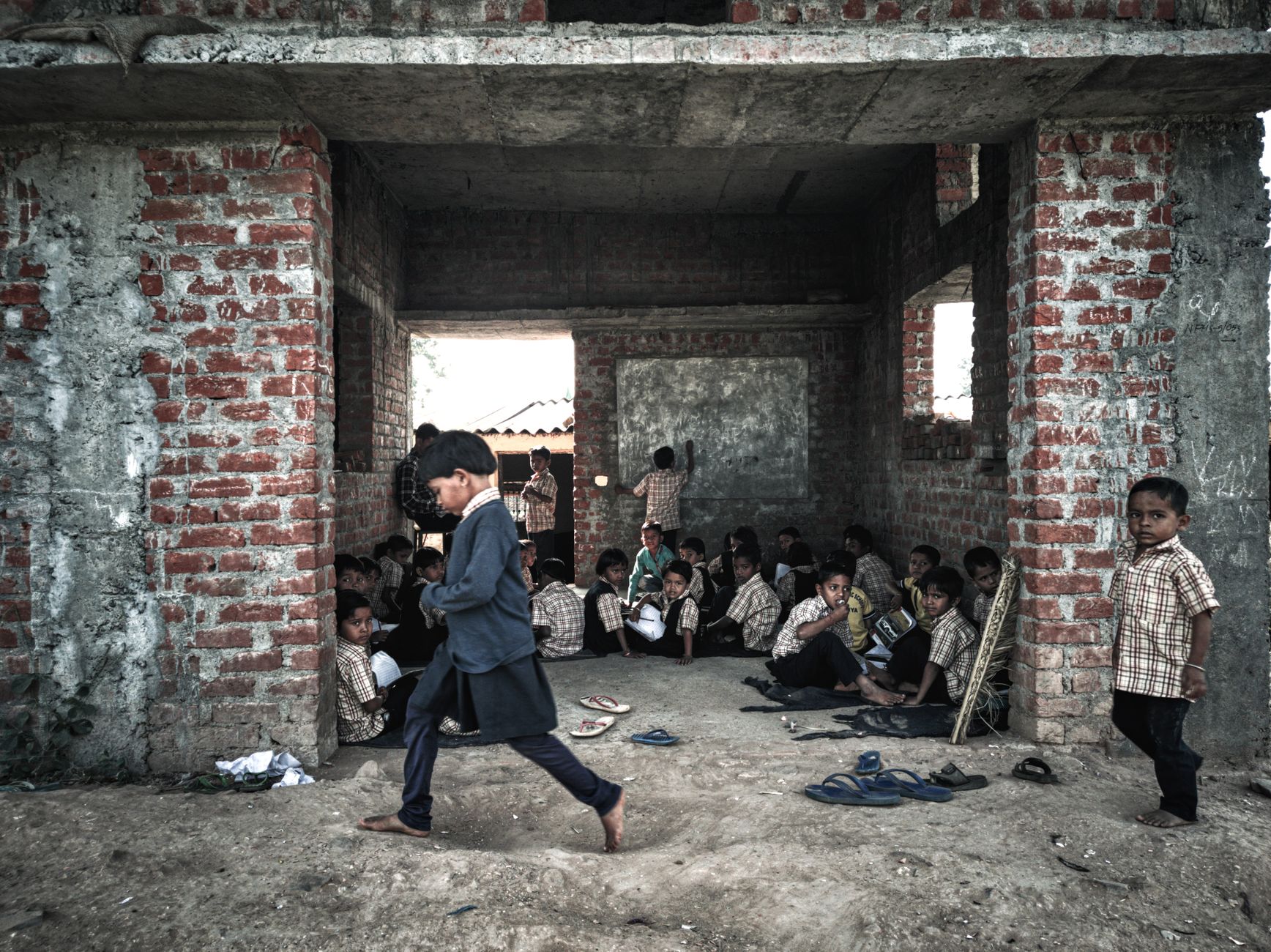
- Infrastructure gaps in government schools, particularly in rural areas
- Teacher shortages and quality of instruction at primary and secondary levels
- The balance between online and offline education post-pandemic
- Regulation of private educational institutions and fee structures
- Promoting research and innovation in higher education institutions
- Improving India's standing in global university rankings
The State of Indian Education
India's education sector serves over 250 million students across schools and nearly 40 million in higher education institutions. While enrolment rates have improved significantly over the past decades, learning outcomes remain a concern. Various assessments have highlighted gaps in foundational literacy and numeracy skills among primary school students.
The higher education landscape faces its own set of challenges. Indian institutions struggle to attract and retain top academic talent, research funding remains inadequate compared to global standards, and the emphasis on rote learning continues to hinder creative thinking and innovation.
What Industry Expects
Education sector stakeholders are looking for policy continuity alongside necessary course corrections. The edtech industry, which boomed during the pandemic, seeks clear regulatory frameworks. Traditional educational institutions want support in upgrading infrastructure and adopting technology without losing the essence of classroom learning.
Student organizations and youth advocates are demanding more focus on employability, industry-academia partnerships, and mental health support systems within educational institutions. There are also calls for making education more inclusive and accessible to marginalized communities.
Looking Ahead
Pralhad Joshi's appointment comes at a crucial juncture when India aims to position itself as a global knowledge hub. His success will be measured by his ability to accelerate NEP implementation, improve learning outcomes, and ensure that India's education system produces graduates equipped for the demands of the 21st-century economy.
The minister's track record suggests he will approach the role with diligence and a focus on tangible results. How he navigates the complex ecosystem of central and state education departments, autonomous institutions, and diverse stakeholder interests will define his tenure and impact on India's educational future.