India's education system stands at a crossroads. Despite decades of expansion and policy reforms, millions of children still lack access to quality education, and those who do attend school often emerge without the skills needed for meaningful employment or civic participation. In this context, the words of Nelson Mandela—who famously called education "the most powerful weapon which you can use to change the world"—resonate with particular urgency.
The Current State of Indian Education
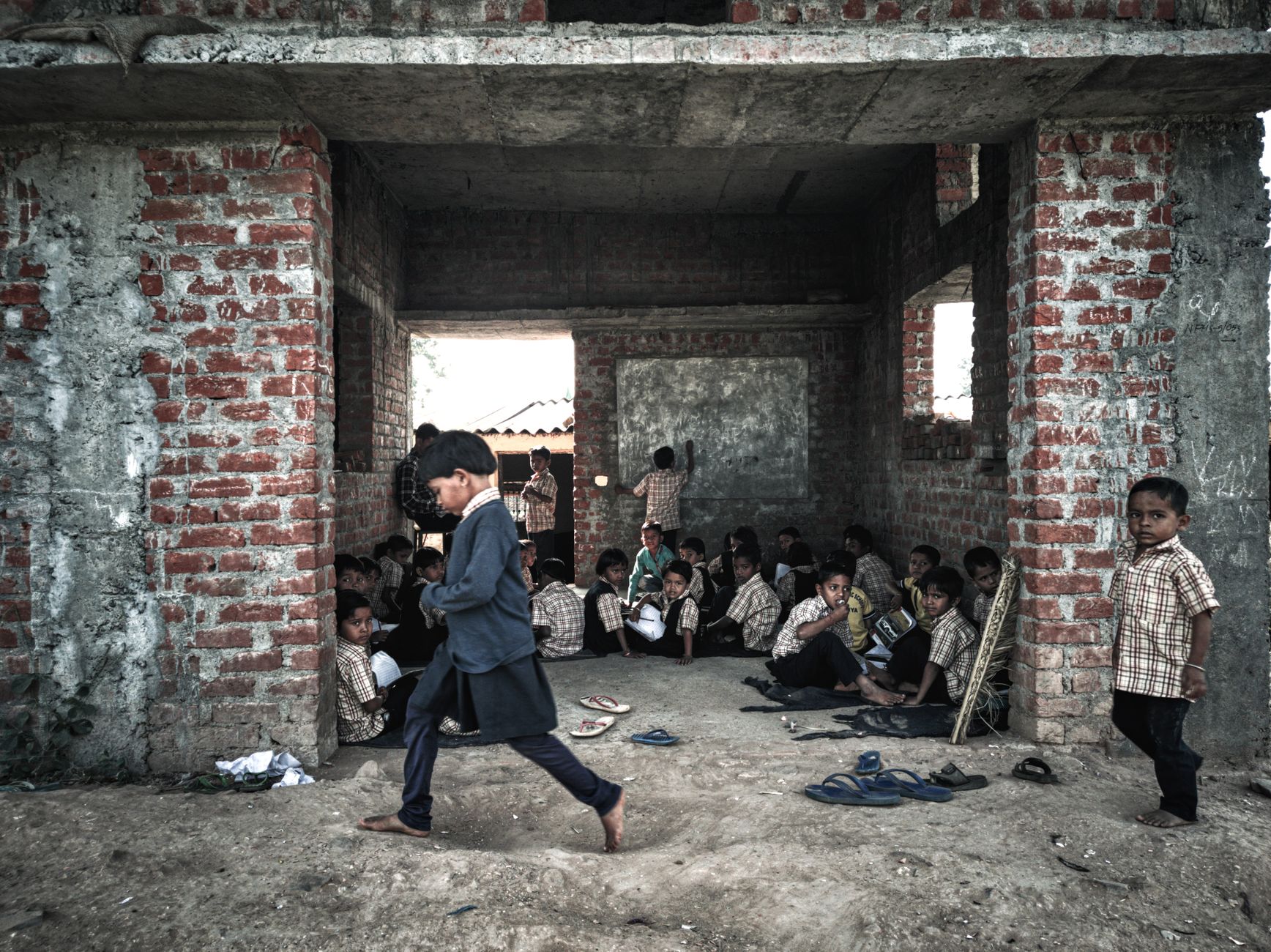
India has made remarkable strides in improving enrollment rates over the past two decades. The Right to Education Act of 2009 guaranteed free and compulsory education for children aged 6 to 14, and gross enrollment ratios have improved significantly. However, the quality of education remains deeply troubling. Annual Status of Education Reports consistently reveal that a large percentage of students cannot perform basic arithmetic or read grade-appropriate texts, even after years of schooling.
The system also struggles with stark inequalities. Rural students, children from marginalized communities, and girls in certain regions face significant barriers to accessing quality education. Infrastructure deficits, teacher shortages, and outdated curricula further compound these challenges.
Mandela's Vision: Education as Liberation
Mandela's approach to education emerged from his own experiences and South Africa's struggle against apartheid. He understood education not merely as the accumulation of facts, but as a tool for critical thinking, empowerment, and social transformation. His philosophy emphasized several key principles that remain relevant today.
First, Mandela believed education should be accessible to all, regardless of background or circumstances. His own pursuit of learning, even while imprisoned on Robben Island for 27 years, demonstrated his conviction that education is a fundamental human right that cannot be denied.
Second, he saw education as intrinsically linked to dignity and self-determination. For Mandela, an educated populace was essential for democracy to flourish and for citizens to participate meaningfully in shaping their society.
Lessons for India's Education Reform
India can draw several practical lessons from Mandela's educational philosophy to address its current challenges.
Focus on Quality Over Quantity
While increasing enrollment numbers is important, India must shift its focus toward ensuring that students actually learn. This requires:
- Regular assessment and accountability mechanisms for teachers and schools
- Updated curricula that emphasize critical thinking and problem-solving over rote memorization
- Investment in teacher training and professional development
- Adequate infrastructure, including libraries, laboratories, and digital resources
Promote Equity and Inclusion
Mandela's commitment to equality suggests that India must address the systemic barriers that prevent marginalized children from accessing quality education:
- Targeted interventions for disadvantaged communities
- Multilingual education that respects linguistic diversity
- Addressing gender disparities through safety measures and community engagement
- Providing nutritious meals, transportation, and other support services that enable attendance
Cultivate Critical Thinking and Civic Values
Education should prepare students not just for employment, but for active citizenship. This means:
- Encouraging questioning and debate in classrooms
- Teaching constitutional values and democratic principles
- Developing media literacy and digital citizenship skills
- Promoting understanding across religious, caste, and regional lines
Embrace Lifelong Learning
Mandela's own example of pursuing education throughout his life highlights the importance of creating opportunities for adult education and skill development. India's workforce requires continuous upskilling as the economy evolves, making vocational training and continuing education essential components of the education ecosystem.
The Path Forward
Implementing these changes requires political will, sustained funding, and collaboration among government, educators, civil society, and families. It also demands a shift in how society values education—moving beyond seeing it merely as a credential for employment toward recognizing it as essential for personal fulfillment and social progress.
India's demographic dividend—its large young population—can only be realized if these young people receive the education they need to thrive. Mandela's words remind us that education is not a luxury or a privilege, but the foundation upon which a just, prosperous, and democratic society is built.
The challenges facing Indian education are substantial, but they are not insurmountable. By embracing the transformative vision that guided Mandela's approach to learning and human development, India can create an education system that truly empowers all its children to reach their full potential.
This article is intended for general informational purposes only and does not constitute professional educational policy advice. Readers should consult relevant government guidelines and educational experts for specific policy recommendations.