In a remarkable display of people power, student-led protests across India have successfully pressured an education minister to step down from their position. The demonstrations, which protestors themselves dubbed the "Cockroach protests," represent a significant moment in Indian youth activism and raise important questions about accountability in the education sector.
Understanding the Cockroach Protest Movement
The unusual name "Cockroach protests" appears to have been adopted by students as a symbol of their persistence and resilience. Much like the insect they reference, the protestors demonstrated an ability to survive, adapt, and persist despite efforts to suppress or dismiss their concerns. This type of creative branding has become increasingly common in modern protest movements, helping to generate media attention and public support.
Student movements in India have a long and storied history, from the independence struggle to more recent agitations over various policy matters. The success of these protests in achieving their stated goal represents a continuation of this tradition of youth-led social change.
Core Issues Driving the Movement
While specific grievances can vary by region and institution, student protests in India's education sector typically centre around several key concerns:
- Quality of education and outdated curricula that fail to prepare students for modern job markets
- Examination reforms and evaluation systems perceived as unfair or unnecessarily stressful
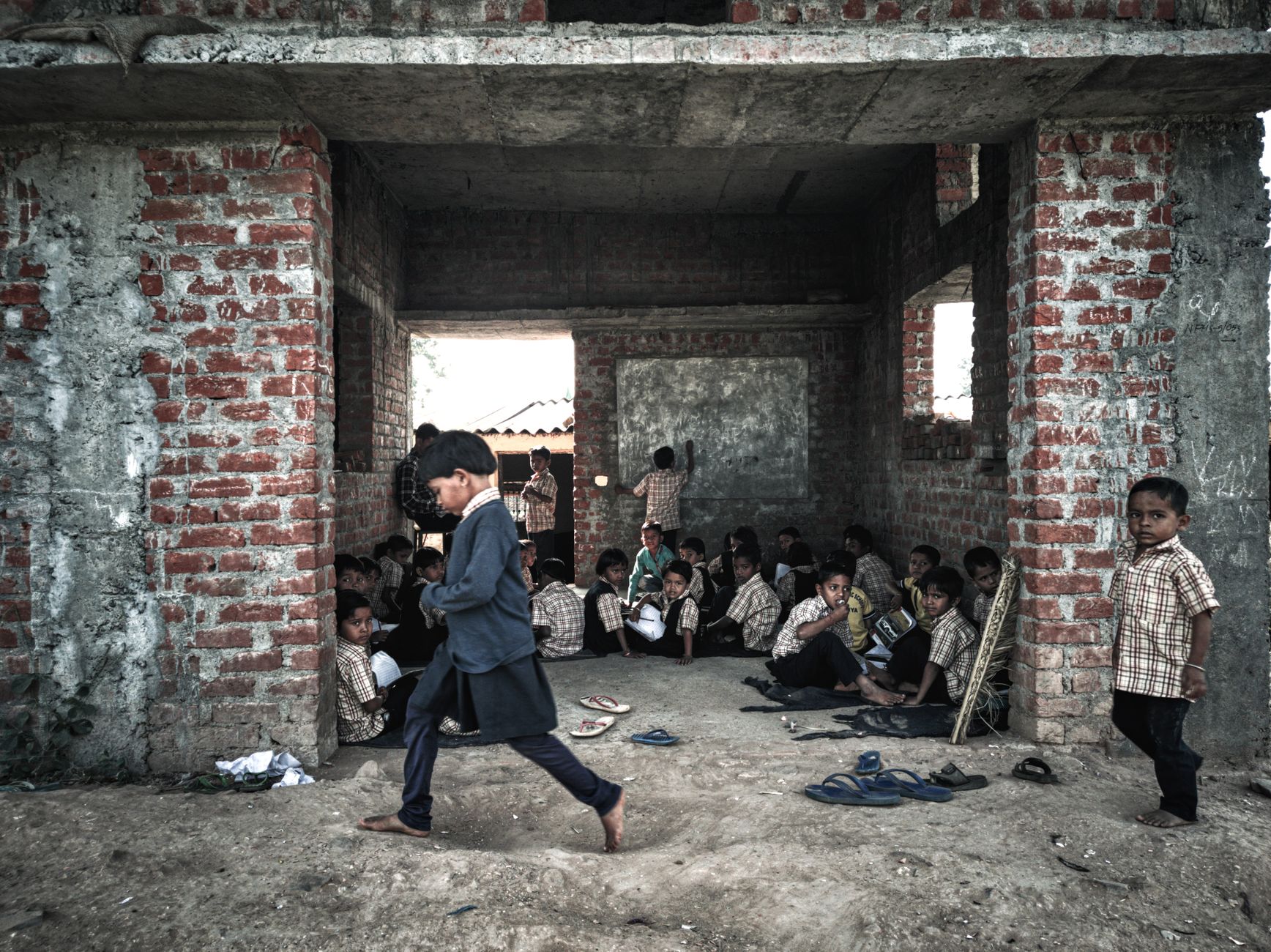
- Infrastructure deficiencies in schools and colleges, including lack of basic facilities
- Fee increases that make education inaccessible to economically disadvantaged students
- Appointment of unqualified or politically connected administrators
- Lack of transparency in educational governance and decision-making
- Issues related to reservations and access for marginalized communities
The Power of Sustained Agitation
The success of these protests underscores several important lessons about civic engagement in democratic societies. Sustained, peaceful demonstration can effect real change when protestors maintain focus on specific, achievable demands. The resignation of a minister represents not just a symbolic victory but potentially opens the door for policy reforms that address student concerns.
Modern protest movements have also learned to leverage social media and digital platforms effectively. Images, videos, and firsthand accounts shared online can rapidly build public support and make it difficult for authorities to ignore or suppress demonstrations. This digital dimension has fundamentally changed the dynamics of political activism in India.
Implications for Education Policy
A ministerial resignation following protests typically triggers a period of introspection and potential reform. The incoming minister or officials will likely face pressure to address the issues that sparked the demonstrations in the first place. This creates a window of opportunity for meaningful dialogue between students, educators, and policymakers.
However, the departure of one official does not automatically guarantee systemic change. Students and education advocates will need to remain engaged to ensure that their concerns translate into concrete policy reforms rather than merely cosmetic changes in leadership.
The Role of Youth Activism in Democracy
This episode highlights the vital role that young people play in holding institutions accountable. Students, as direct stakeholders in the education system, often have the clearest perspective on what works and what needs improvement. When they organize collectively and articulate clear demands, they can become powerful agents of change.
The success of these protests may inspire similar movements in other sectors where young people feel their voices are not being heard. It demonstrates that patient, persistent activism can overcome initial resistance from established power structures.
Looking Forward
The resignation represents a beginning rather than an end. The real test will be whether this moment leads to substantive improvements in educational governance, infrastructure, accessibility, and quality. Students and civil society organizations will need to remain vigilant to ensure that momentum from the protests translates into lasting reform.
Other states and educational institutions may also take notice, potentially implementing proactive reforms to address similar concerns before they escalate into large-scale protests. Forward-thinking administrators might view this as an opportunity to engage students more meaningfully in educational planning and policy-making.
The "Cockroach protests" have demonstrated that determined young people, united by common concerns and sustained in their efforts, can successfully challenge established authority and demand accountability. This represents an encouraging affirmation of democratic principles and the power of peaceful civic engagement.