In a significant cabinet reshuffle, Union Minister Pralhad Joshi has been appointed as India's new Education Minister, taking over the reins from Dharmendra Pradhan who recently tendered his resignation. This leadership change comes at a crucial time when the education sector is navigating post-pandemic recovery and implementing ambitious reforms under the National Education Policy 2020.
About Pralhad Joshi
Pralhad Joshi, a senior Bharatiya Janata Party leader from Karnataka, brings considerable administrative experience to his new role. A lawyer by profession and a multi-term Member of Parliament from Dharwad constituency, Joshi has previously held important portfolios including Parliamentary Affairs, Coal, and Mines. His track record in managing complex ministries and navigating policy implementation is expected to play a vital role in addressing the challenges facing India's education ecosystem.
Key Challenges Awaiting the New Minister
The incoming Education Minister inherits a ministry grappling with several pressing issues that require immediate attention and long-term strategic planning.
### Implementation of NEP 2020
The National Education Policy 2020 remains the cornerstone reform requiring sustained focus. Key aspects include:
- Restructuring school education from the 10+2 system to a 5+3+3+4 model
- Integration of vocational education from Class 6 onwards
- Promoting multilingualism and the mother tongue as the medium of instruction
- Establishing multidisciplinary education and research universities
- Ensuring seamless mobility between academic streams
### Higher Education Reforms
India's higher education sector faces critical challenges including improving research output, enhancing employability of graduates, and expanding access to quality education in tier-2 and tier-3 cities. The new minister will need to accelerate establishment of new institutions while upgrading existing universities to meet global standards.
### Digital Infrastructure and Learning Gaps
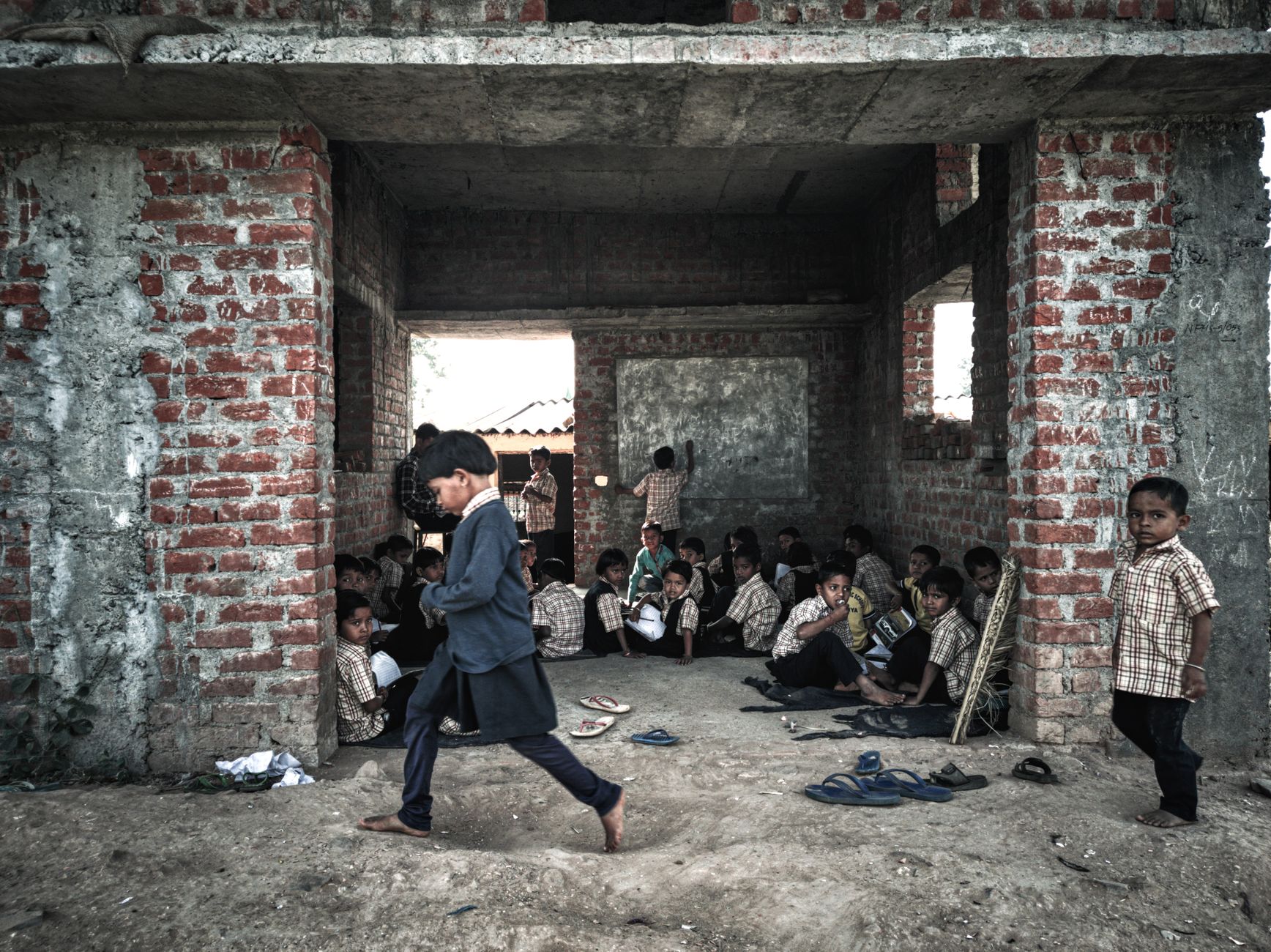
The pandemic exposed significant digital divides in Indian education. While initiatives like DIKSHA and PM eVIDYA made headway, bridging the technology access gap between urban and rural students remains paramount. Ensuring quality digital content and teacher training for blended learning approaches will be crucial priorities.
### Examination Reforms
With ongoing discussions about reforming competitive examinations including NEET and JEE, the ministry needs to balance meritocracy with inclusivity. The proposed Common University Entrance Test (CUET) also requires refinement based on initial implementation experiences.
Dharmendra Pradhan's Legacy
Outgoing minister Dharmendra Pradhan's tenure saw several notable initiatives including the operationalization of NEP 2020, expansion of IITs and AIIMS, introduction of CUET, and emphasis on skill development through integration with the education system. His successor will be expected to build upon these foundations while addressing emerging challenges.
What Stakeholders Expect
Educational institutions, students, and parents are looking to the new leadership for clarity on several fronts. Academia seeks greater autonomy and research funding, while students hope for more transparent and stress-free assessment systems. Parents and civil society organizations want improved learning outcomes, particularly at the foundational level where recent assessments have shown concerning gaps.
The teacher community expects better training opportunities, career progression pathways, and resolution of recruitment backlogs in various states. Additionally, there's anticipation around how the ministry will address faculty shortages in higher education institutions.
The Road Ahead
Pralhad Joshi's appointment comes at a pivotal moment when India aims to position itself as a global knowledge hub. The minister will need to balance competing priorities including expanding access, ensuring quality, promoting research and innovation, and making education more aligned with industry needs and entrepreneurship.
Success will require effective coordination with state governments, as education is a concurrent subject, along with sustained dialogue with all stakeholders. The ministry's ability to execute reforms while maintaining sensitivity to regional, linguistic, and socio-economic diversity will determine the impact of this leadership transition.
As the new Education Minister settles into his role, all eyes will be on how quickly he can grasp the sector's complexities and provide decisive leadership on policy matters that shape the future of millions of Indian students across schools, colleges, and universities nationwide.