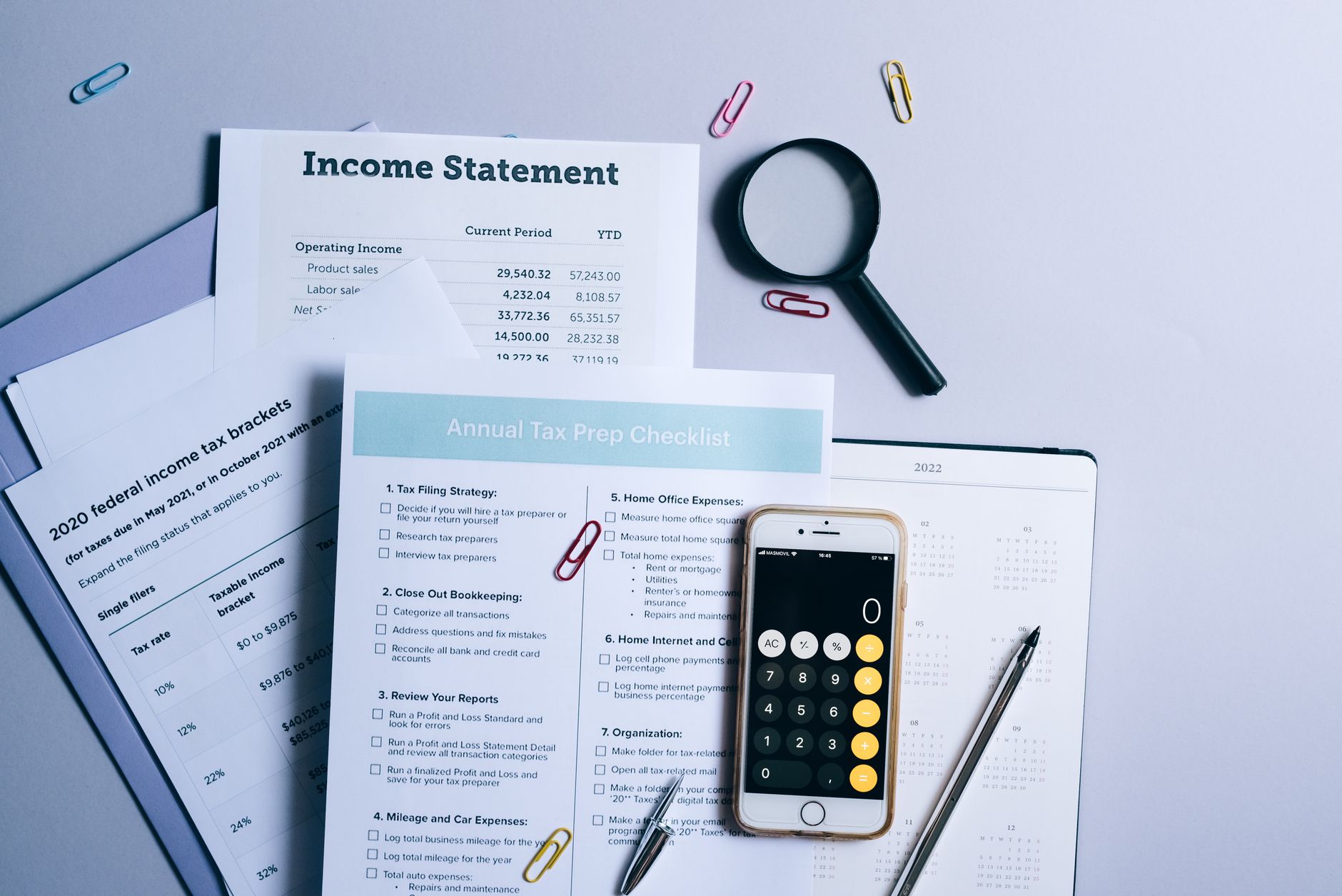
The income tax return filing season brings a unique set of considerations for individuals who have sold capital assets during the financial year. Whether you've traded stocks, sold property, or cashed out cryptocurrency investments, these transactions trigger capital gains tax obligations that must be accurately reported in your ITR.
Understanding Capital Gains
Capital gains arise when you sell a capital asset for more than its purchase price. The tax treatment depends on two critical factors: the type of asset and the holding period. Assets are classified as short-term or long-term based on how long you held them before selling, and this classification significantly impacts your tax liability.
For equity shares and equity mutual funds, the holding period threshold is 12 months. If you sell within 12 months, gains are short-term; beyond that, they're long-term. For other assets like property, gold, or debt mutual funds, the threshold is typically 24 months, though recent changes have standardized some holding periods.
Tax on Share Sale Transactions
When you sell equity shares listed on recognized stock exchanges, short-term capital gains (STCG) are taxed at 15 percent, regardless of your income tax slab. Long-term capital gains (LTCG) on equity shares exceeding Rs 1 lakh in a financial year are taxed at 10 percent without indexation benefit.
Key points to remember:
- Securities Transaction Tax (STT) must have been paid on both purchase and sale for concessional tax rates
- Intra-day trading profits are treated as business income, not capital gains
- Delivery-based transactions qualify for capital gains treatment
- Losses can be set off against other capital gains and carried forward for eight years
You must report these transactions even if your total income is below the taxable threshold, as the capital gains tax rates are specific and don't depend on your slab rate.
Property Sale Considerations
Selling immovable property involves complex tax calculations. Long-term capital gains on property sale benefit from indexation, which adjusts the purchase price for inflation, thereby reducing taxable gains. The indexed cost of acquisition and improvement are deducted from the sale price to arrive at taxable LTCG, which is then taxed at 20 percent.
Short-term gains from property sales are added to your income and taxed according to your applicable income tax slab.
Important exemptions available:
- Section 54: Exemption on investing LTCG in another residential property
- Section 54EC: Exemption on investing in specified bonds (up to Rs 50 lakh)
- Section 54F: Exemption when proceeds are invested in residential property
These exemptions have specific conditions regarding investment timelines and property usage that must be strictly followed.
Cryptocurrency Tax Implications
The 2022 Budget introduced specific tax provisions for virtual digital assets (VDAs), including cryptocurrencies. All gains from the sale or transfer of crypto assets are taxed at a flat 30 percent rate, regardless of the holding period. This represents one of the highest tax rates on any asset class.
Critical restrictions apply:
- No deduction allowed except the cost of acquisition
- Losses from crypto cannot be set off against any other income
- Losses cannot be carried forward to subsequent years
- A 1 percent TDS applies on crypto transactions exceeding specified thresholds
You must maintain detailed records of all cryptocurrency transactions, including dates, values, and counterparties, as the reporting requirements are stringent.
Which ITR Form to Use
The ITR form you need depends on your income sources and the nature of capital gains:
- ITR-2: For individuals with capital gains but no business income
- ITR-3: For individuals with business or professional income along with capital gains
Schedule CG (Capital Gains) must be filled out meticulously, with separate sections for short-term and long-term gains from different asset classes.
Documentation Requirements
Before filing your ITR, gather all relevant documents including sale deeds, contract notes from stock brokers, bank statements showing purchase and sale proceeds, and Form 16A if TDS was deducted. For property transactions, ensure you have completion certificates, possession letters, and payment receipts for any improvements made.
Missing or incorrect reporting of capital gains can lead to notices from the Income Tax Department, interest charges, and penalties. The department receives information about high-value transactions through its Annual Information Statement (AIS) system, making it essential to cross-verify your transactions with the data available in your AIS.
This article provides general information only and should not be considered professional tax advice. Tax laws are subject to change, and individual circumstances vary. Consult a qualified chartered accountant or tax advisor for guidance specific to your situation before filing your income tax return.