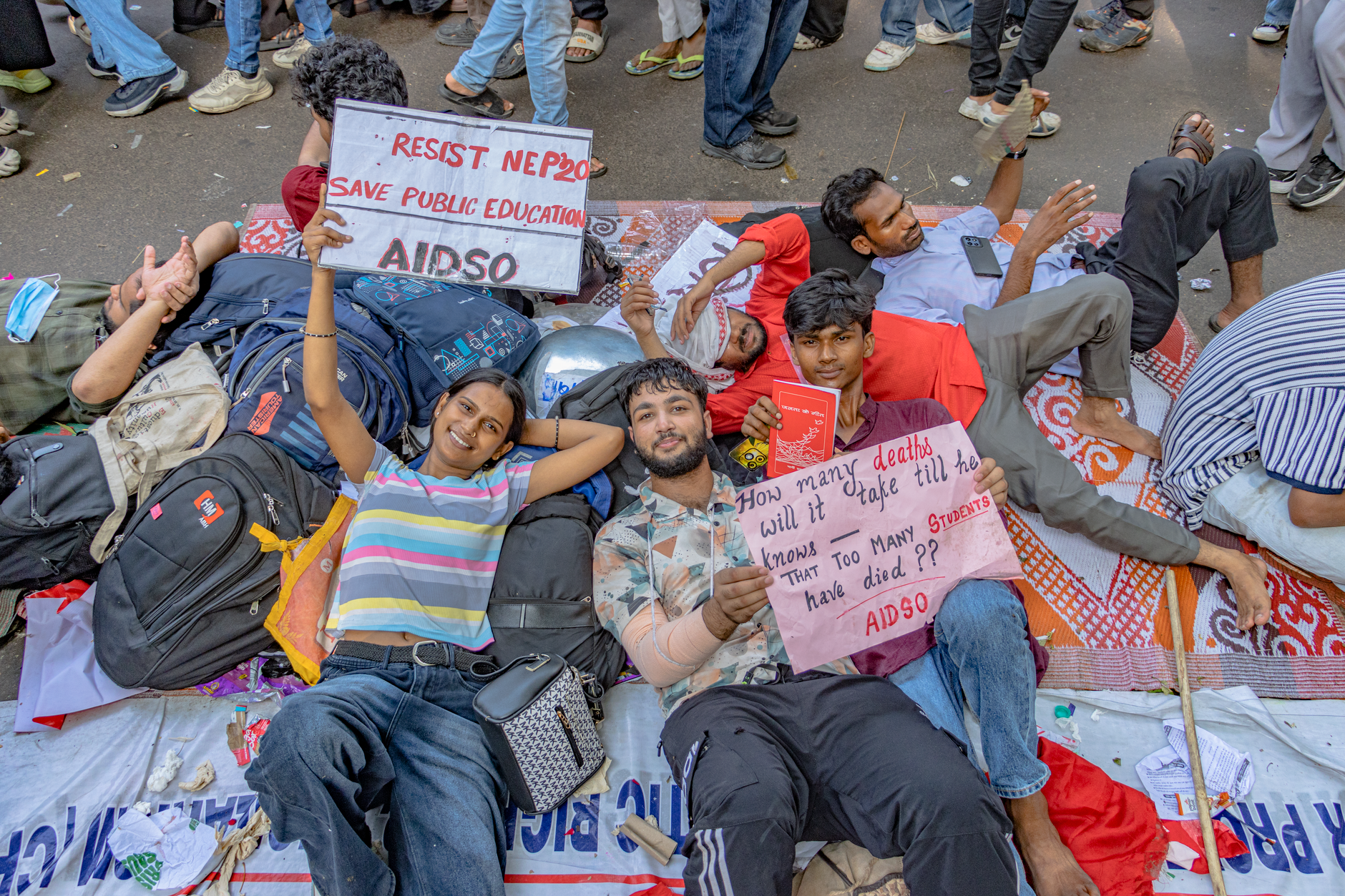
Student protests have long been a feature of India's democratic landscape, but recent demonstrations have captured national attention not just for their demands, but for the unusual way protesters have chosen to identify themselves. The movement has raised important questions about education policy, campus autonomy, and the boundaries of acceptable dissent in contemporary India.
Understanding the Context
The protests emerged from growing tensions on university campuses across India, where students have raised concerns about various education-related issues. These include changes to curriculum frameworks, examination policies, fee structures, and what many perceive as increasing restrictions on campus speech and assembly. The unusual self-identification as cockroaches appears to be a form of reclaiming a term that may have been used pejoratively, turning it into a symbol of resilience and persistence.
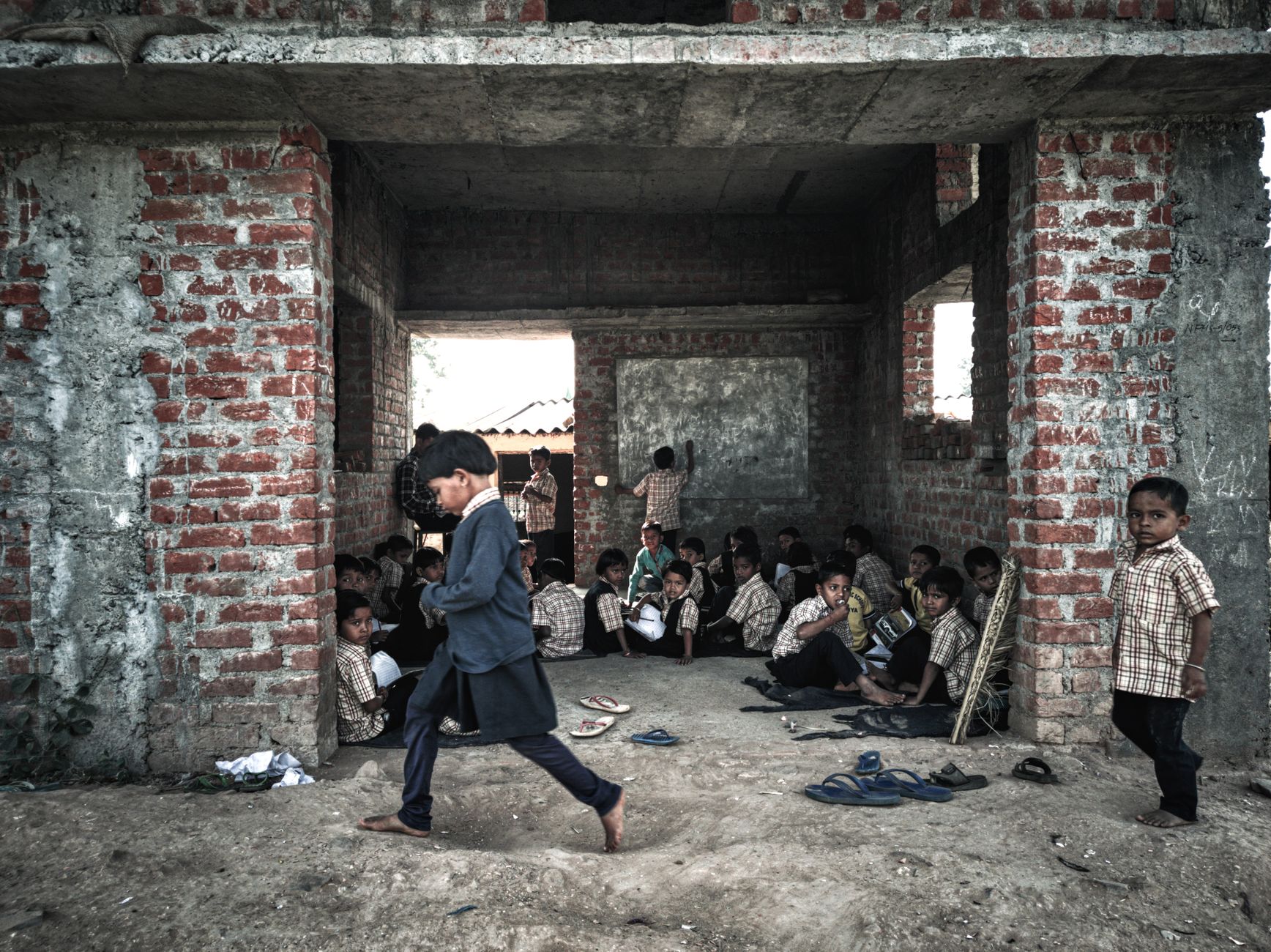
India's higher education sector serves over 40 million students across thousands of institutions, making it one of the world's largest education systems. When student movements gain momentum, they often reflect deeper anxieties about the direction of educational policy and youth aspirations.
Core Issues Driving Student Concerns
Several interconnected factors have contributed to rising campus activism:
- Implementation of new education policies that students argue were introduced without adequate consultation
- Concerns about privatization and commercialization of public universities
- Debates over curricular changes and the perceived politicization of educational content
- Rising tuition fees and reduced scholarship opportunities affecting access for economically disadvantaged students
- Questions about campus autonomy and university administration interference
Students have also raised concerns about what they perceive as diminishing space for open debate and critical thinking within educational institutions. Many argue that universities should serve as forums for diverse viewpoints and intellectual exploration, rather than spaces of conformity.
The Question of Dissent in Democratic Spaces
Universities have historically played a crucial role in India's democratic fabric, serving as incubators for social movements and political thought. From pre-independence activism to post-independence social reform movements, campuses have been sites where young Indians engage with pressing national questions.
The current tensions reflect broader societal debates about the nature and limits of dissent. Supporters of the student movements argue that peaceful protest is a constitutional right and essential to a healthy democracy. They contend that silencing student voices undermines the very purpose of education, which should encourage critical thinking and civic engagement.
Critics of the protests, meanwhile, suggest that demonstrations disrupt academic activities and that grievances should be addressed through established institutional channels rather than public agitation.
Impact on Academic Freedom
Academic freedom encompasses both the freedom to teach and research without interference, and the freedom of students to learn and express themselves. Many educators and civil society organizations have expressed concern that the current environment may be constraining this freedom.
International academic bodies and domestic educational associations have emphasized that robust debate and even disagreement are fundamental to the educational enterprise. The quality of education, they argue, depends on creating environments where inquiry can flourish without fear of reprisal.
Moving Forward: Finding Common Ground
As the immediate protests have dispersed, the underlying questions remain unresolved. Stakeholders across the spectrum acknowledge that India's education system faces genuine challenges that require thoughtful solutions:
- Ensuring quality education remains accessible across economic strata
- Balancing standardization with flexibility to meet diverse regional and student needs
- Creating transparent mechanisms for students and faculty to participate in policy decisions
- Maintaining campus environments conducive to both order and intellectual freedom
- Addressing graduate unemployment while preparing students for rapidly changing job markets
The Broader Implications
The student protests serve as a reminder that education policy cannot be divorced from larger questions about society's values and aspirations. In a young country where approximately 65 percent of the population is under 35 years of age, how educational institutions function has profound implications for democratic participation and economic development.
Whether these protests lead to meaningful dialogue and policy adjustments, or further entrenchment of positions, will shape not just campus life but India's broader civic culture in the years ahead. The challenge for all stakeholders—government, educational institutions, students, and civil society—is to find ways to address legitimate grievances while maintaining functional educational environments that serve India's diverse student population.
The conversations sparked by these protests will likely continue influencing education policy debates for years to come, regardless of any single movement's immediate outcome.