In a dramatic turn of events that has captured national attention, widespread student protests across India have come to an end following the resignation of the Education Minister. The demonstrations, which gained international media coverage and were nicknamed the 'cockroach protest' due to their unique symbolism and persistence, represent a significant moment in India's ongoing conversation about educational reform and accountability.
What Sparked the Protests
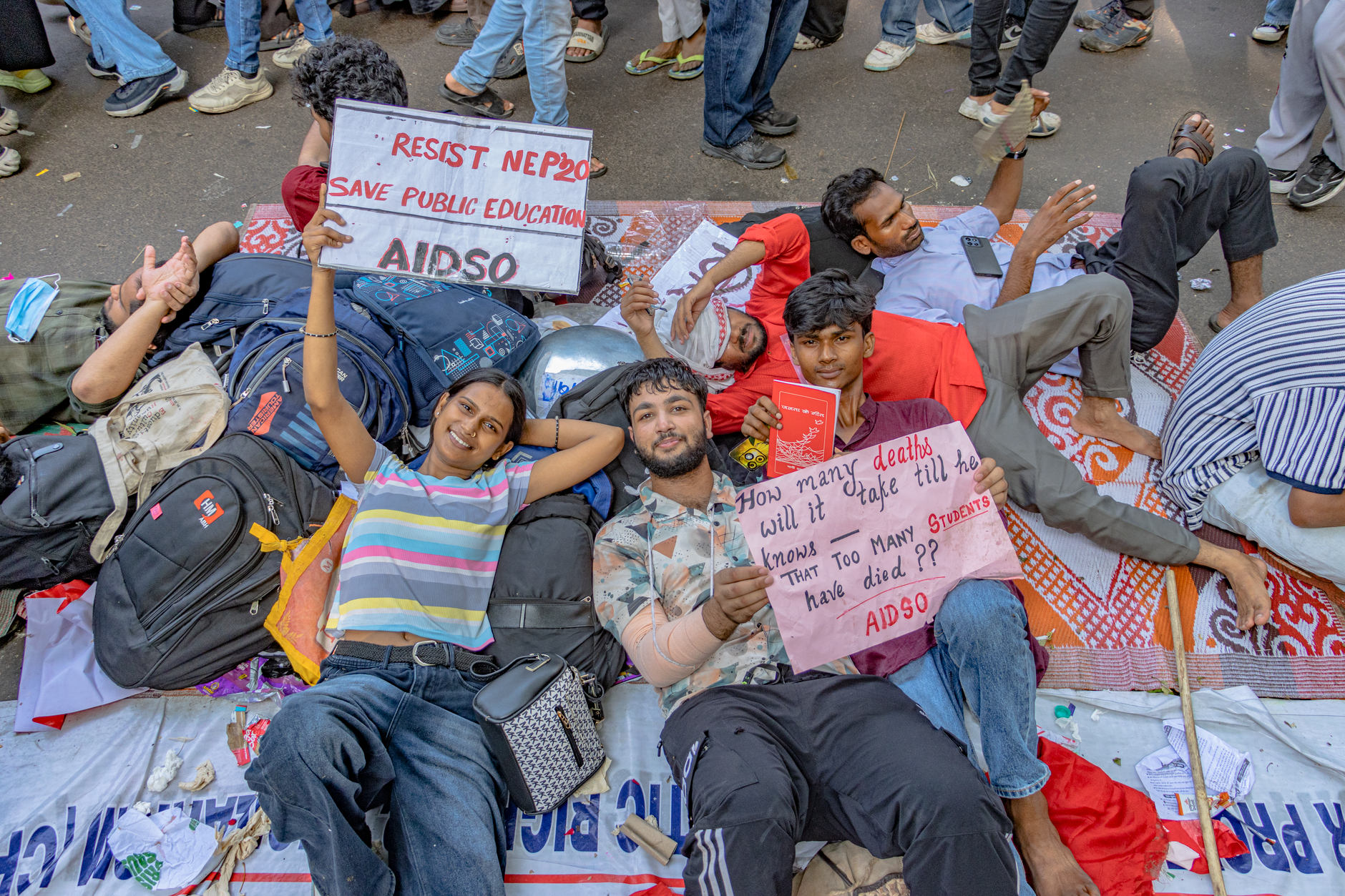
The student-led protests emerged from growing frustration within India's education community over various systemic issues plaguing the sector. Students, teachers, and educational activists united under a common banner to demand immediate action and accountability from the government. The movement gained momentum as it spread from university campuses to streets in major cities across the country, with participants using social media to coordinate and amplify their message.
The term 'cockroach protest' became associated with the demonstrations, though the exact origin and symbolism behind this moniker reflected both the protesters' determination to persist despite obstacles and their strategy of swarming public spaces to make their voices heard.
Key Demands of the Protesters
The demonstrators raised several critical concerns that resonated across India's educational landscape:
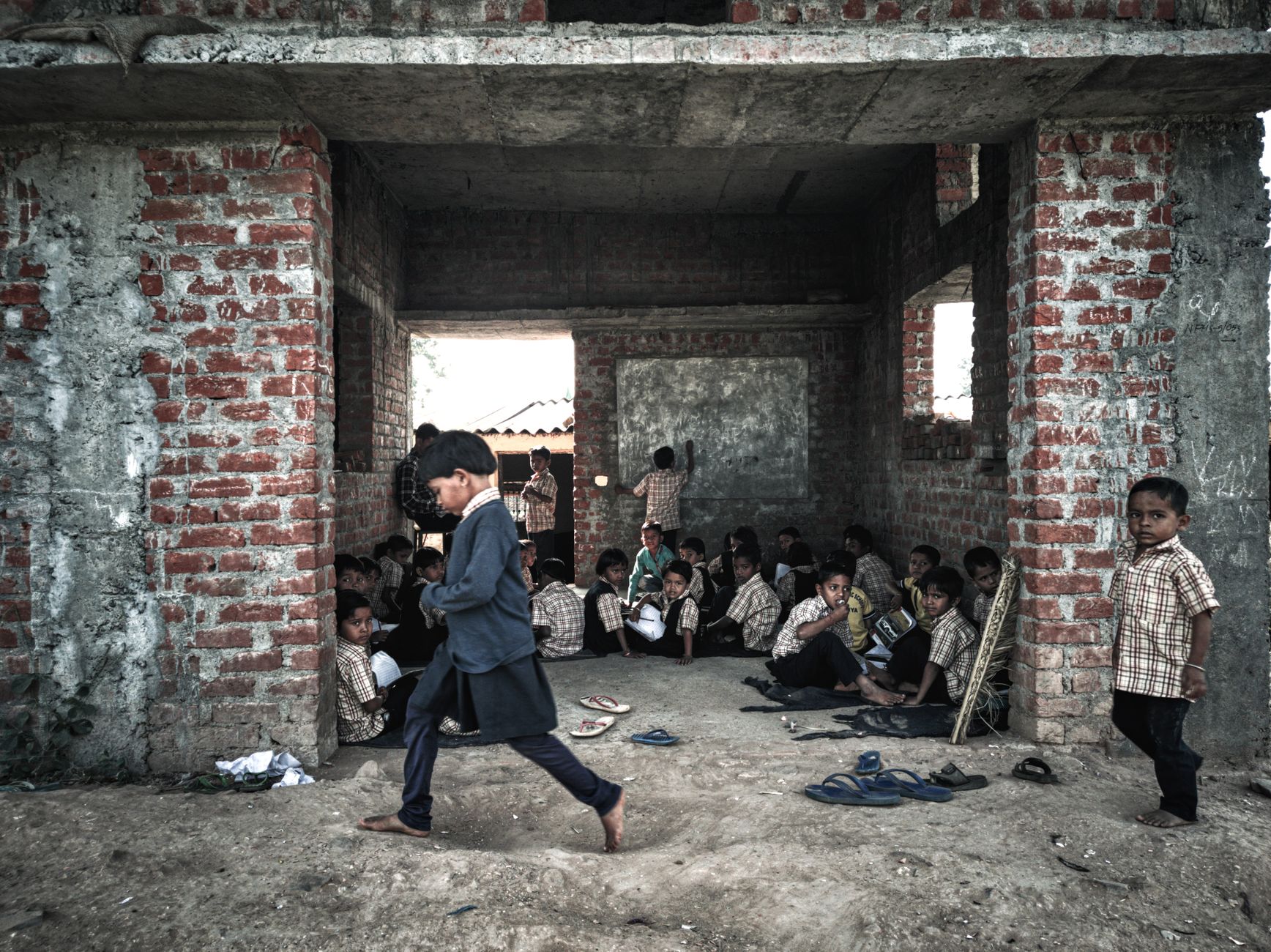
- Improved infrastructure and resources in government schools and universities
- Greater transparency in educational appointments and policy-making
- Resolution of long-pending issues regarding examination reforms
- Better implementation of reservation policies and inclusive education
- Increased funding for public education institutions
- Address concerns about paper leaks and examination irregularities
- Fair treatment of student grievances and institutional autonomy
The Minister's Resignation
The Education Minister's resignation marks a watershed moment in the protest movement. While resignations of cabinet ministers are not uncommon in Indian politics, this particular departure came directly in response to sustained public pressure and the inability to satisfactorily address the protesters' concerns.
The resignation was seen as an acknowledgment that the ministry had failed to adequately respond to legitimate grievances within the education sector. For protesters, it represented a rare instance where grassroots mobilization successfully held a senior government official accountable.
Impact on India's Education Sector
This development has broader implications for India's education system, which serves over 250 million students across schools and universities. The protests highlighted deep-seated structural issues that have accumulated over years of underfunding, policy inconsistencies, and administrative challenges.
The government now faces pressure to appoint a successor who can address these concerns more effectively and restore confidence among students, teachers, and parents. The new education minister will inherit a portfolio requiring urgent attention to examination reforms, infrastructure development, and the implementation of the National Education Policy.
Student Activism in Modern India
The successful conclusion of these protests demonstrates the growing power of student activism in India. Young people have increasingly used both traditional protest methods and digital platforms to organize and advocate for change. This movement joins a lineage of significant student-led demonstrations in India's democratic history.
Social media played a crucial role in coordinating protests, sharing real-time updates, and garnering public support. The protests also received backing from opposition political parties, civil society organizations, and concerned citizens who saw the movement as addressing genuine systemic failures.
What Happens Next
With the protests officially called off, attention now shifts to whether the government will implement concrete reforms to address the underlying issues. Protest leaders have indicated they will remain vigilant and are prepared to resume demonstrations if promises of reform are not fulfilled.
The education sector requires sustained attention beyond this immediate crisis. Issues such as infrastructure gaps, teacher shortages, quality concerns, and equitable access to education remain persistent challenges requiring long-term policy commitment and adequate resource allocation.
The success of this protest movement may also embolden other groups facing similar grievances in different sectors to organize and demand accountability from government institutions.
Conclusion
The resolution of the 'cockroach protests' through the Education Minister's resignation represents both an ending and a beginning. While protesters achieved their immediate objective, the real test lies in whether this moment catalyzes meaningful, lasting reform in India's education system. The government's response in the coming months will determine whether this was merely a political sacrifice or the start of genuine transformational change in how India approaches education policy and administration.