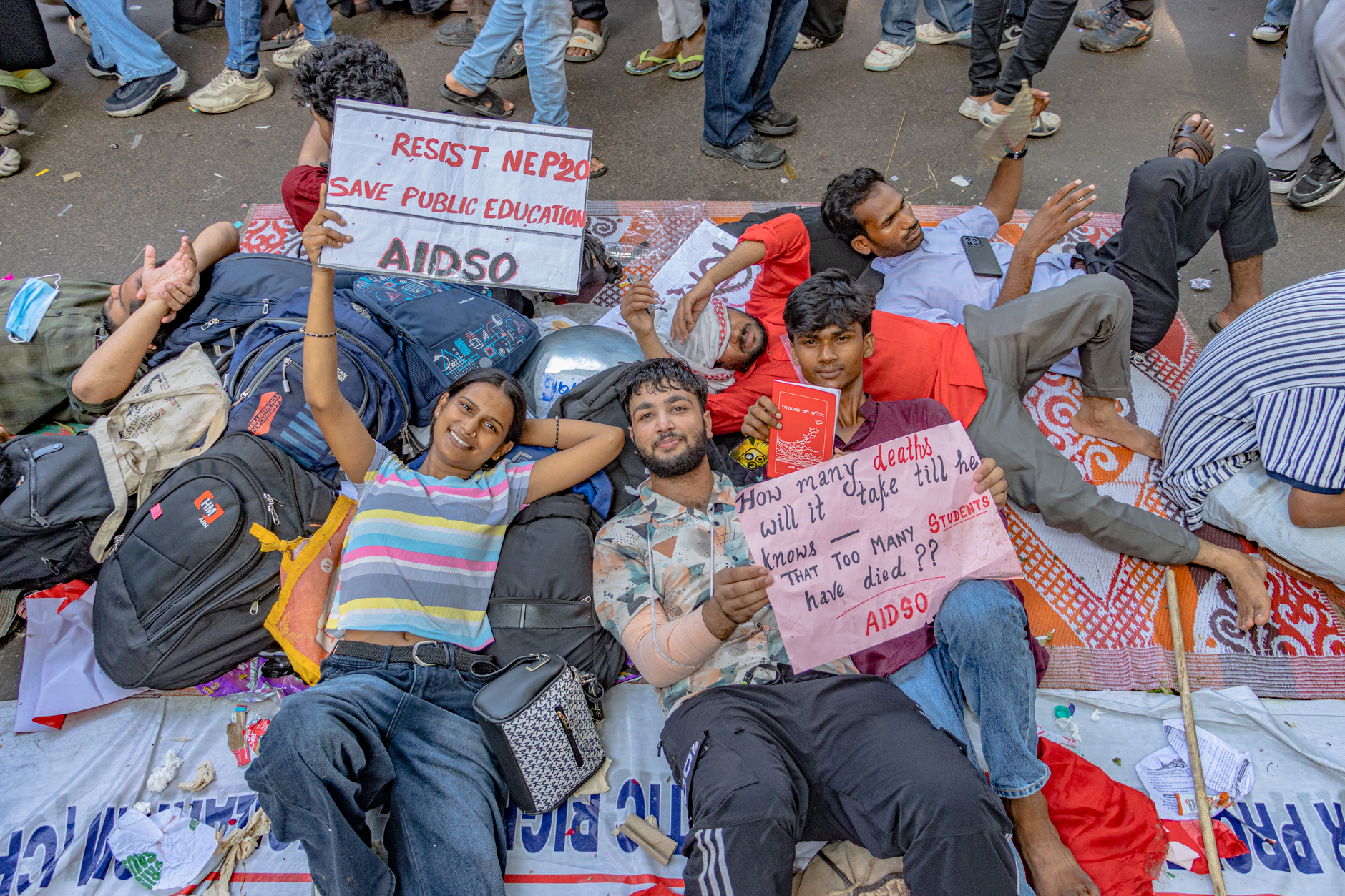
The recent sacking of a state education minister in India has marked a significant victory for student activists, but it has also raised questions about the future direction of the so-called 'Cockroach' movement and what it means for educational reform across the country.
Understanding the 'Cockroach' Movement
The 'Cockroach' movement represents a new wave of student activism in India, characterized by persistent, decentralized protests that refuse to be easily suppressed. The name itself reflects the resilience of cockroaches—insects known for their ability to survive in harsh conditions and adapt to various environments. Student protesters have embraced this metaphor, suggesting that their movement cannot be easily stamped out despite official attempts to dismiss or ignore their concerns.
Unlike traditional student movements that often center around specific institutions or cities, the 'Cockroach' protests have demonstrated a remarkable ability to spread organically across different states and educational institutions. Students have utilized social media platforms and messaging apps to coordinate protests, share grievances, and build solidarity networks that transcend geographical boundaries.
Key Demands and Grievances
The movement has coalesced around several core issues affecting India's education sector. Primary among these concerns is the demand for greater accountability in educational administration, particularly regarding infrastructure development, faculty appointments, and resource allocation. Students have documented instances of corruption, nepotism, and mismanagement within educational institutions.
Other significant demands include:
- Improved campus infrastructure and maintenance of existing facilities
- Transparent admission and examination processes
- Better safety measures, particularly for female students
- Increased funding for public educational institutions
- Reform of outdated curricula to match contemporary job market needs
- More democratic participation in institutional decision-making processes
The Minister's Dismissal: Catalyst or Conclusion?
The education minister's removal from office represents a rare instance of student activism directly resulting in political consequences. However, activists and education experts are divided on whether this represents genuine progress or merely a symbolic gesture designed to diffuse tensions without addressing systemic issues.
Some view the dismissal as validation of the movement's methods and proof that sustained pressure can force governmental accountability. Others worry that replacing one minister without implementing structural reforms merely kicks the can down the road while allowing officials to claim they have addressed student concerns.
Challenges Ahead for Student Activists
Despite this apparent victory, the 'Cockroach' movement faces several significant obstacles in maintaining momentum and achieving lasting change. The decentralized nature that gives the movement its resilience also makes it difficult to present unified demands or negotiate effectively with authorities.
Additionally, student movements in India have historically struggled to maintain cohesion once immediate crises pass or academic schedules resume. The cyclical nature of student populations—with graduating classes leaving and new students arriving—can dilute institutional memory and weaken organizational capacity.
Broader Implications for Indian Education
The emergence of this movement reflects deeper structural problems within India's education system. Despite being home to some of the world's premier institutions, India's educational sector struggles with vast disparities in quality, accessibility, and resources between elite and public institutions.
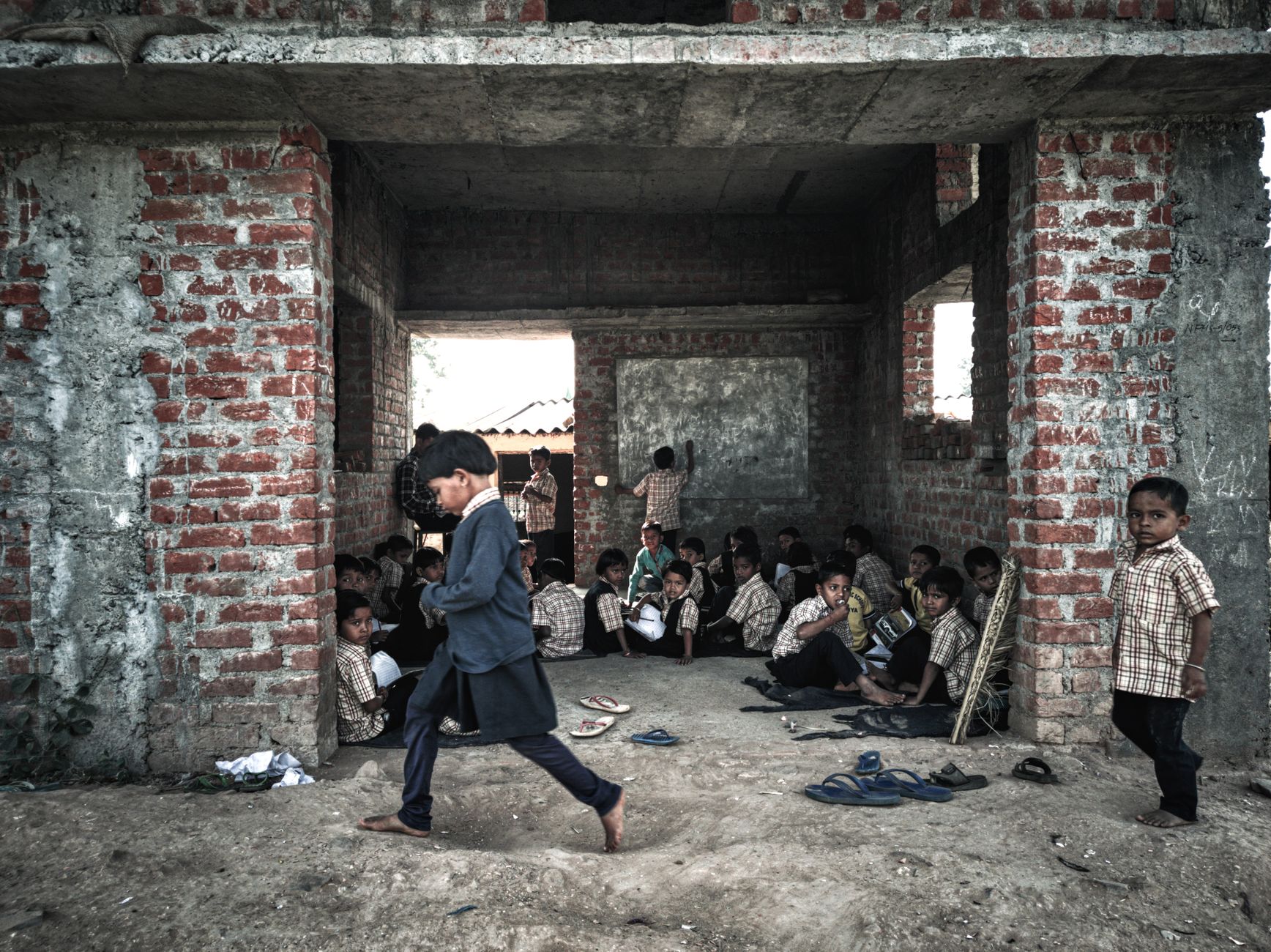
The movement has highlighted how these systemic issues affect students' daily lives, from crumbling infrastructure to lack of basic amenities. It has also drawn attention to the disconnect between educational outcomes and employability, with many graduates finding themselves ill-prepared for competitive job markets.
What Comes Next
The movement's future likely depends on its ability to transition from protest to policy engagement. Some student leaders have called for the creation of formal consultation mechanisms that give students meaningful input into educational governance. Others advocate for continued pressure through demonstrations and social media campaigns.
Educational reform advocates suggest that the movement should focus on specific, achievable goals that can serve as benchmarks for progress. These might include mandatory infrastructure audits, grievance redressal systems, or student representation on administrative bodies.
The 'Cockroach' movement has already demonstrated that student voices can force political change even in India's complex bureaucratic environment. Whether it can translate this protest energy into sustained institutional reform remains to be seen, but it has undeniably shifted the conversation about educational accountability and student rights in India.