India's tourism sector is witnessing a strategic overhaul as the government unveils a comprehensive package of investment incentives aimed at positioning the country's southern states as premier luxury resort destinations. This ambitious initiative targets global hotel chains and marks a significant shift in how India competes in the international hospitality market.
Understanding the New Investment Framework
The government's latest strategy focuses on creating a favorable ecosystem for international hospitality brands to establish luxury properties across southern India. These incentives reportedly include tax breaks, expedited land acquisition processes, and infrastructure support that addresses long-standing concerns of global investors. The emphasis on southern states reflects their existing tourism potential, coastal attractions, and relatively developed infrastructure that can support high-end resorts.
For travelers, this development signals an upcoming transformation in accommodation options. The entry of established international luxury brands means access to world-class amenities, internationally recognized service standards, and loyalty program benefits that Indian travelers increasingly seek when planning domestic holidays.
Why Southern States Are the Focus
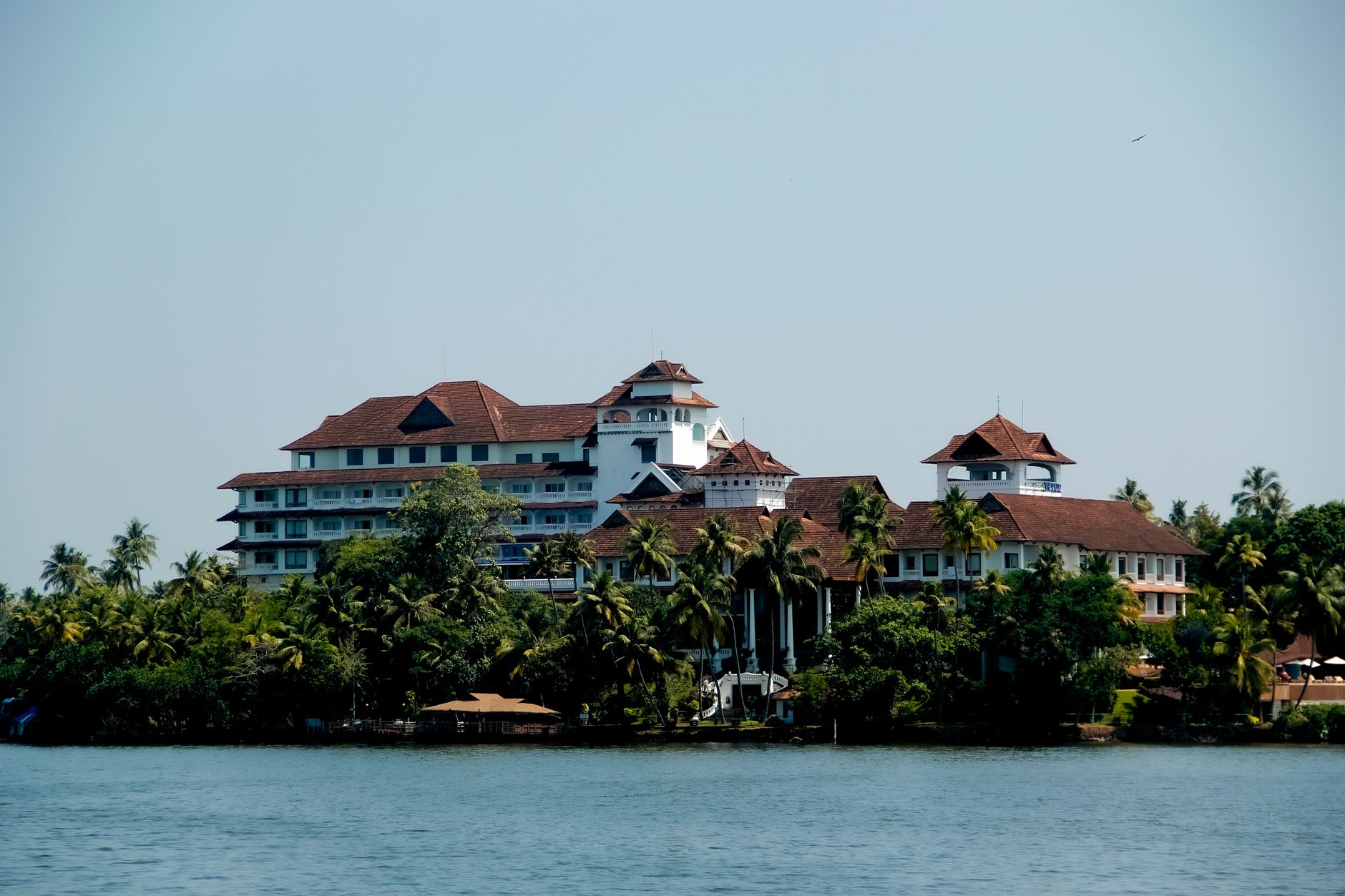
The southern region of India offers distinct advantages that make it attractive for luxury resort development. States like Kerala, Karnataka, Tamil Nadu, and Goa already boast natural attractions ranging from pristine beaches to lush backwaters and hill stations. However, the luxury hospitality infrastructure has historically lagged behind international standards in many areas.
By concentrating incentives in these states, the government aims to create hospitality clusters that can compete with established Asian destinations like Thailand, Bali, and the Maldives. This geographic focus allows for concentrated infrastructure development, including improved airport connectivity, road networks, and tourism support services that benefit the entire region.
Impact on Travel Costs and Options
The influx of global hotel chains will likely create a more competitive hospitality market in southern India. While luxury resorts will cater to premium segments, increased competition typically leads to better pricing across categories. Established chains often bring standardized pricing structures and transparent booking systems that can make luxury travel more accessible to upper-middle-class Indian travelers.
Additionally, international brands usually introduce comprehensive training programs for local staff, raising service quality standards across the hospitality sector. This ripple effect can improve the overall travel experience even at mid-range properties that compete for the same talent pool.
What Travelers Should Expect by 2026
The 2026 timeline suggests that significant developments will be visible within the next two years. Travelers planning future holidays to southern India can anticipate:
- Expanded choices in beachfront and resort properties with international brand recognition
- Improved tourism infrastructure around new resort clusters
- Better integration of sustainable tourism practices, as global chains increasingly adopt environmental standards
- Enhanced experiences combining luxury accommodation with local cultural elements
- More competitive pricing in the luxury segment due to increased supply
- Improved connectivity to previously underserved tourist destinations
Considerations for Travel Planning
While these developments promise enhanced options, travelers should consider several factors when planning trips to newly developed resort areas. Construction timelines can be unpredictable, so verify property completion dates before booking well in advance. Newly established resorts may take time to work out operational issues, so reading recent reviews becomes crucial.
The focus on luxury development might also accelerate tourism in previously quieter destinations, potentially changing their character. Travelers seeking undiscovered, tranquil locations should explore these areas before major development occurs, while those preferring well-serviced luxury should wait for the new properties to open.
Economic and Employment Implications
Beyond traveler benefits, this initiative represents a significant employment opportunity in the hospitality sector. Global hotel chains typically invest in extensive training programs, creating skilled jobs in hospitality management, culinary arts, and tourism services. This human capital development can elevate India's position in the global tourism market.
The strategy also reflects India's ambition to capture a larger share of the global luxury travel market, which has shown strong growth post-pandemic. By offering investment incentives now, India positions itself to benefit from the projected growth in international tourism through the remainder of the decade.
Looking Beyond Luxury
While the current focus is on luxury resorts, such developments often catalyze broader tourism infrastructure improvements. Enhanced airports, better roads, and improved local services developed to support high-end resorts eventually benefit all travelers, regardless of budget. This inclusive growth pattern has been observed in other tourism-focused regions globally.
The success of this initiative will ultimately depend on balancing development with environmental sustainability and cultural preservation—factors that increasingly matter to conscientious travelers choosing their destinations.