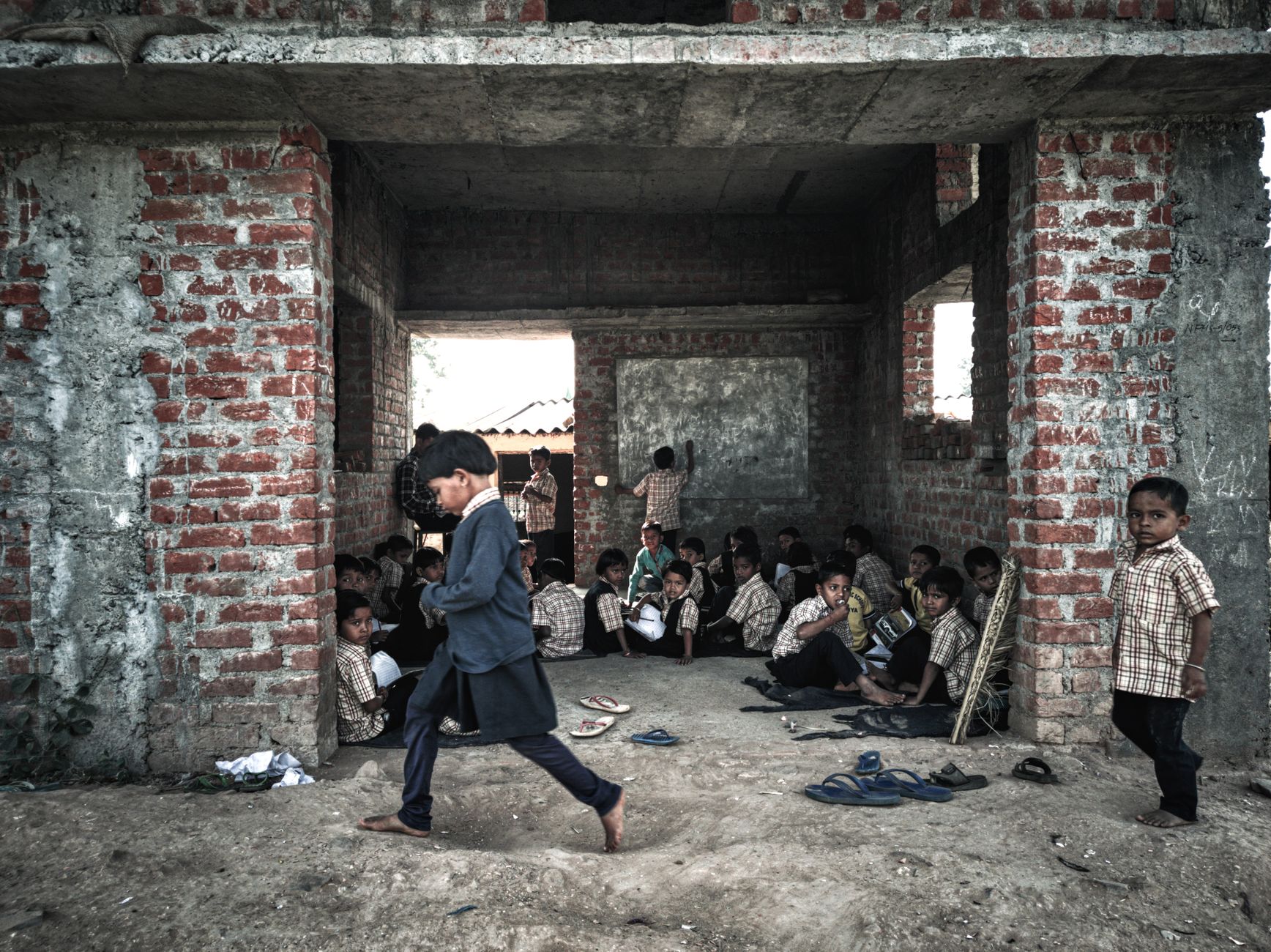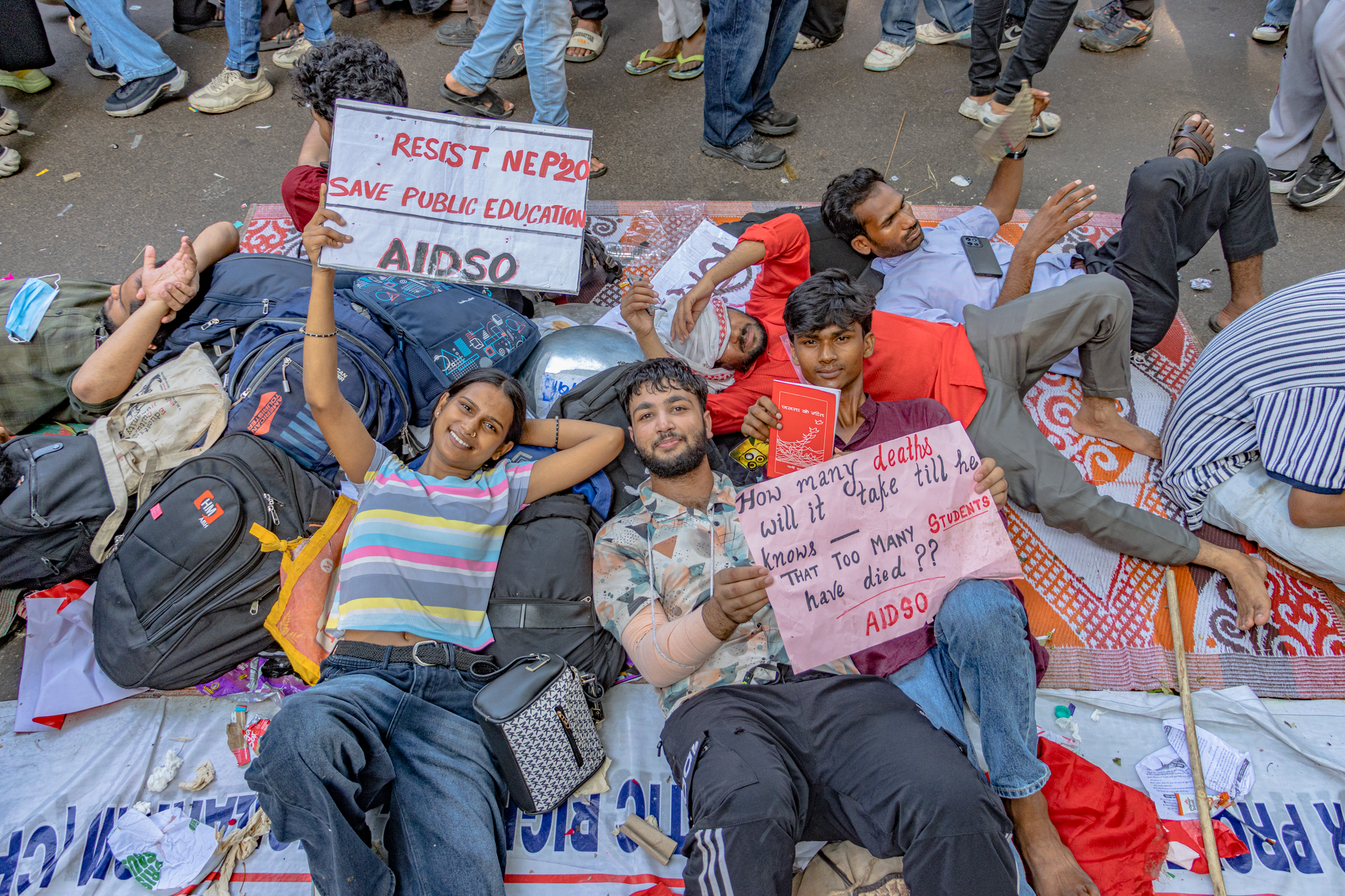
India's Generation Z is experiencing unprecedented levels of frustration with an education system that millions feel has failed to prepare them for meaningful careers. The anger stems from a perfect storm of outdated curricula, extreme competition for limited opportunities, and recurring examination scandals that have eroded trust in merit-based advancement.
The Pressure Cooker of Competitive Exams
India's education system funnels millions of students through a gauntlet of high-stakes competitive examinations. From engineering entrance tests like JEE to civil services exams like UPSC, these assessments determine access to prestigious institutions and government jobs. The competition is staggering—typically, fewer than 2% of applicants secure admission to top institutions, with some exams seeing acceptance rates below 0.1%.
This intense competition has created an entire industry of coaching centres, with students often spending years and lakhs of rupees preparing for a single examination. Many young Indians report that their entire teenage years and early twenties revolve around exam preparation rather than actual learning or skill development.
Paper Leaks and Systemic Failures
Recent years have witnessed a disturbing pattern of examination paper leaks and irregularities. Major national-level exams have been compromised, forcing re-tests and leaving honest students feeling cheated. These incidents have sparked widespread protests and raised fundamental questions about fairness in India's meritocratic promise.
When exam papers are leaked or question banks are sold to wealthy students, the entire premise of equal opportunity collapses. For students from modest backgrounds who invest everything in preparation, these scandals represent not just administrative failures but betrayals of their aspirations.
The Jobs Crisis
Even students who successfully navigate the examination maze often find limited opportunities awaiting them. India needs to create roughly 10-12 million jobs annually to absorb new workforce entrants, but job creation has struggled to keep pace. Government positions, once considered secure career paths, have become increasingly scarce.
The result is a phenomenon of overqualification and underemployment. Engineering graduates drive auto-rickshaws, postgraduates compete for clerical positions, and PhD holders remain jobless for years. This mismatch between educational credentials and available opportunities fuels deep resentment among young Indians who followed the prescribed path to success.
Outdated Curricula and Rote Learning
Many students complain that India's education system emphasizes memorization over critical thinking and practical skills. Curricula often lag behind industry requirements, leaving graduates unprepared for modern workplaces. The focus remains on theoretical knowledge and exam performance rather than creativity, problem-solving, or entrepreneurship.
- Students spend years memorizing textbook answers without developing analytical abilities
- Practical skills and vocational training receive inadequate emphasis
- Industry partnerships with educational institutions remain limited
- Teaching methods often prioritize test scores over genuine understanding
The Mental Health Toll
The pressure has severe psychological consequences. India has among the world's highest student suicide rates, with exam-related stress cited as a major factor. Students describe feeling like their entire worth depends on entrance exam ranks, creating anxiety, depression, and sometimes tragic outcomes.
Coaching centre towns like Kota have become symbols of this crisis, where teenagers live away from families in single-minded exam focus. The mental health infrastructure to support these students remains woefully inadequate.
Calls for Reform
Young Indians are increasingly vocal about demanding systemic changes. They advocate for education policies that emphasize skill development, multiple evaluation methods beyond single exams, and greater alignment between education and employment. There are growing calls for decentralizing opportunities beyond a handful of elite institutions.
Some positive developments include the National Education Policy 2020, which promises multidisciplinary learning and reduced exam pressure. However, implementation remains slow and uneven across states. Students want to see faster, more concrete changes that address immediate concerns about fairness, opportunity, and the relevance of their education.
The frustration among India's Gen Z represents more than youthful impatience—it reflects legitimate grievances about an education system struggling to serve the world's largest youth population. How these concerns are addressed will shape India's demographic dividend and social stability for decades to come.
This article is for general informational purposes only and does not constitute career or educational counselling. Readers should consult qualified professionals for specific guidance regarding educational and career decisions.