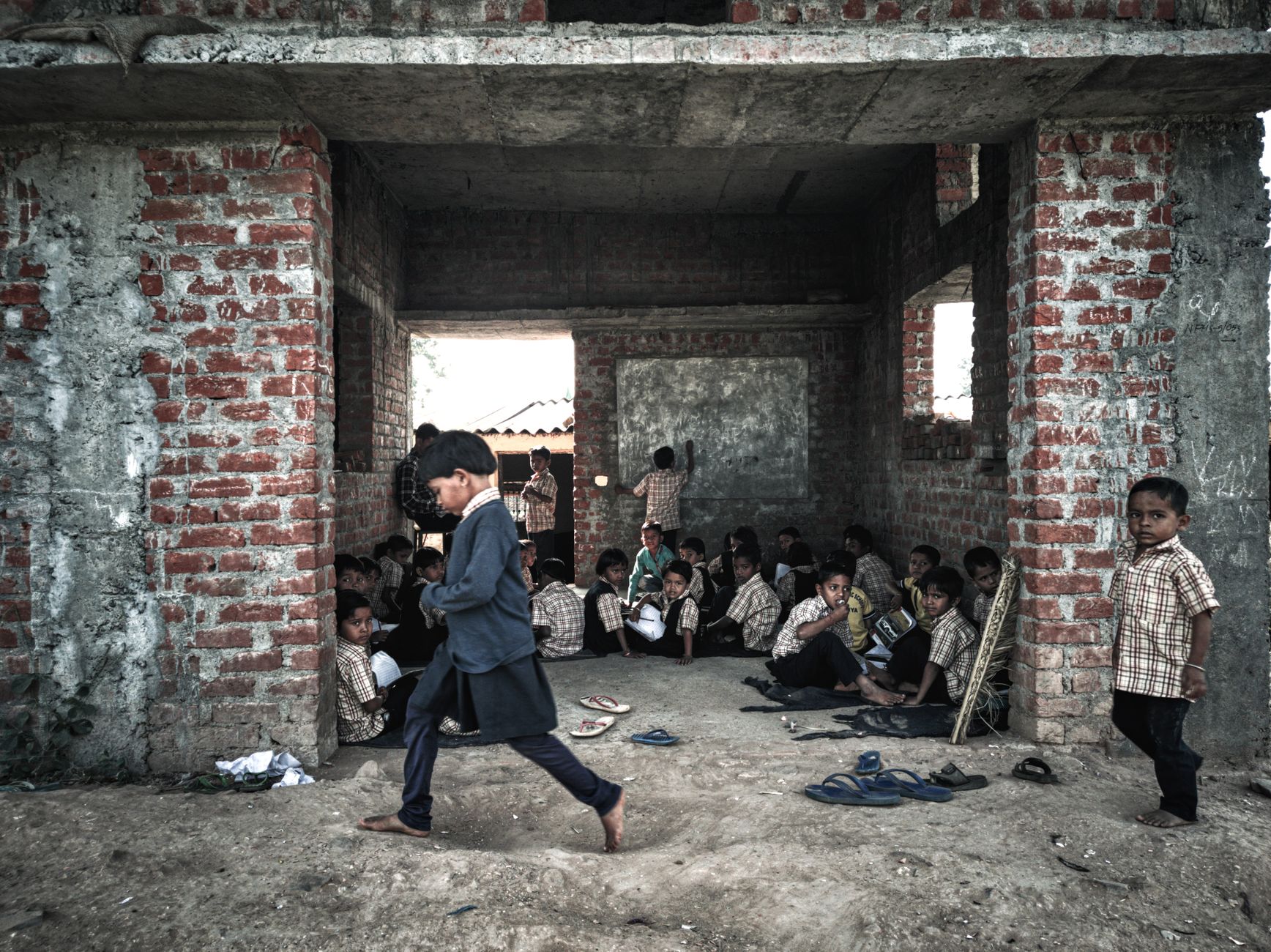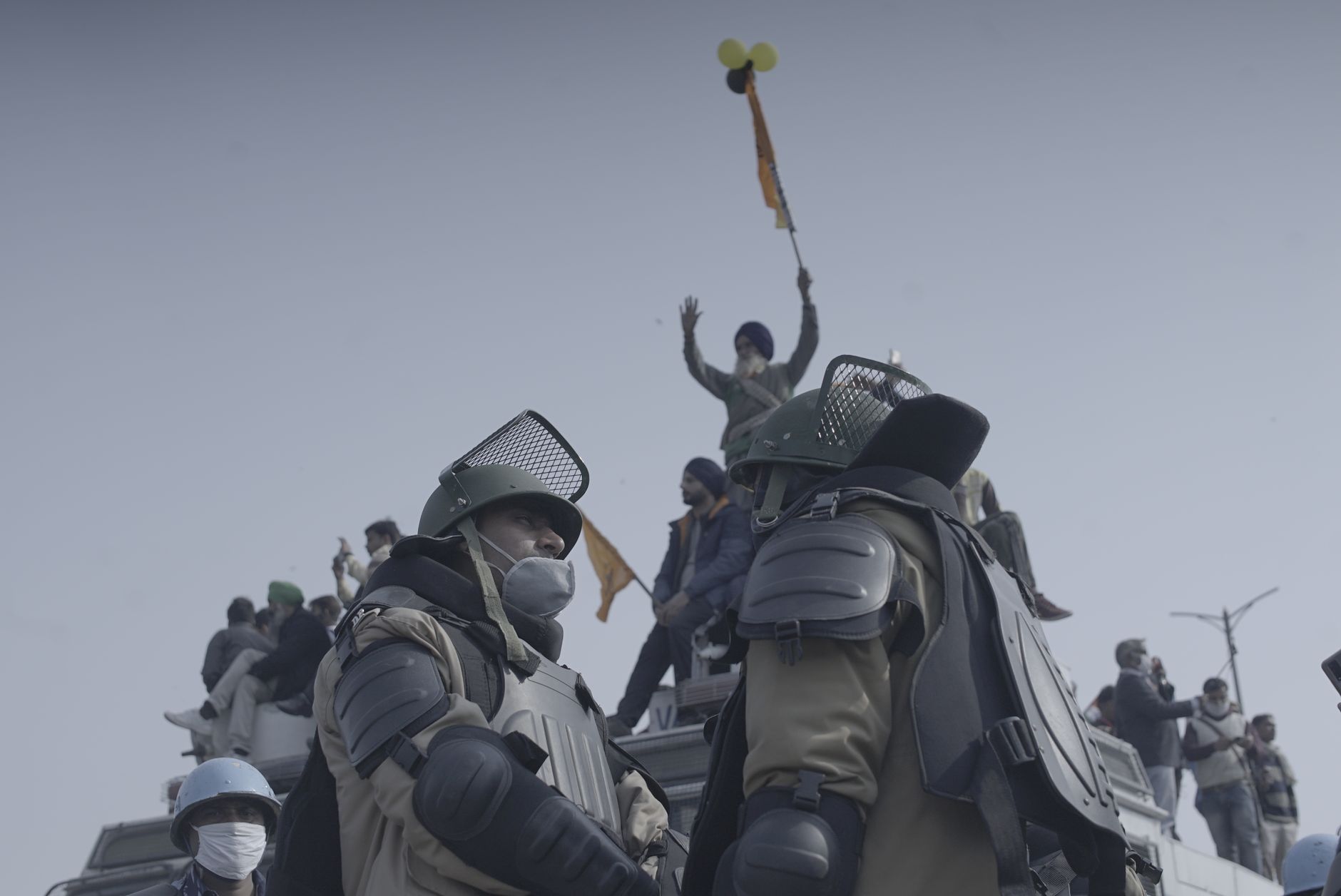
India's competitive examination system, long considered both a pathway to opportunity and a source of immense pressure, has become the focal point of intense student protests. Recent demonstrations involving prolonged hunger strikes underscore the growing frustration among young Indians navigating an education system that many argue prioritizes rote memorization over genuine learning and places unrealistic burdens on students.
The Structure of India's Examination System
India's education landscape is dominated by high-stakes examinations at multiple levels. The Central Board of Secondary Education (CBSE) and various state boards conduct school-leaving exams, while entrance tests like the Joint Entrance Examination (JEE) for engineering, the National Eligibility cum Entrance Test (NEET) for medical courses, and the Union Public Service Commission (UPSC) exams for civil services determine access to prestigious institutions and careers.
These examinations often serve as gatekeepers to upward mobility in a country where competition is fierce and opportunities are limited. Millions of students appear for these tests annually, with acceptance rates at top institutions sometimes falling below one percent.
Common Grievances Driving Protests
Several recurring issues have sparked student activism and hunger strikes in recent years. Examination paper leaks have repeatedly compromised the integrity of major tests, forcing re-examinations and causing enormous stress and financial burden for students who have spent months or years preparing.
Technical glitches during computer-based tests have also generated widespread complaints, with students reporting system crashes, incorrect question papers, and evaluation errors. When such problems occur, the lack of transparent grievance redressal mechanisms leaves students feeling helpless.
The immense psychological pressure associated with these exams cannot be overstated. The single-attempt nature of many crucial tests, combined with societal and familial expectations, has contributed to alarming rates of student depression and suicide. The Kota coaching hub in Rajasthan, where thousands of students prepare for competitive exams, has become synonymous with this mental health crisis.
Recent Protest Movements
Students have increasingly turned to hunger strikes and public demonstrations when they feel their concerns are being ignored. These protests typically demand exam cancellations following paper leaks, policy reforms to make examinations more equitable, additional attempts or grace periods for students affected by technical issues, and better mental health support infrastructure.
The duration and intensity of these protests reflect the desperation many students feel. A two-week hunger strike represents not just physical sacrifice but also lost study time, making such actions particularly significant when undertaken by students preparing for competitive exams.
Systemic Issues Behind the Crisis
Critics argue that India's examination system reflects deeper structural problems. The overwhelming emphasis on memorization over critical thinking fails to prepare students for modern workplace demands. The limited number of quality educational institutions means that gatekeeping through brutal competitive exams becomes inevitable.
Economic inequality further exacerbates these issues. Wealthy students can afford expensive coaching classes, multiple attempt fees, and travel to examination centers, while economically disadvantaged students face significant barriers to equal participation.
Calls for Reform
Educational experts and student organizations have proposed various reforms. These include implementing multiple smaller assessments throughout the academic year rather than single high-stakes exams, expanding capacity at quality institutions to reduce cutthroat competition, introducing standardized testing with multiple annual attempts, and strengthening vocational and skill-based education pathways as alternatives to traditional academic routes.
Some states have experimented with reforms, but systemic change at the national level remains elusive. Political will, bureaucratic resistance, and the sheer scale of India's education system make comprehensive reform challenging.
The Broader Context
Student protests through hunger strikes tap into India's long tradition of civil disobedience and non-violent resistance. However, the fact that young people feel compelled to endanger their health to be heard raises troubling questions about the responsiveness of educational authorities and policymakers.
The examination crisis also reflects India's demographic reality as a young nation where educational credentials remain the primary vehicle for social advancement. Until alternative pathways to success gain wider acceptance, the pressure on traditional examinations will likely continue to intensify.
As India positions itself as a global economic power, the effectiveness and equity of its education system will significantly impact its future human capital development and social cohesion.