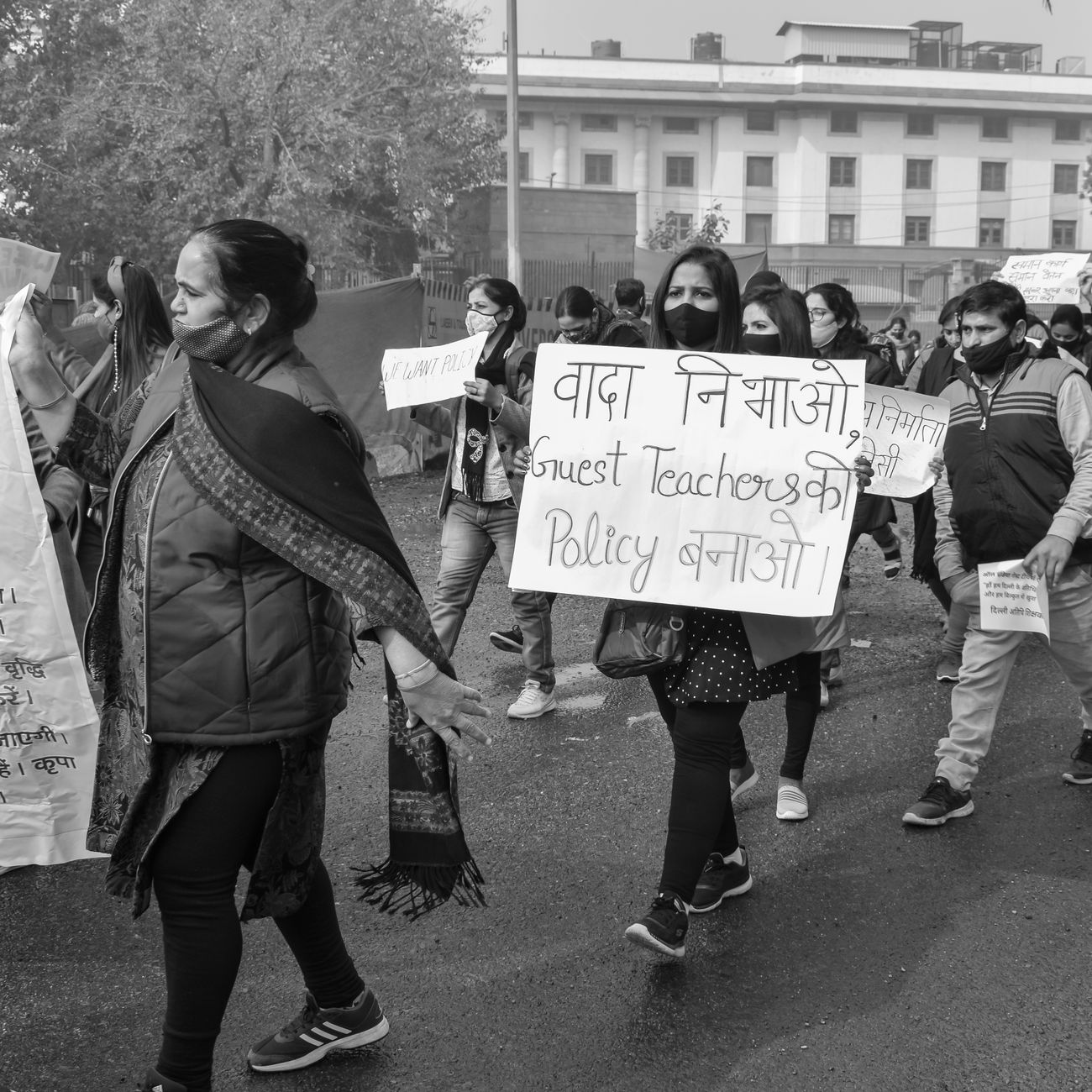
The resignation of a high-ranking education minister in India has become a focal point of national attention, with widespread protests culminating in scenes of celebration across various cities. This development highlights growing concerns about educational governance, policy implementation, and accountability in the country's education system.
Understanding the Context
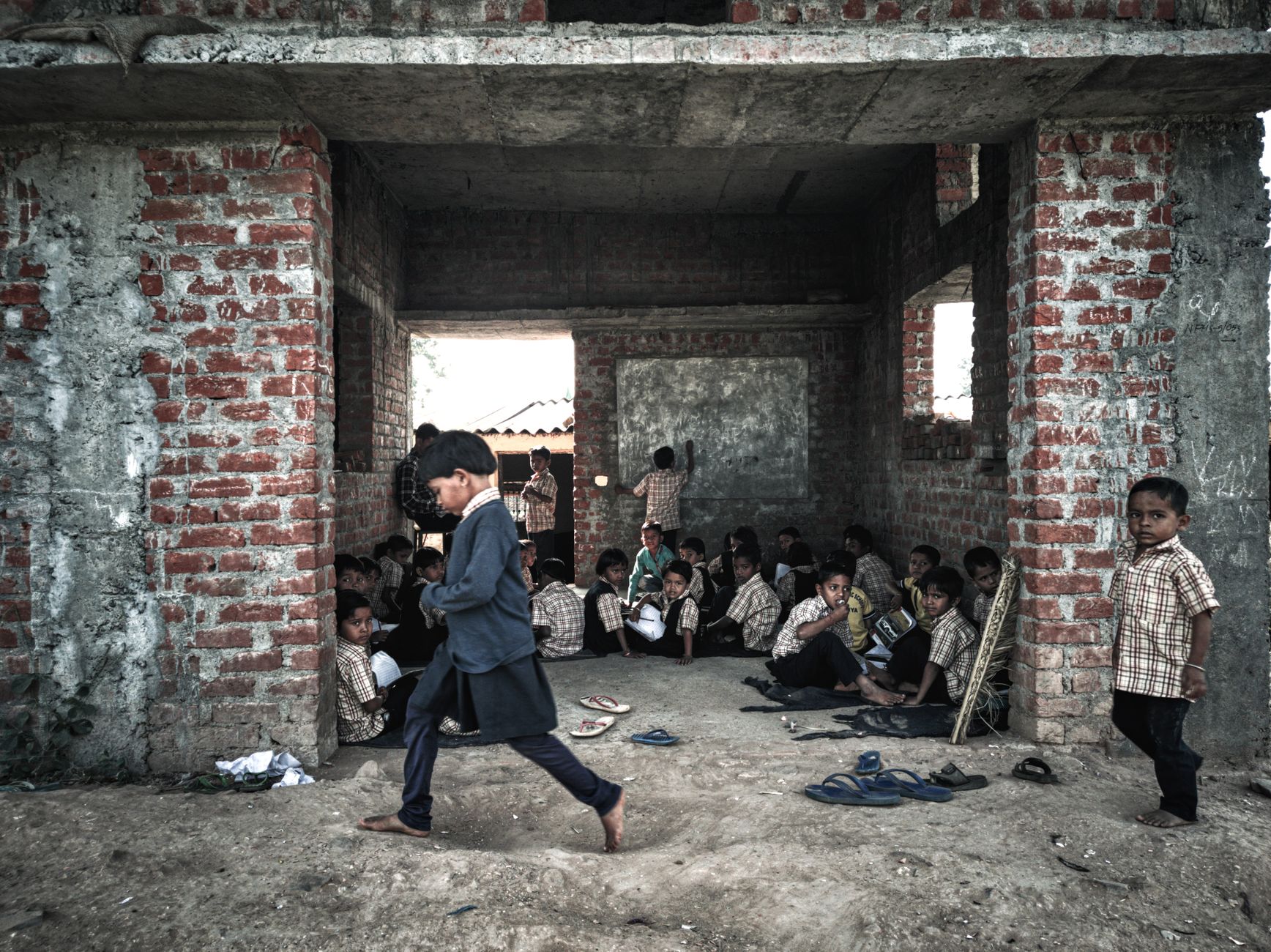
India's education sector has been under intense scrutiny in recent years, facing challenges ranging from infrastructure gaps to curriculum controversies. The education ministry oversees policies affecting over 250 million students across schools and universities, making it one of the most influential government departments. When concerns about governance arise at this level, they tend to resonate deeply with students, parents, educators, and civil society organizations.
Protests demanding ministerial resignations typically emerge when there is perceived mismanagement, policy failures, or controversies that affect large sections of the population. In the education sector, such issues can include examination irregularities, changes to curriculum content, funding allocations, or administrative decisions affecting educational institutions.
Common Triggers for Education Protests in India
Several recurring issues tend to mobilize students and education stakeholders across India:
- Examination paper leaks or irregularities that compromise the integrity of competitive exams
- Sudden curriculum changes perceived as politically motivated or academically unsound
- Fee hikes in public universities and educational institutions
- Delays in releasing scholarship funds or student financial assistance
- Appointment controversies in academic institutions
- Infrastructure and safety concerns in educational campuses
The Power of Student Movements
Student protests have historically played a significant role in Indian democracy. From the pre-independence era to contemporary times, organized student movements have successfully influenced policy changes and held authorities accountable. The collective voice of students, teachers, and concerned citizens creates pressure that political leadership often cannot ignore.
When protests gain momentum, they typically follow a pattern of demonstrations, social media campaigns, petitions, and media engagement. The celebration of a minister's resignation reflects the culmination of sustained pressure from these groups who feel their concerns have finally been acknowledged.
Implications for Education Policy
Ministerial resignations can create both opportunities and uncertainties in policy continuity. On one hand, they signal accountability and responsiveness to public concerns. On the other, they may lead to temporary administrative disruption as new leadership assumes responsibility.
The incoming minister or interim administrator typically faces immediate pressure to address the grievances that led to their predecessor's departure. This can result in policy reviews, administrative reforms, or renewed dialogue with stakeholder groups.
Broader Political Ramifications
Education ministry portfolios carry significant political weight because decisions in this domain affect millions of families directly. A resignation at this level often has ripple effects beyond the education sector, potentially influencing:
- Public perception of the government's responsiveness to citizen concerns
- Political calculations within ruling coalitions or parties
- Opposition narratives about governance and accountability
- Future policy approaches to contentious educational issues
The Role of Media and Civil Society
Modern protest movements leverage traditional and social media to amplify their messages. Videos of protests, detailed accounts of grievances, and real-time updates create a narrative that extends far beyond physical demonstration sites. This digital dimension of activism has transformed how educational concerns are raised and addressed in contemporary India.
Civil society organizations, alumni associations, and teacher unions often play coordinating roles, providing organizational structure and sustained advocacy even after initial protests conclude.
Looking Ahead
The resignation of an education minister rarely resolves all underlying issues immediately. Structural challenges in India's education system require sustained policy attention, adequate funding, transparent governance, and inclusive stakeholder consultation.
The celebration among protesters marks a symbolic victory, but the real test lies in whether subsequent leadership addresses the fundamental concerns that triggered the protests. Stakeholders typically remain vigilant, monitoring whether promised reforms materialize and whether the new administration adopts a more consultative approach.
Educational governance requires balancing diverse interests: academic freedom, quality standards, accessibility, cultural considerations, and fiscal constraints. Successful ministers navigate these competing demands while maintaining dialogue with students, teachers, and parents who are the primary stakeholders in the education system.
This article provides general information about political developments in India's education sector and should not be considered as comprehensive analysis of any specific incident. Readers should refer to multiple news sources for complete details about particular events.