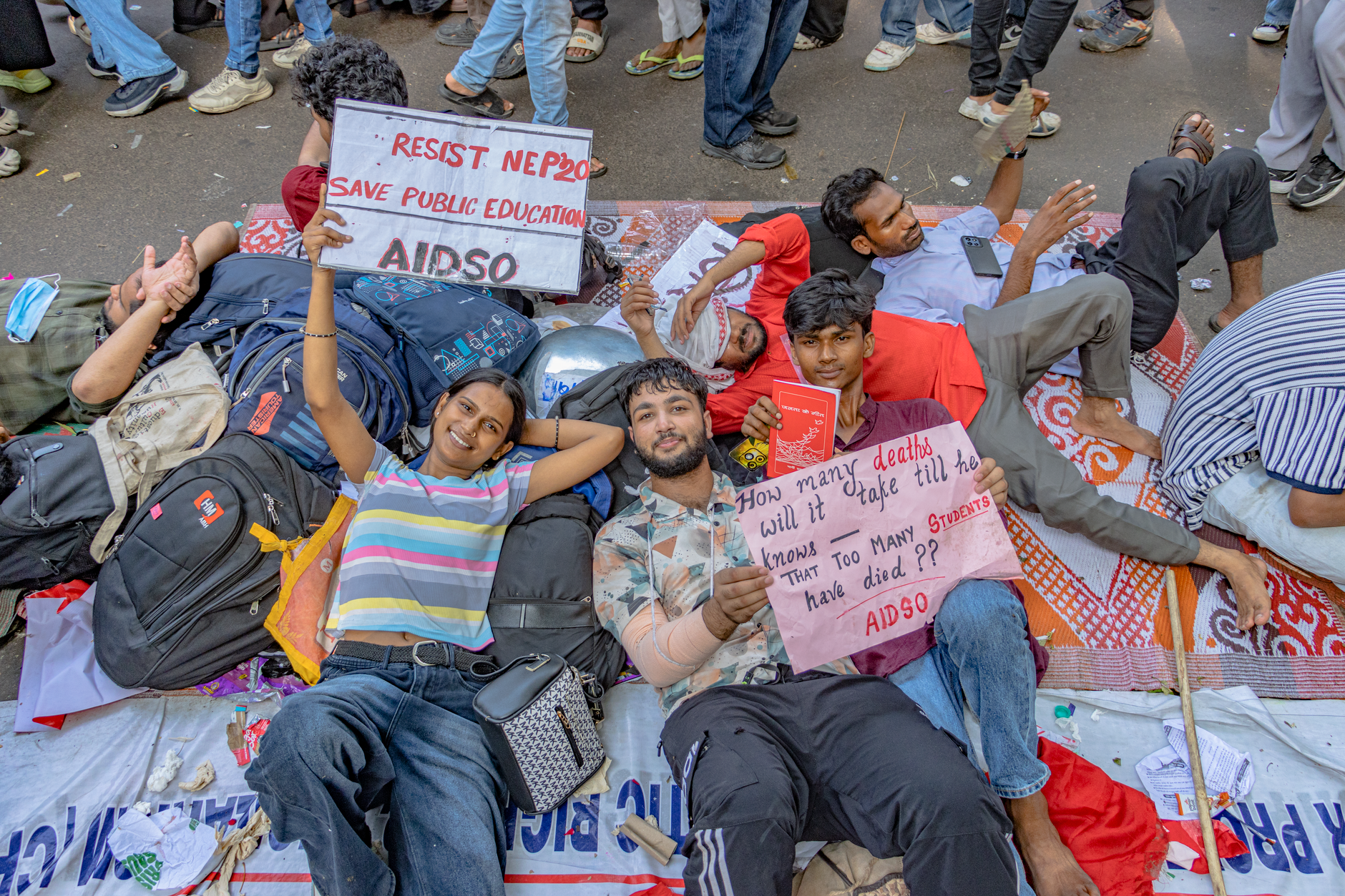
India is witnessing an unprecedented wave of student activism that has caught the attention of political observers and policymakers alike. Dubbed the 'Cockroach' movement by its participants, this grassroots campaign has become a symbol of youth frustration over competitive examination irregularities, paper leaks, and the growing gap between educational qualifications and employment opportunities.
The Origins of the Movement
The movement derives its unusual name from the resilience and persistence of its participants, who compare themselves to cockroaches that cannot be easily eliminated. What started as isolated protests against examination paper leaks in various states has snowballed into a nationwide expression of discontent among students preparing for government jobs and competitive exams.
India conducts thousands of competitive examinations annually, from railway recruitment to civil services, attracting millions of aspirants. These exams represent a critical pathway to stable government employment in a country where formal job creation has struggled to keep pace with the number of young people entering the workforce each year.
Key Grievances Driving the Protests
The movement has coalesced around several core issues that resonate deeply with India's student population:
- Recurring examination paper leaks that undermine the integrity of competitive tests
- Alleged corruption in recruitment processes for government positions
- Delays in declaring results, sometimes stretching over years
- Age limit restrictions that disqualify candidates who have spent years preparing
- Lack of accountability when examinations are cancelled or postponed
- Rising unemployment rates among educated youth
The Scale of Youth Unemployment
India's demographic dividend, long touted as an economic advantage, is increasingly being viewed as a potential liability. With approximately 65% of the population under 35 years of age, the pressure to create opportunities for young Indians has never been greater.
Recent data indicates that unemployment among educated youth remains stubbornly high. Young people with graduate degrees often face higher unemployment rates than those with lower educational qualifications, creating a paradoxical situation where education does not guarantee economic mobility.
Government Response and Challenges
The administration has responded to various instances of examination irregularities with investigations and promises of reform. However, protesters argue that systemic changes have been slow to materialize, and accountability remains elusive.
The challenge for policymakers lies in overhauling a vast examination infrastructure that serves millions of candidates while simultaneously addressing the underlying economic conditions that make government jobs so fiercely competitive. When formal private sector employment remains limited, government positions become even more coveted, intensifying the stakes around examination integrity.
Broader Implications for Education Policy
The movement has sparked a wider conversation about India's education system and its alignment with labour market needs. Critics point to several structural issues:
The overemphasis on rote learning and examination performance rather than skill development creates graduates who may excel at tests but lack practical workplace competencies. Additionally, the mushrooming of coaching centres, which charge substantial fees to prepare students for competitive exams, has created a parallel education economy that disadvantages students from lower-income backgrounds.
Technology and Examination Reform
Some experts advocate for technology-driven solutions to enhance examination security and transparency. Digital proctoring, blockchain-based certification, and AI-powered evaluation systems could potentially reduce human intervention points where corruption might occur.
However, implementing such solutions at the scale required for India's examination system presents logistical and financial challenges, particularly in ensuring equitable access across urban and rural areas.
The Political Dimension
Student movements have historically played significant roles in Indian politics, from the independence movement to the anti-corruption protests of the previous decade. The current wave of activism represents a politically aware generation that uses social media effectively to organize, share information, and maintain pressure on authorities.
For any government, managing the expectations and frustrations of educated youth is crucial, as this demographic represents both a significant voter bloc and a key driver of economic growth. The persistence of the movement suggests that quick fixes or isolated responses to individual examination failures will not suffice.
Looking Ahead
Addressing the concerns raised by student protesters will require a multi-pronged approach combining immediate reforms to examination systems with longer-term economic policies that create diverse employment opportunities beyond government jobs. Educational institutions must also evolve to provide skills that match market demands rather than simply producing examination-ready graduates.
The movement's sustainability will depend on whether it can maintain momentum and translate street protests into concrete policy changes that improve examination integrity and expand opportunity for India's ambitious youth population.