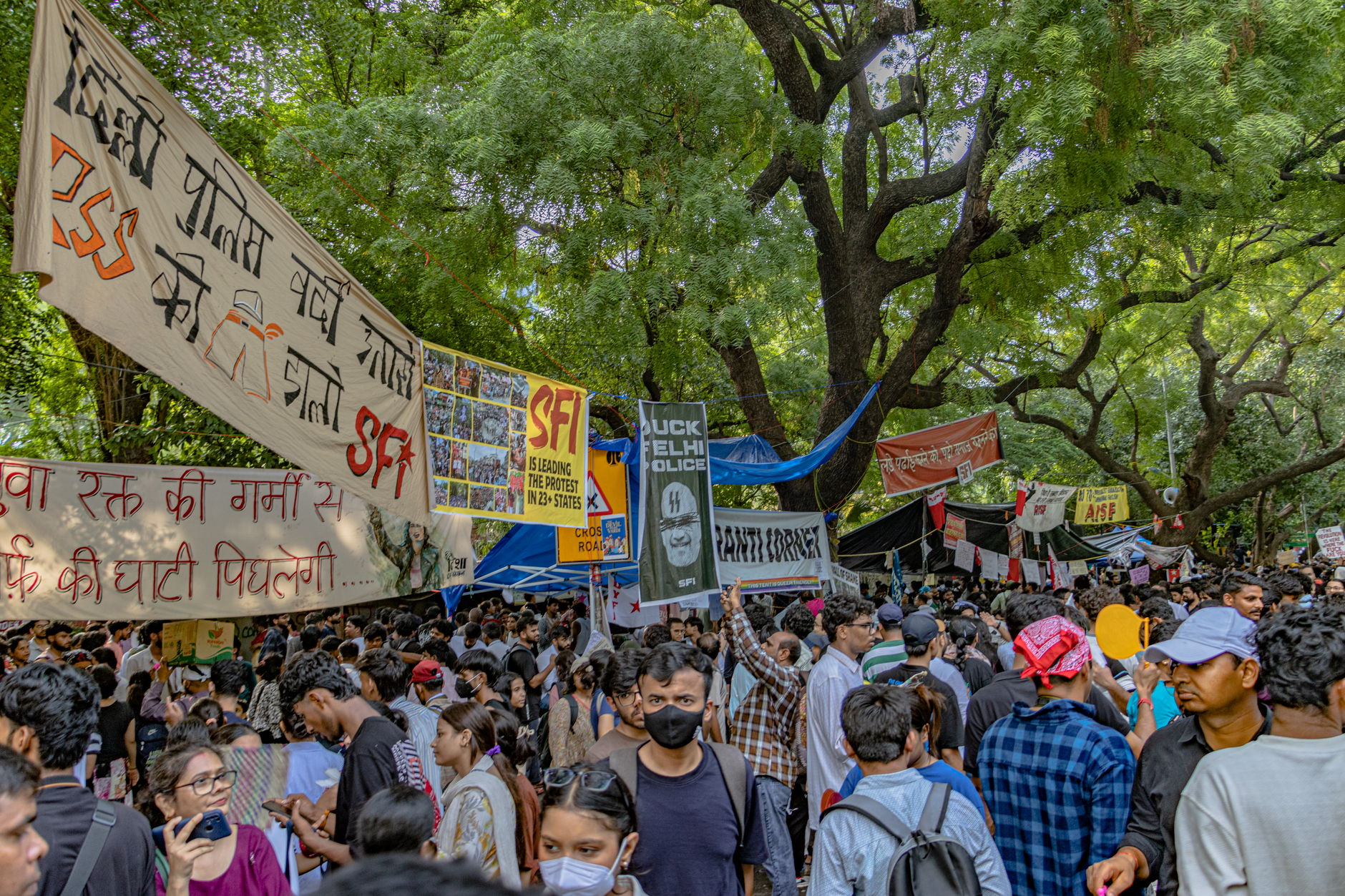
Student activism in India has taken a new form with protests being referred to as 'Cockroach' demonstrations, highlighting concerns about deteriorating educational infrastructure, examination policies, and systemic issues affecting millions of learners nationwide. These protests have prompted varied responses from government authorities at both state and central levels.
Understanding the 'Cockroach' Protest Movement
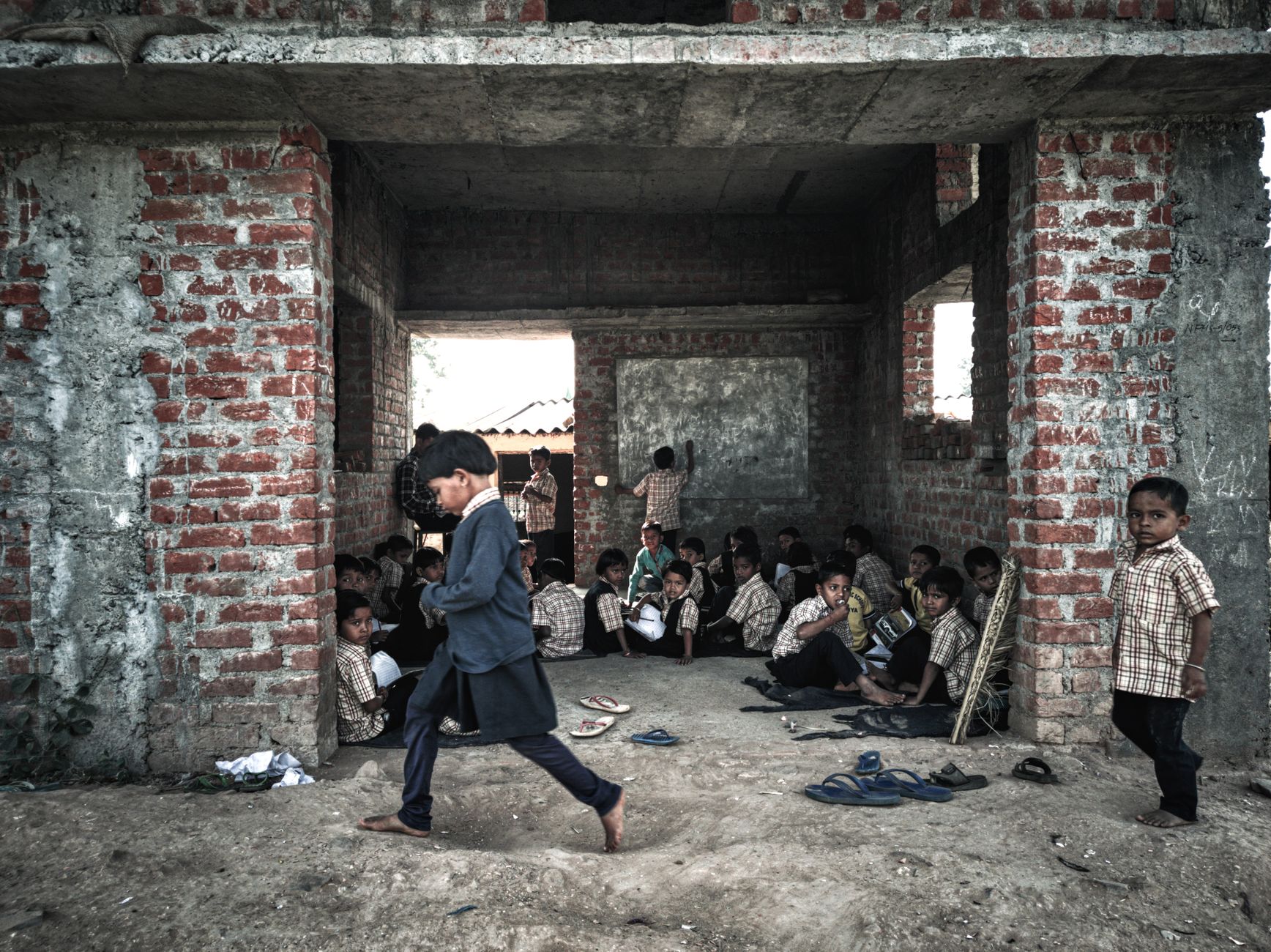
The unusual nomenclature of these protests stems from students' creative approach to drawing attention to poor conditions in educational institutions. Students have used the metaphor to highlight how they feel neglected and forced to study in substandard environments, much like pests surviving in harsh conditions. The protests have gained momentum across multiple states, with participants raising concerns about crumbling infrastructure, lack of basic amenities, delayed examinations, and policy decisions made without adequate student consultation.
These demonstrations have primarily involved college and university students, though secondary school students have also participated in some regions. The movement has utilized social media effectively to coordinate activities and share grievances, making it difficult for authorities to contain through traditional means.
Central Government's Position
The Union Ministry of Education has maintained that educational standards and infrastructure development remain top priorities under various flagship schemes. Officials have pointed to increased budgetary allocations for education and ongoing programs aimed at modernizing institutions across the country.
Government spokespersons have emphasized that the New Education Policy 2020 addresses many concerns raised by students, including infrastructure improvement, curriculum reform, and examination flexibility. They have stated that implementation takes time and urged students to engage through proper channels rather than street protests.
However, critics argue that the central government's response has been largely bureaucratic, with officials issuing statements rather than engaging directly with protest leaders or addressing specific grievances in real-time.
State-Level Responses
State governments have responded differently based on local political dynamics and the intensity of protests in their regions:
- Some states have formed committees to investigate specific complaints about infrastructure and examination irregularities
- Certain state education ministers have met with student representatives to discuss concerns
- A few states have announced immediate short-term relief measures, including infrastructure repair timelines
- Other states have taken a more confrontational approach, deploying police to disperse gatherings
The varied responses reflect India's federal structure, where education is a concurrent subject with both central and state governments sharing responsibility. This has sometimes led to blame-shifting between levels of government when protesters demand accountability.
Dialogue and Negotiation Efforts
In regions where protests intensified, authorities eventually initiated dialogue with student unions and informal protest leaders. These discussions have covered issues ranging from hostel conditions and library facilities to concerns about examination patterns and evaluation methods.
Some universities have established grievance redressal mechanisms specifically to channel student concerns more effectively. However, students have expressed skepticism about whether these mechanisms will produce tangible results or merely serve as pressure-release valves.
Security Measures and Restrictions
In certain areas where protests disrupted normal functioning, authorities imposed restrictions including:
- Temporary prohibitions on large gatherings near educational institutions
- Increased security deployment on campuses
- Monitoring of social media accounts allegedly coordinating protests
- Warnings to student unions about maintaining peace
These measures have drawn criticism from civil society organizations who argue that peaceful protest is a democratic right and that heavy-handed responses may alienate young citizens further.
Long-Term Policy Implications
The 'Cockroach' protests have highlighted systemic challenges in India's vast educational ecosystem serving over 250 million students. While immediate government responses have been mixed, the protests may influence long-term policy decisions regarding infrastructure funding, student participation in governance, and accountability mechanisms.
Education experts suggest that sustained pressure from students could accelerate reforms that have languished for years. However, translating protest energy into constructive engagement remains a challenge for both students and administrators.
The government's ultimate response will likely depend on whether these protests sustain momentum or dissipate as examination seasons conclude and students return to regular academic schedules. The coming months will reveal whether authorities choose comprehensive engagement or continue with piecemeal responses to what students describe as deep-rooted systemic problems.