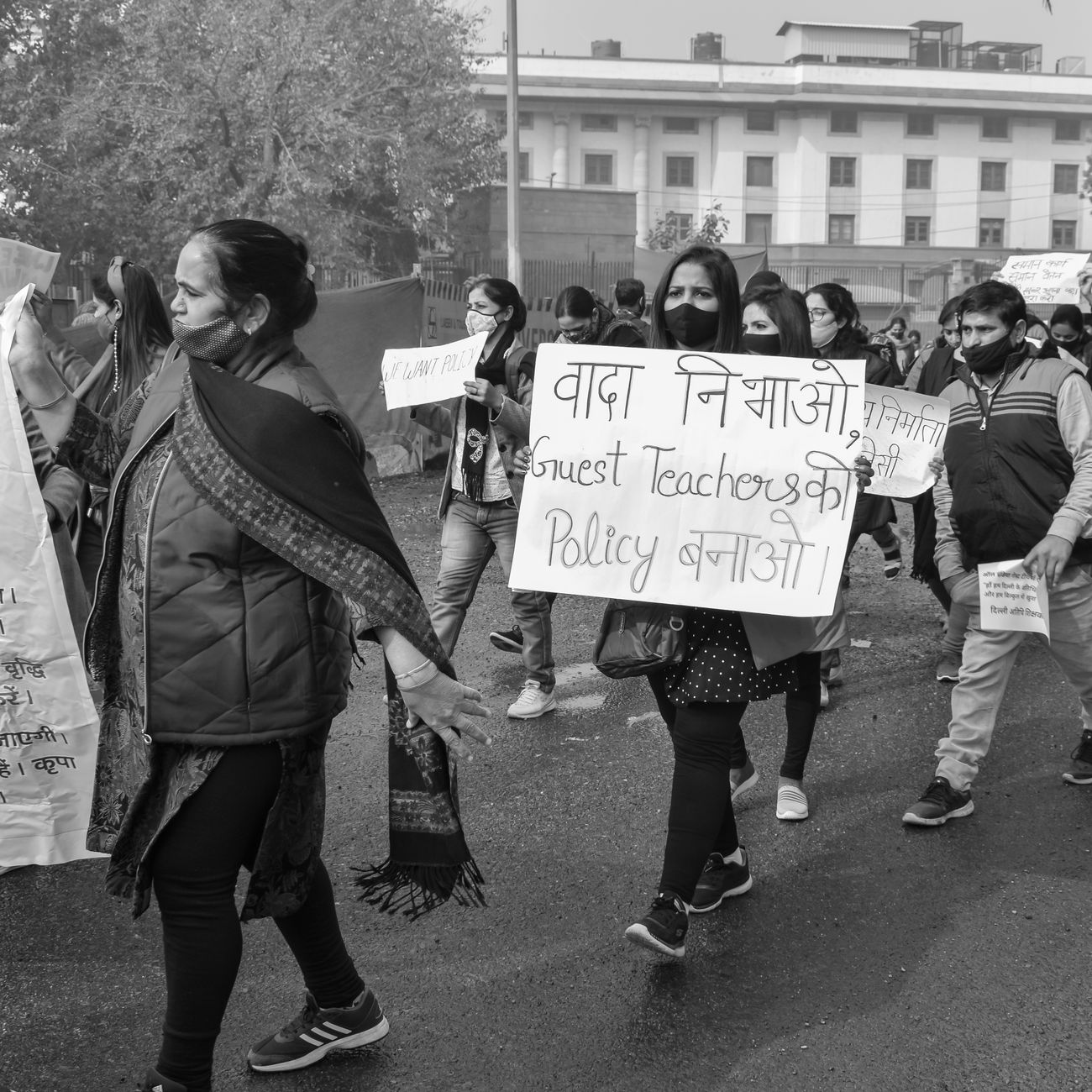
The wave of student protests that swept across India in recent months has highlighted a crisis in the country's examination system that affects millions of aspirants each year. Prime Minister Narendra Modi's public acknowledgment and promise to tackle exam leaks represents a significant political moment, but the real challenge lies in implementing lasting reforms to restore faith in a system that determines the futures of countless young Indians.
Understanding the Examination Crisis
India's competitive examination landscape is among the most demanding in the world. From the National Eligibility cum Entrance Test (NEET) for medical college admissions to various state-level recruitment exams, these tests serve as gatekeepers to educational and employment opportunities. When the integrity of these examinations is compromised through leaks, the consequences ripple through society, affecting merit-based selection and creating deep cynicism among honest students.
The scale of the problem became undeniable when multiple high-stakes examinations reported irregularities within a short span. Paper leaks, answer key circulation before exams, and allegations of centers facilitating cheating emerged across different states. For students who invest years of preparation and significant family resources, these incidents represent not just unfairness but a fundamental betrayal of trust.
What Students Are Demanding
The protests have coalesced around several concrete demands that go beyond merely canceling compromised exams. Students are calling for a comprehensive overhaul of examination administration, including the establishment of independent oversight bodies, stricter penalties for those involved in leaks, and compensation mechanisms for affected candidates.
Key demands include:
- Creation of a centralized, secure digital infrastructure for examination administration
- Real-time monitoring systems with multiple layers of verification
- Criminal prosecution and severe penalties for officials and individuals involved in leaks
- Transparent investigation processes with fixed timelines
- Re-examination protocols that minimize disruption while ensuring fairness
- Reform of examination conducting bodies with greater accountability measures
The Government's Response Framework
Modi's promise signals political will at the highest level, but translating this into effective action requires coordination across multiple agencies. The National Testing Agency, which conducts several major examinations, has already been under scrutiny for its handling of various controversies. Any meaningful reform must address both technological vulnerabilities and human factors that enable leaks.
The government has indicated plans to strengthen the legal framework surrounding examination malpractice. This includes potentially amending existing laws to make exam paper leaks a more serious criminal offense with mandatory minimum sentences. Additionally, there are discussions about implementing blockchain technology and advanced encryption methods to secure question papers from creation to distribution.
Challenges in Implementation
Despite good intentions, several obstacles complicate the path forward. India's examination system operates at different levels—central, state, and institutional—each with varying degrees of capacity and integrity. Standardizing security protocols across this fragmented landscape requires not just policy directives but substantial investment in infrastructure and training.
The human element presents perhaps the greatest challenge. Examination leaks often involve collusion between multiple parties, from printing press employees to center supervisors and sometimes even officials within conducting bodies. Breaking these networks requires not just better systems but a cultural shift in how examination administration is approached.
Furthermore, the sheer scale of Indian examinations creates unique vulnerabilities. When a single test like NEET has over two million candidates, the logistics of secure paper handling, distribution, and administration become exponentially complex.
The Path Forward
Sustainable reform will likely require a phased approach. Immediate measures might focus on the most vulnerable points in the current system—paper printing, transportation, and storage. Medium-term reforms could involve transitioning more examinations to computer-based formats with randomized question generation, which significantly reduces leak risks.
Long-term institutional changes should include creating independent regulatory bodies with powers to audit examination processes, investigate irregularities, and enforce compliance. Some experts advocate for a model similar to election commission oversight, where examination administration enjoys constitutional protection and autonomy.
The success of these reforms will ultimately depend on sustained political commitment beyond the current moment of crisis. Students and their families will be watching carefully to see whether promises translate into structural changes or fade as public attention shifts elsewhere.
For India's youth, what happens next will determine whether merit and hard work remain the primary pathways to opportunity, or whether systemic failures continue to undermine their aspirations and erode trust in institutional fairness.