The resignation of a prominent education minister and subsequent announcement of examination reforms marks a watershed moment in India's education landscape, reflecting the power of youth-led activism and the urgent need to address systemic issues in the country's competitive testing ecosystem.
The Crisis That Sparked Nationwide Outrage
India's competitive examination system serves as the gateway to prestigious government jobs, professional courses, and higher education opportunities for millions of students annually. Recent allegations of paper leaks, irregularities in test administration, and unfair practices have eroded trust in these crucial assessments. When evidence of widespread malfeasance emerged, students who had invested years of preparation took to the streets in unprecedented numbers.
The protests reflected frustration not just with isolated incidents but with a pattern of recurring problems. For many young Indians, these exams represent the culmination of enormous financial investment, family sacrifice, and personal dedication. The breach of trust when examinations are compromised strikes at the heart of merit-based advancement that millions depend upon.
Understanding India's High-Stakes Testing Culture
Competitive examinations in India carry extraordinary weight. Tests like the NEET for medical admissions, JEE for engineering colleges, and various state and central government recruitment exams determine career trajectories for aspirants often competing against millions of peers for limited seats or positions.
The pressure begins early. Students frequently spend 2-3 years in intensive coaching programs, with families sometimes relocating to cities like Kota or Delhi where premier coaching institutes are concentrated. The financial burden can be substantial, with coaching fees, accommodation, and study materials consuming significant portions of household income.
This high-stakes environment makes any hint of unfairness particularly explosive. A leaked paper doesn't just affect one examination cycle—it can derail years of preparation and investment, pushing back career starts and creating cascading effects on personal and professional timelines.
The Wave of Student Activism
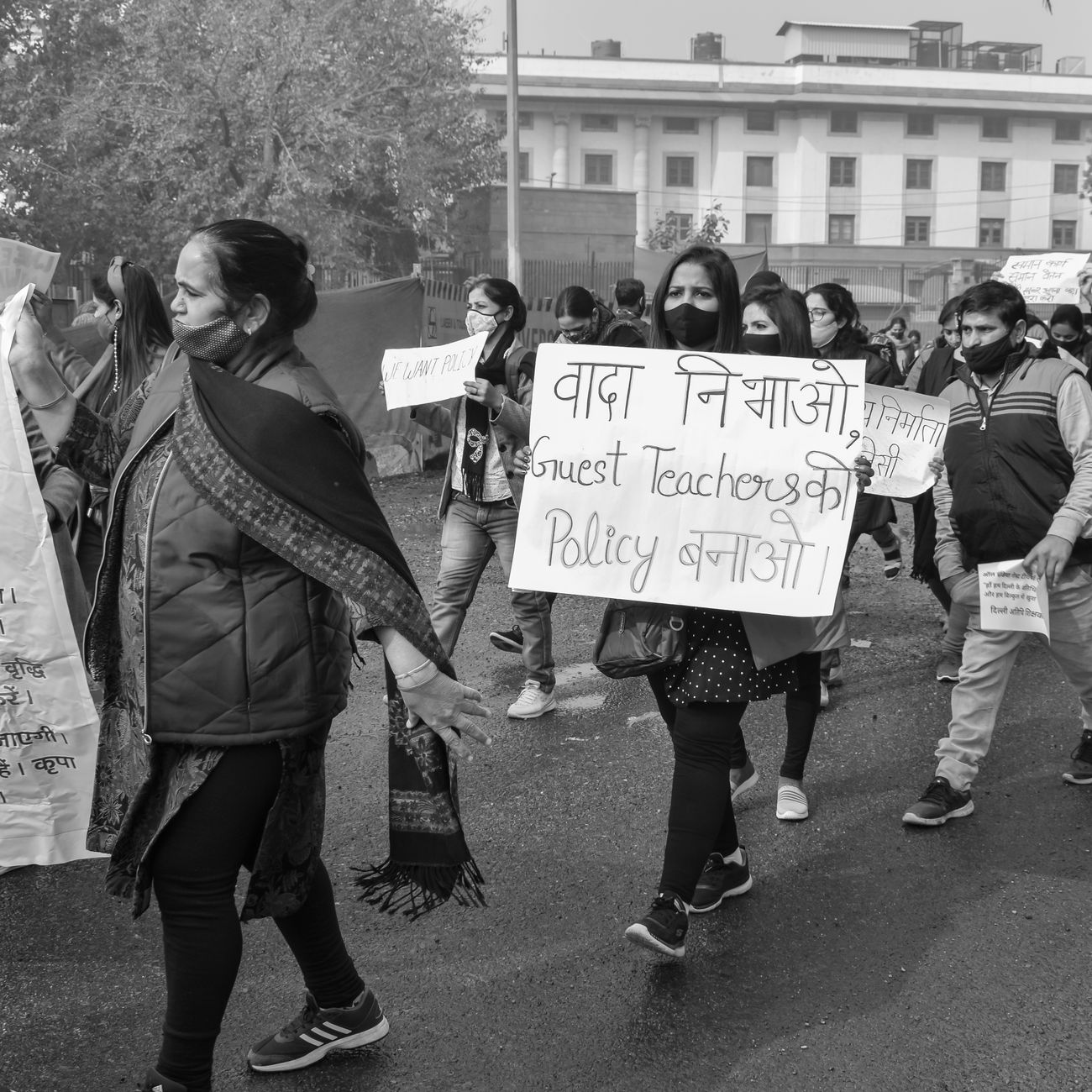
The protests that swept across Indian cities demonstrated remarkable organization and sustained energy. Students utilized social media platforms to coordinate demonstrations, share information, and amplify their demands. The movement transcended regional and linguistic boundaries, with aspirants from various examination streams finding common cause.
Key demands included:
- Transparent investigation of examination irregularities
- Accountability for officials responsible for test security breaches
- Structural reforms to prevent future incidents
- Compensation or re-examination opportunities for affected candidates
- Modernization of testing infrastructure and protocols
The protests also highlighted generational frustration with institutional responsiveness. Young Indians increasingly expect transparency, accountability, and swift action from governing bodies—standards they felt were not being met in the examination system's administration.
Reform Measures Being Implemented
In response to sustained pressure, authorities have announced several reform initiatives aimed at restoring credibility to the examination system. These measures include enhanced security protocols for question paper storage and distribution, stricter background checks for personnel involved in test administration, and improved technological safeguards.
The establishment of independent oversight committees represents another significant change. These bodies are tasked with monitoring examination processes and investigating complaints, theoretically providing an additional layer of accountability beyond the conducting authorities themselves.
Digital reforms include exploration of computer-based testing for more examinations, which can reduce certain vulnerabilities associated with paper-based tests. Real-time monitoring systems and forensic analysis capabilities are being upgraded to detect and respond to irregularities more quickly.
Long-Term Implications for Indian Education
This episode raises fundamental questions about India's examination-centric education model. Critics argue that excessive reliance on single high-stakes tests creates perverse incentives and places unhealthy pressure on young people. Some education reformers are calling for more holistic evaluation methods that consider diverse talents and abilities.
The incident has also sparked discussions about the capacity of current systems to handle the scale of India's aspirational youth population. With millions appearing for competitive exams annually, ensuring integrity while maintaining accessibility and efficiency presents formidable administrative challenges.
The Path Forward
The reforms being implemented represent important steps toward rebuilding trust, but sustained vigilance will be necessary. Student organizations have indicated they will continue monitoring implementation and holding authorities accountable for promised changes.
For current and future aspirants, the movement demonstrates the potential for collective action to drive systemic change. It also underscores the importance of robust, fair institutions in a society where educational credentials carry such significant weight in determining life opportunities.
The broader lesson extends beyond examinations to governance itself: institutions that fail to maintain public trust and respond to legitimate grievances will face increasing pressure from an informed, connected, and mobilized youth population unwilling to accept the status quo.