Sonam Wangchuk has become synonymous with innovation in education and environmental sustainability, particularly in India's challenging Himalayan terrain. The engineer and education reformist gained international recognition for his groundbreaking work that addresses both ecological challenges and educational gaps in remote mountain communities.
The Ice Stupa Innovation
Wangchuk's ice stupa project represents a brilliant fusion of traditional knowledge and modern engineering. These cone-shaped ice structures, inspired by Buddhist stupas, serve as artificial glaciers that store winter meltwater in frozen form. During spring and early summer, when water is scarce for irrigation, these ice stupas gradually melt, providing crucial water resources to communities in Ladakh.
The innovation addresses a critical problem in high-altitude desert regions where climate change has severely impacted traditional water sources. Unlike horizontal ice fields that melt quickly, the vertical cone design minimizes surface area exposed to sunlight, allowing the ice to survive well into the growing season. This simple yet effective solution has earned global acclaim and demonstrates how indigenous architectural wisdom can solve contemporary environmental challenges.
Transforming Education in the Himalayas
Beyond environmental innovations, Wangchuk's primary passion lies in educational reform. He founded the Students' Educational and Cultural Movement of Ladakh (SECMOL) in 1988, which has since transformed the educational landscape of the region. The organization operates an alternative school that challenges conventional educational approaches ill-suited to mountain communities.
SECMOL's campus itself serves as a living laboratory for sustainability. Built largely by students using local materials and solar passive heating techniques, the campus remains comfortable even during harsh Himalayan winters without conventional heating systems. This hands-on approach to learning extends throughout the curriculum, where students engage in practical problem-solving rather than rote memorization.
Rethinking Educational Models
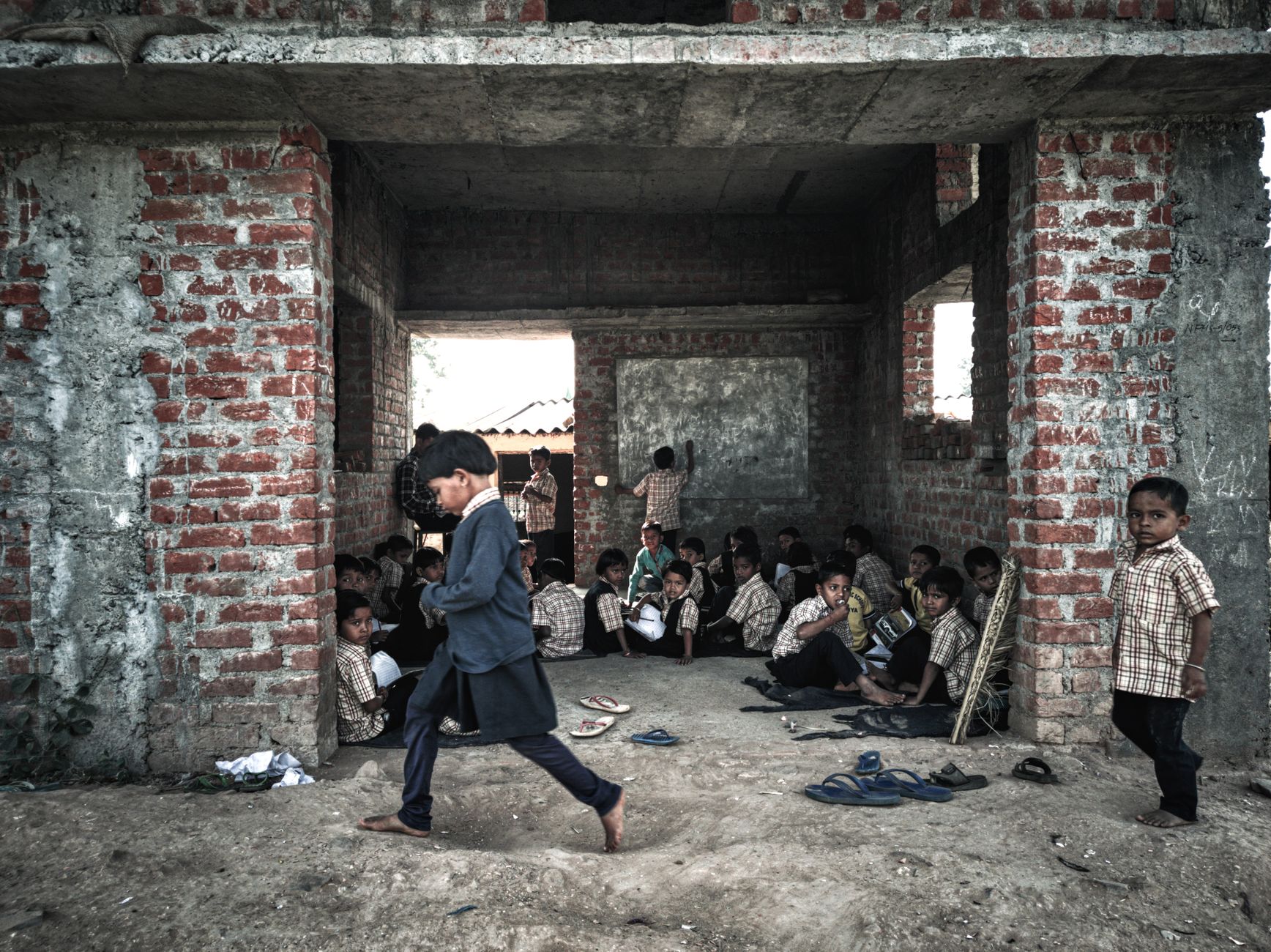
Wangchuk's educational philosophy stems from observing how mainstream education systems often fail students in remote regions. He noted that curricula designed for urban contexts held little relevance for children whose lives revolved around agriculture, animal husbandry, and mountain ecology. The high failure rates among Ladakhi students weren't due to lack of intelligence but rather a mismatch between teaching methods and local realities.
The SECMOL approach emphasizes:
- Learning through doing and experimentation
- Connecting education to local ecology and economy
- Developing practical life skills alongside academic knowledge
- Fostering environmental consciousness and sustainability
- Celebrating local culture and identity while embracing useful innovations
- Student-centered pedagogy that respects individual learning paces
Challenging the Factory Model
Wangchuk has been vocal about what he calls the "factory model" of education, where students are treated as uniform products moving through standardized assembly lines. He advocates for recognizing diverse intelligences and learning styles, arguing that the current examination-centric system crushes creativity and practical intelligence while rewarding only certain types of memory skills.
His TED talks and public speeches have inspired educators globally to reconsider what education should accomplish. Rather than producing certificate-holders who struggle to find employment, Wangchuk envisions education creating problem-solvers, innovators, and environmentally conscious citizens.
The Broader Impact
The success of SECMOL has influenced educational policy discussions in mountain regions across India and beyond. Wangchuk's work demonstrates that sustainable development and quality education need not be expensive or dependent on external resources. His emphasis on local materials, renewable energy, and community participation creates replicable models for other remote regions.
His innovations also inspired the character of Phunsukh Wangdu in the Bollywood film "3 Idiots," bringing his educational philosophy to mainstream consciousness. This popular culture representation, while simplified, helped spark national conversations about educational reform.
Looking Forward
Wangchuk continues to push boundaries with projects like the Himalayan Institute of Alternatives in Ladakh, which aims to create a university model focused on solving regional problems through innovation and research. His vision extends beyond Ladakh to reimagining how education can empower communities everywhere to address local challenges while thinking globally.
His work reminds us that true education transforms not just individual prospects but entire communities, and that the most innovative solutions often emerge when we respect both traditional wisdom and scientific inquiry. Through ice stupas and alternative schools, Wangchuk demonstrates that fast evolution in education means slowing down to learn deeply, connecting knowledge to life, and nurturing the human capacity for creative problem-solving.