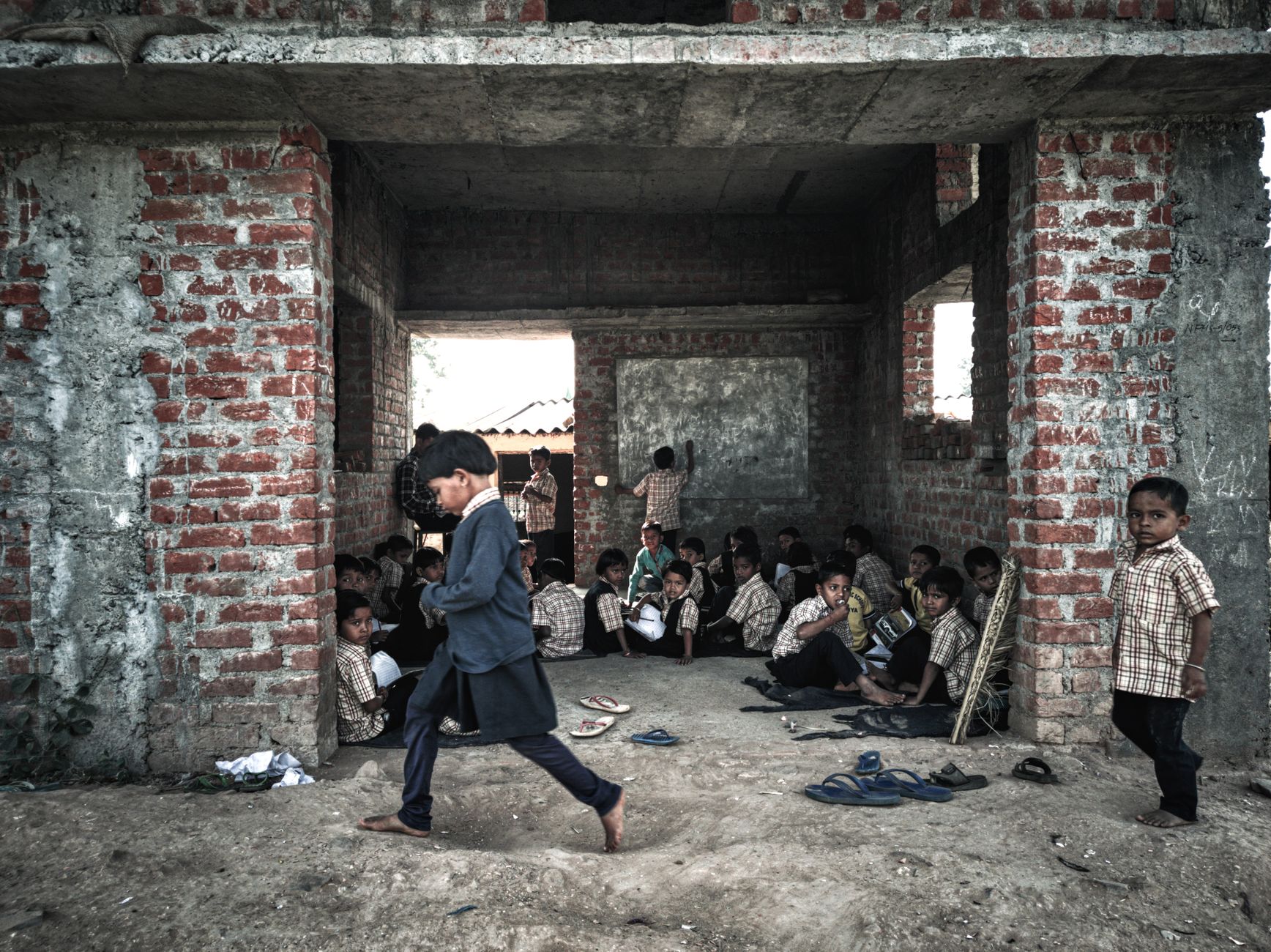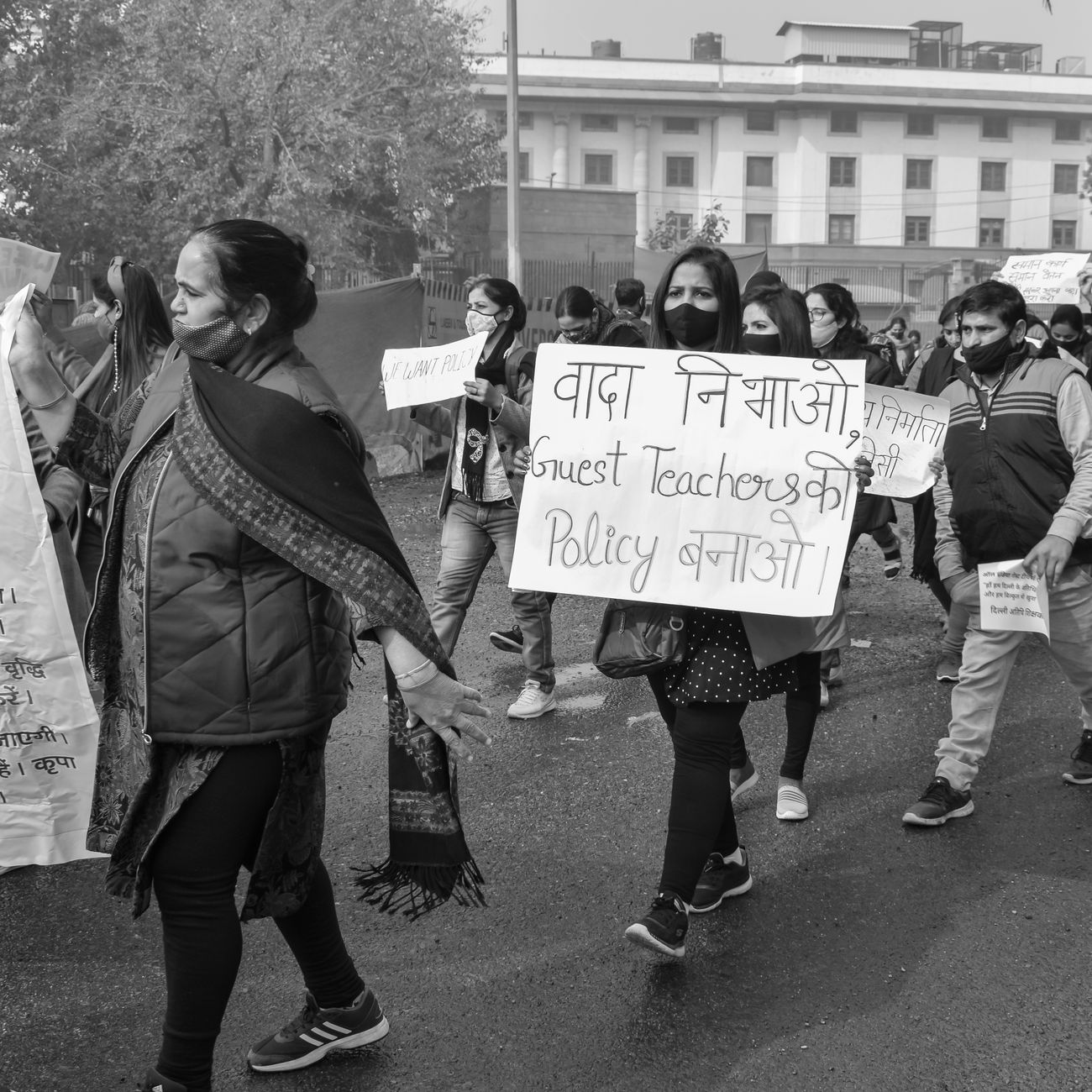
Student movements have historically played a pivotal role in shaping India's democratic trajectory, from the pre-independence freedom struggle to the anti-corruption protests of recent years. The current wave of campus activism represents a significant moment in this continuum, demonstrating how educational institutions serve as crucibles for democratic engagement and social change.
The Historical Context of Student Activism in India
India's universities have long been sites of political awakening and resistance. The Quit India Movement drew substantial energy from student participation, while the 1970s saw nationwide student protests against corruption and authoritarian tendencies. This tradition of campus activism reflects a deeper truth about Indian democracy: universities are not merely places of academic learning but laboratories of citizenship where young people develop their political consciousness and civic skills.
The current mobilisation differs from earlier movements in its decentralised nature and use of digital tools for coordination. Students across various institutions are connecting their local concerns to broader questions about democratic participation, civil liberties, and inclusive governance. This networked approach has made the movement more resilient and harder to suppress through traditional means.
Education as a Democratic Training Ground
Universities function as microcosms of democracy where students learn to debate, organise, and challenge authority through legitimate channels. Student unions, departmental associations, and campus forums provide practical experience in collective decision-making and peaceful dissent. When students protest administrative decisions or government policies, they are exercising the very democratic rights that formal education teaches them about in theory.
The intersection of education and activism creates informed citizens who understand both their rights and responsibilities. Students bring research skills, analytical thinking, and idealistic energy to social movements, often articulating issues in ways that resonate beyond campus boundaries. Their protests frequently highlight contradictions between constitutional ideals and ground realities, forcing society to confront uncomfortable questions.
Grassroots Democracy Beyond Electoral Politics
The significance of student protests extends beyond their immediate demands. These movements demonstrate that democracy involves continuous participation rather than periodic voting. When students occupy public spaces, organise teach-ins, or engage in peaceful civil disobedience, they are practicing forms of direct democracy that complement representative institutions.
This grassroots mobilisation has several important features:
- Creation of horizontal networks that bypass traditional hierarchies
- Use of art, music, and cultural expression to communicate political messages
- Inclusion of marginalised voices often excluded from mainstream political discourse
- Development of alternative media channels to share information and build solidarity
- Building coalitions across caste, class, and religious divisions
These characteristics make student movements particularly effective at revitalising democratic culture when formal institutions appear unresponsive or captured by narrow interests.
Challenges and Criticisms
Student activism faces significant obstacles, including accusations of being anti-national, disrupting academic activities, or serving as fronts for political parties. Authorities sometimes respond with disciplinary action, police intervention, or restrictions on assembly and speech. These challenges test the resilience of both the movements and the democratic framework itself.
Critics argue that student protesters lack real-world experience and oversimplify complex policy issues. However, supporters contend that this outsider perspective is precisely what enables students to question accepted wisdom and imagine alternative futures. The tension between institutional stability and youthful idealism has always been a productive feature of democratic societies.
Impact on Democratic Institutions
The long-term impact of student movements lies not just in achieving specific demands but in shaping political culture. Former student activists often carry their commitment to social justice into professional careers, creating a ripple effect across civil society, media, academia, and even government. The skills developed during campus protests—coalition building, public speaking, strategic thinking—serve individuals and democracy well beyond university gates.
Moreover, widespread student mobilisation signals to political leaders that young citizens are engaged and willing to hold power accountable. This creates pressure for greater transparency, responsiveness, and adherence to constitutional principles. Even when protests do not immediately achieve their stated goals, they shift public discourse and expand the boundaries of acceptable political debate.
The Future of Democratic Participation
The current wave of student activism suggests that India's democratic future depends partly on creating spaces for youth participation. Educational institutions must balance their role as centres of learning with their function as incubators of civic engagement. Attempting to depoliticise campuses entirely risks producing citizens who are technically skilled but civically disengaged.
The challenge for Indian democracy is to channel the energy of student movements into constructive participation while protecting the rights to dissent and peaceful protest. When students take to the streets, they are not abandoning democracy but rather insisting on its deepest promises—equality, justice, and the right to shape collective futures.