The story of India's first educational computer arriving on a bullock cart represents one of the most powerful symbols of the country's digital transformation. This remarkable event highlights the vast infrastructure challenges and determination that characterized India's early steps into the computer age during the 1980s.
The Early Days of Computing in India
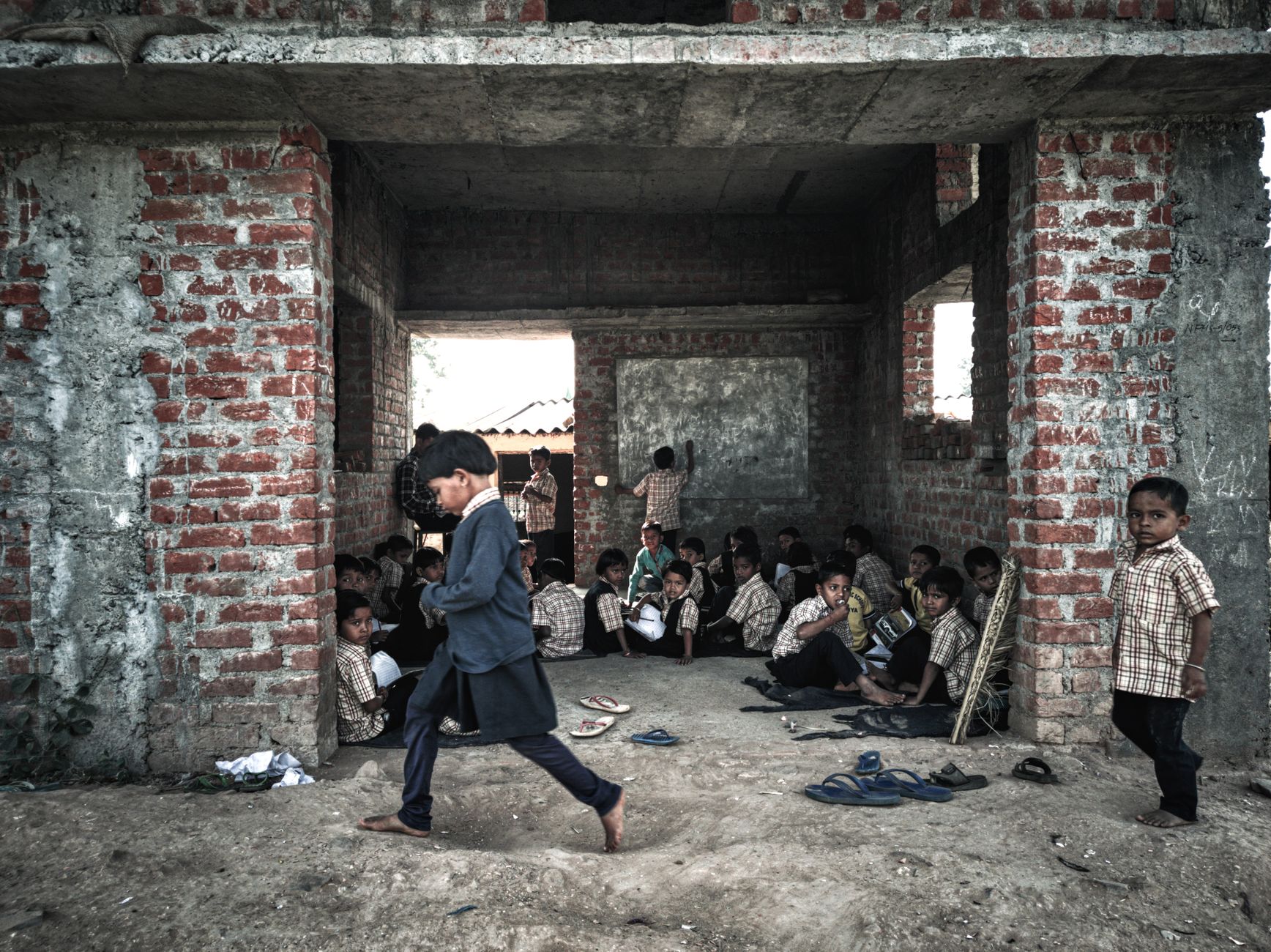
During the late 1970s and early 1980s, computers were rare and expensive machines in India, largely confined to government research institutions, defense establishments, and a handful of universities. The idea of introducing computers into schools was revolutionary, particularly when most Indian educational institutions lacked basic amenities like reliable electricity and proper buildings.
The Indian government, recognizing the importance of computer literacy for future generations, initiated programs to introduce computing education in schools. However, the reality of implementing such programs in a developing nation with vast rural areas presented unique logistical challenges.
The Symbolic Journey
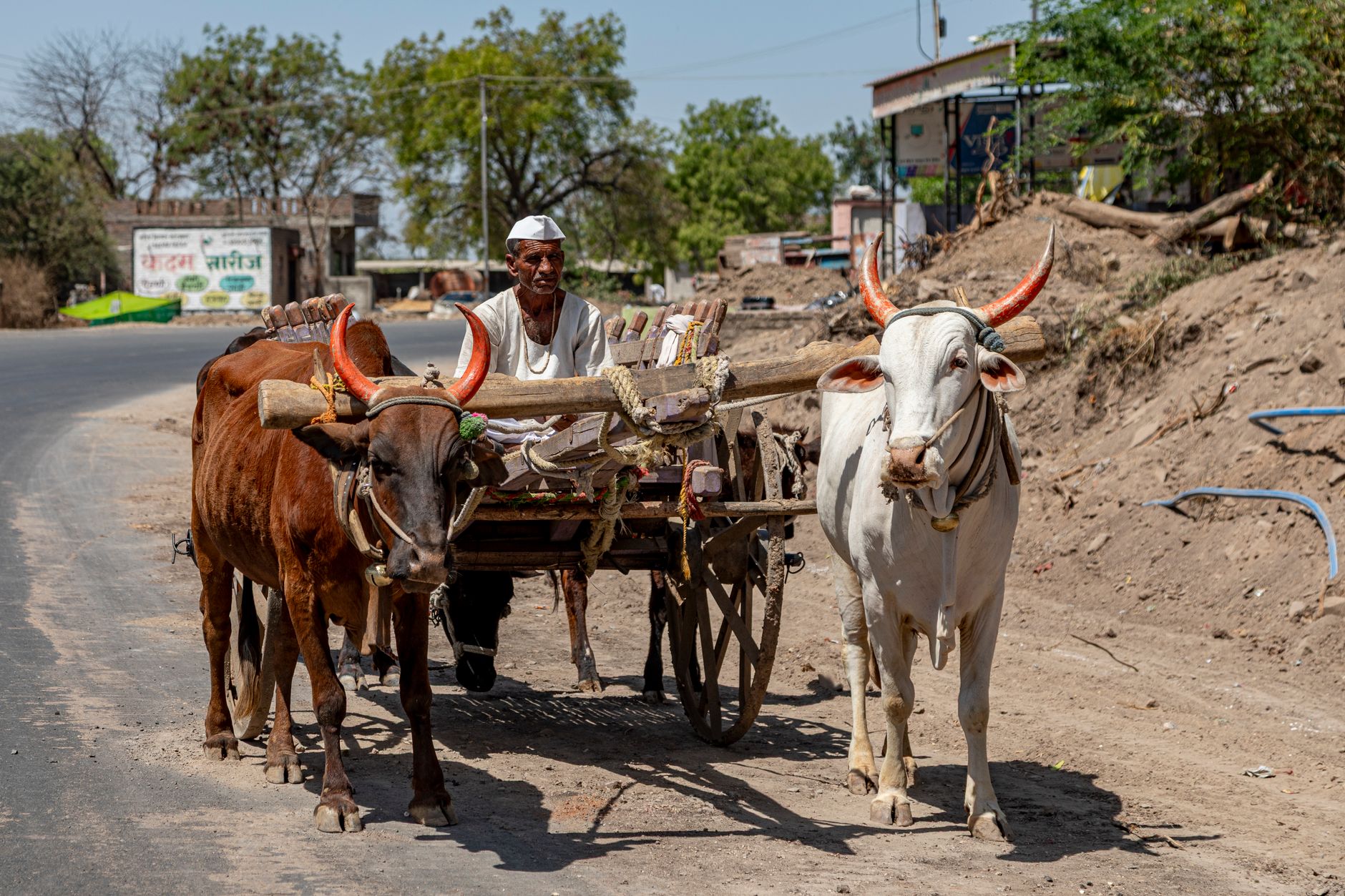
The bullock cart journey of India's first educational computer encapsulates the contradiction of bringing cutting-edge technology to communities still relying on traditional modes of transport. This wasn't merely about moving equipment from point A to point B; it represented bridging centuries of technological evolution in a single journey.
Rural roads in India during this period were often unpaved and inaccessible to motorized vehicles, especially during monsoon seasons. The bullock cart, a reliable mode of transport for thousands of years, became the unlikely vessel for introducing twenty-first century technology to Indian students.
Challenges of Technology Integration
The arrival of computers in rural Indian schools faced multiple obstacles beyond transportation. Many schools lacked the electrical infrastructure to power these machines consistently. Generators and voltage stabilizers became necessary companions to computer equipment, adding to both cost and complexity.
The Computer Education Movement
- The introduction of computer education aimed to prepare Indian students for an increasingly digital global economy
- Initial programs focused on basic computer literacy, programming concepts, and familiarity with technology
- Government initiatives often partnered with state education departments and sometimes private organizations
- Training teachers to use and teach computers became as significant a challenge as procuring the equipment itself
The early computers used in Indian schools were relatively simple by today's standards but represented sophisticated technology for their time. Systems often ran on BASIC programming language, and students learned fundamental concepts of computing, algorithms, and problem-solving.
Impact on Rural Education
The arrival of computers, however they reached their destination, transformed educational possibilities in rural India. Students who had never seen electronic technology beyond transistor radios suddenly had access to machines that could perform calculations, store information, and run programs.
This exposure opened new career possibilities and aspirations. Many students from these early computer education programs went on to pursue careers in information technology, contributing to India's emergence as a global IT services hub in subsequent decades.
Legacy and Lessons
The bullock cart story serves as a reminder that technological progress doesn't require perfect infrastructure. India's approach demonstrated that determination and creativity could overcome logistical limitations. The nation didn't wait for ideal conditions before introducing computer education; instead, it adapted available resources to achieve ambitious goals.
This pragmatic approach to technology adoption became characteristic of India's development strategy. The country learned to leapfrog certain developmental stages, moving directly to advanced technologies even while traditional systems remained in use.
From Bullock Carts to Digital India
The contrast between that historic bullock cart journey and contemporary India is striking. Today, India is a major player in global information technology, with millions of students studying computer science and related fields. The nation has built a robust digital infrastructure, though challenges of digital divide persist between urban and rural areas.
Government initiatives like Digital India aim to ensure technology reaches every corner of the country, continuing the democratization of technology access that began with those first educational computers.
The Human Element
Beyond the technology itself, the bullock cart story reminds us that educational transformation requires human commitment. Teachers who learned to operate unfamiliar machines, administrators who fought for resources, and students who embraced new learning opportunities all played crucial roles in India's digital education journey.
The image of ancient and modern technology traveling together serves as an enduring metaphor for India's development path—respecting tradition while embracing innovation, and ensuring that progress includes everyone, regardless of how remote their village or how basic their infrastructure.