Corporate Social Responsibility initiatives have become a powerful vehicle for educational transformation in rural India, where access to quality learning resources remains a significant challenge. Recent collaborations between corporations and grassroots organizations demonstrate how targeted interventions can create meaningful change in underserved communities.
The Rural Education Challenge in India
India's rural education sector continues to face multiple obstacles despite government efforts to universalize schooling. According to various educational surveys, rural schools often struggle with inadequate infrastructure, shortage of trained teachers, limited access to digital learning tools, and poor student-teacher ratios. These challenges are compounded by socioeconomic factors including poverty, child labor, and limited parental literacy that affect student attendance and performance.
The gap between urban and rural educational outcomes remains stark, with rural students frequently scoring lower on standardized assessments and experiencing higher dropout rates, particularly at the secondary level. This disparity has long-term implications for economic mobility and perpetuates cycles of poverty in rural communities.
CSR's Growing Role in Educational Development
Since the mandatory CSR provisions were introduced in the Companies Act 2013, requiring companies with specified net worth, turnover, or profit thresholds to spend two percent of their average net profits on social initiatives, corporate investment in education has increased substantially. Education and skill development remain among the prioritized areas for CSR spending under Schedule VII of the Act.
Corporate-foundation partnerships have emerged as an effective model for CSR implementation, combining corporate resources with the ground-level expertise and community connections of non-profit organizations. This approach allows companies to leverage specialized knowledge while ensuring their investments create sustainable impact.
Key Components of Effective Educational CSR Programs
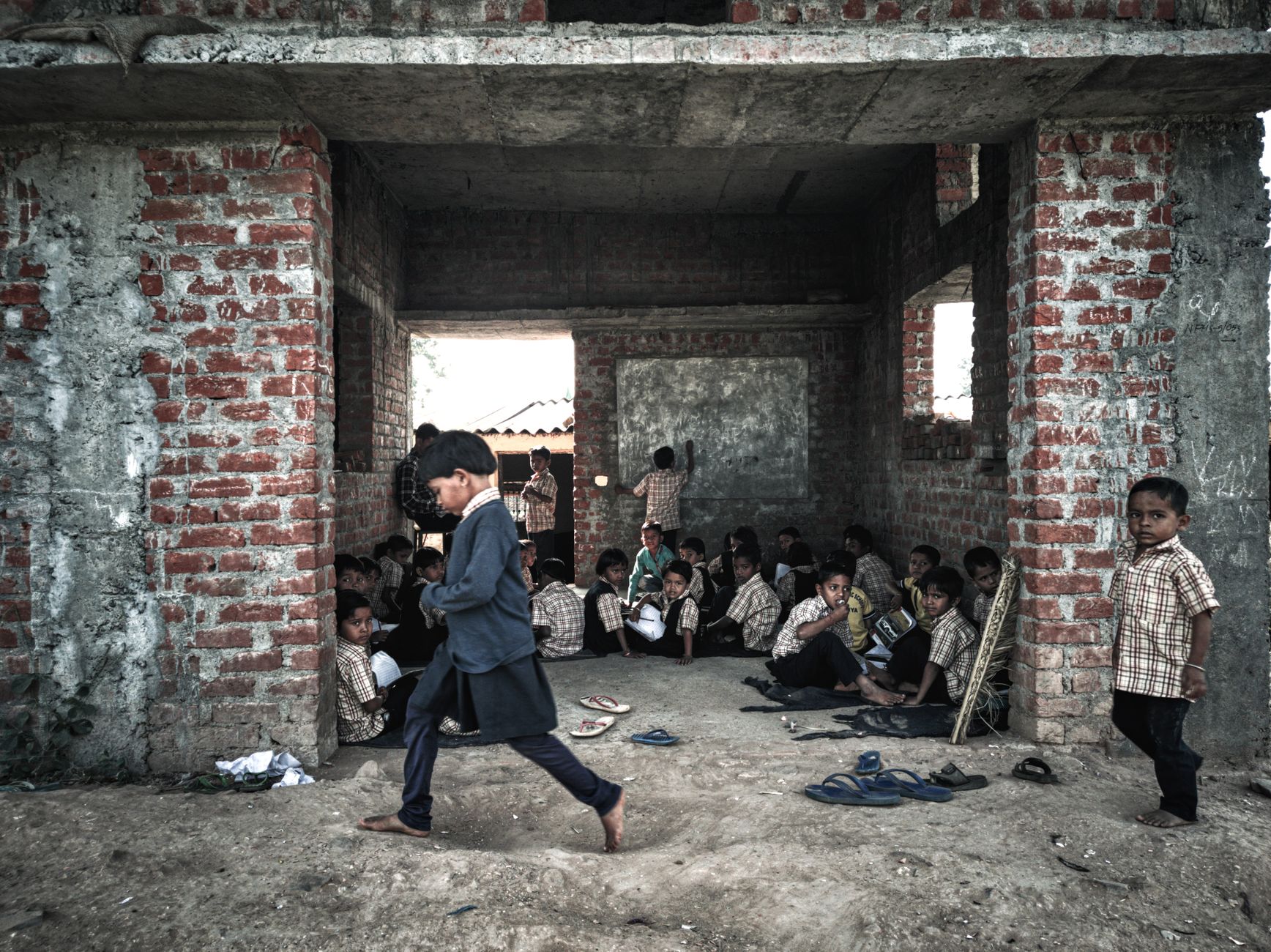
Successful CSR initiatives in rural education typically address multiple dimensions of the learning ecosystem rather than focusing on single interventions. Infrastructure development remains fundamental, including classroom construction, provision of furniture, sanitation facilities, and drinking water access. Many schools in remote areas operate in dilapidated buildings that compromise student safety and learning quality.
Technology integration has become increasingly important, with programs providing computer labs, tablets, digital projectors, and internet connectivity. These tools expose rural students to digital literacy skills essential for future employment while enabling access to online learning resources that supplement traditional teaching.
Teacher training and capacity building represent another critical component. Many rural educators lack opportunities for professional development, and CSR programs that offer regular training workshops help teachers adopt modern pedagogical methods, improve subject knowledge, and learn classroom management techniques.
Supplementary educational support through remedial classes, libraries, science laboratories, sports facilities, and extracurricular activities enriches the learning experience beyond textbook education. Scholarship programs and financial assistance help economically disadvantaged students continue their education.
Measuring Impact and Ensuring Sustainability
The effectiveness of educational CSR initiatives depends on proper planning, implementation, and monitoring. Baseline assessments help identify specific community needs, while regular impact evaluations track improvements in learning outcomes, attendance rates, infrastructure quality, and community engagement.
Sustainability remains a key consideration. Programs designed with community participation and local ownership tend to achieve longer-lasting results than those imposed externally. Training local stakeholders to maintain facilities and continue programs after initial corporate funding concludes helps ensure continued benefits.
Partnerships with government schools and alignment with official educational policies strengthen program sustainability while avoiding duplication of efforts. Many successful initiatives work within existing government frameworks rather than creating parallel systems.
The Broader Ecosystem Approach
Progressive CSR programs recognize that education cannot be addressed in isolation. Holistic interventions often include community awareness campaigns about the importance of education, particularly for girls, nutritional support through mid-day meal enhancements, health check-ups and sanitation awareness, and vocational training for adolescents and adults.
This ecosystem approach acknowledges that educational outcomes depend on factors beyond the classroom, including family circumstances, health status, and community attitudes toward learning.
Looking Forward
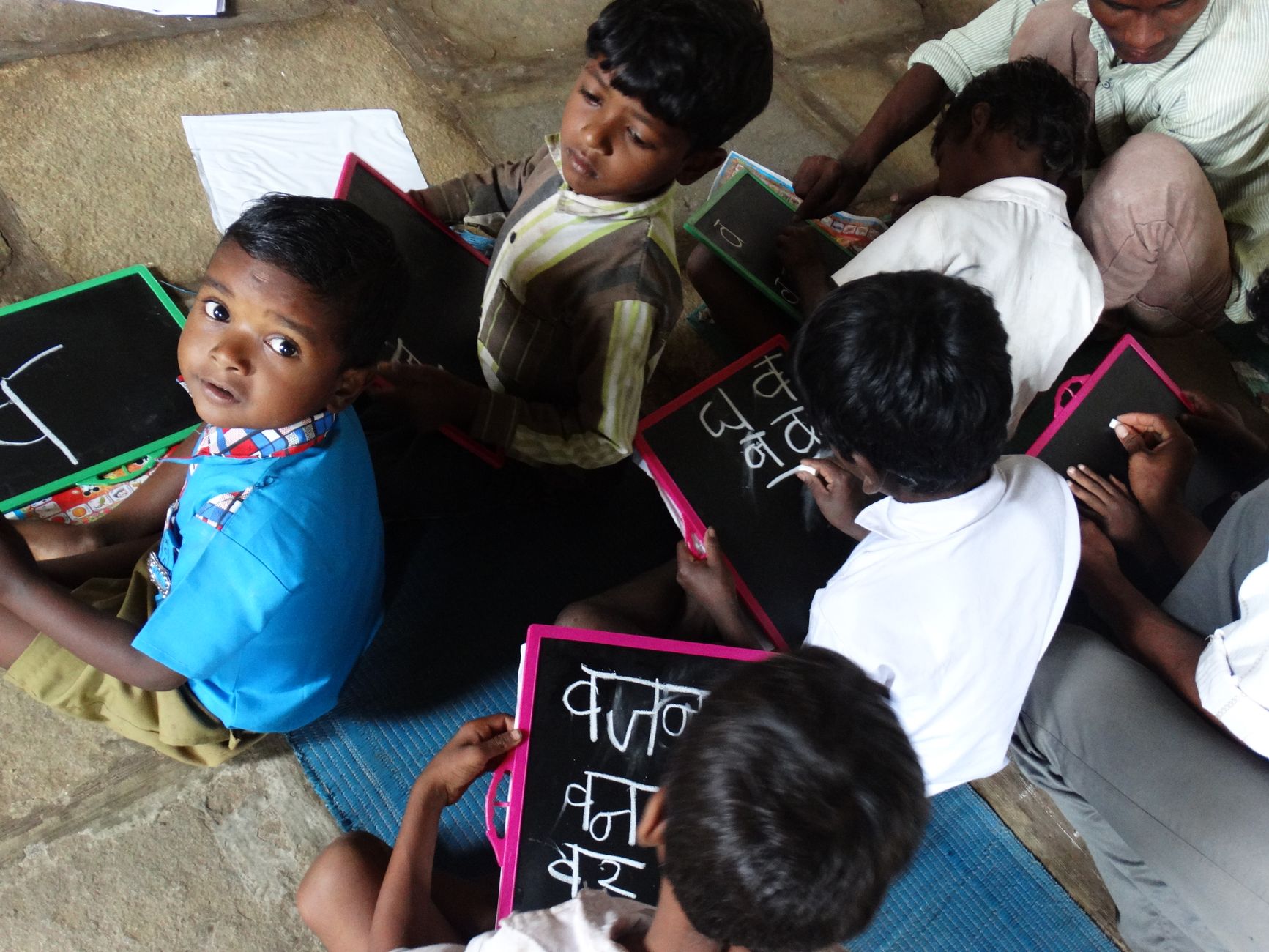
As corporate India's engagement with rural education deepens, several trends are emerging. Increased focus on STEM education prepares rural students for technology-driven economies. Greater emphasis on vernacular language learning resources respects local contexts while building foundational literacy. Partnerships between multiple corporations and organizations create scaled impact beyond what single entities can achieve.
The success of corporate-foundation collaborations in rural education offers a replicable model for addressing India's educational challenges. When corporations commit resources strategically and partner with organizations possessing community-level expertise, the combination can accelerate progress toward educational equity and rural development.