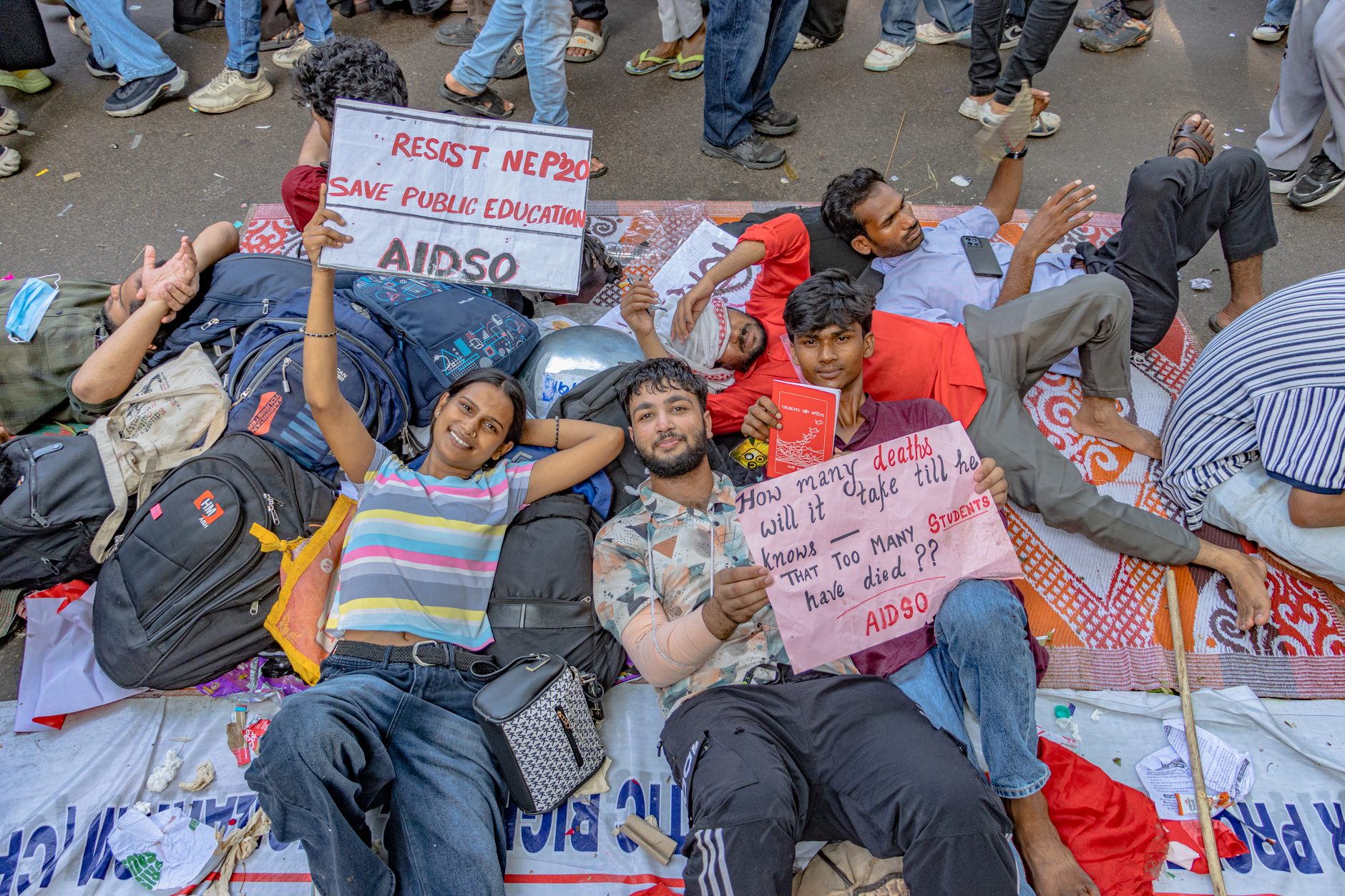
India has witnessed a significant shift in political activism as Generation Z students take to the streets, achieving what seemed impossible just years ago: forcing accountability at the highest levels of government. The recent wave of protests has resulted in a minister's resignation, but this development raises crucial questions about the future of youth activism and education policy in the world's most populous nation.
Understanding the New Wave of Youth Activism
Generation Z, broadly defined as those born between 1997 and 2012, represents a demographic unlike any before in India. They are digital natives who have grown up with social media, instant communication, and access to global perspectives. This generation comprises a substantial portion of India's population, with the country having one of the youngest demographics globally.
What sets these protesters apart is their organization and strategy. Unlike previous student movements that relied primarily on physical gatherings and traditional media coverage, today's young activists leverage social media platforms, online petitions, and digital coordination tools to amplify their voices and mobilize support rapidly across geographical boundaries.
The Power of Digital Mobilization
The current generation of students has mastered the art of creating viral moments and sustaining online pressure campaigns. When grievances emerge, whether related to examination policies, admission processes, or educational infrastructure, students can now organize within hours rather than days or weeks.
This digital infrastructure has several advantages. First, it allows for rapid dissemination of information and countering of misinformation. Second, it creates permanent documentation of events through photos, videos, and real-time updates. Third, it enables coordination across different cities and states simultaneously, creating a unified front that is harder for authorities to dismiss or ignore.
Key Issues Driving Student Protests
Several interconnected concerns have fueled the recent surge in student activism across India:
- Examination reforms and the perceived lack of consultation with students before implementing major policy changes
- Questions about the quality and accessibility of education, particularly in government-run institutions
- Concerns over the rising cost of education and its impact on students from economically disadvantaged backgrounds
- Issues related to campus freedom, including restrictions on political activities and expression
- Employment prospects and the gap between educational qualifications and job market requirements
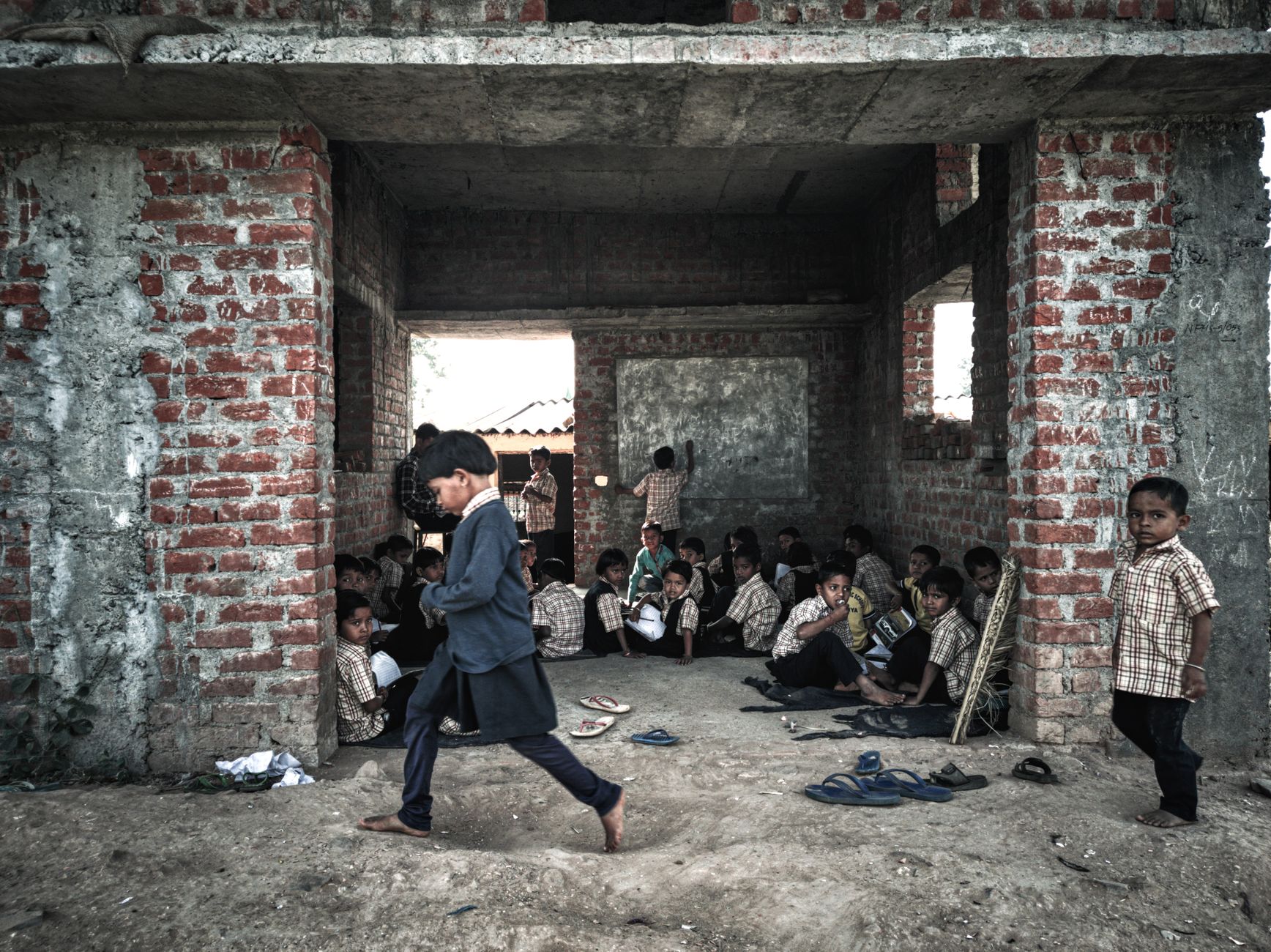
- Infrastructure deficiencies in educational institutions, particularly in rural and semi-urban areas
The Broader Implications for Governance
The success of student protests in achieving tangible outcomes like ministerial resignations sends several important signals. It demonstrates that young voters and soon-to-be voters cannot be taken for granted. Political parties across the spectrum are taking note, recognizing that this demographic will play an increasingly crucial role in electoral outcomes.
This shift also highlights the growing gap between traditional political decision-making processes and the expectations of a generation that values transparency, rapid response, and participatory governance. Students today expect to be stakeholders in decisions that affect their futures, not merely passive recipients of policy.
Challenges Ahead for the Movement
While the movement has achieved significant victories, sustaining momentum presents unique challenges. Student populations are inherently transient, with individuals graduating and moving on every few years. This creates leadership gaps and requires constant renewal of organizational structures.
There is also the risk of political co-option, where established parties attempt to channel student energy toward their own agendas rather than allowing organic, issue-based activism to flourish. Maintaining independence while still achieving concrete policy changes requires careful navigation.
What Comes Next
The real test lies in translating protest success into lasting institutional change. Some key areas to watch include:
- Whether students will form or join organizations that can engage with policymakers on an ongoing basis
- The development of formal mechanisms for student consultation in education policy formulation
- How educational institutions will adapt their governance structures to accommodate greater student participation
- Whether this activism will extend beyond education issues to broader social and political concerns
The coming months will reveal whether this represents a temporary surge in activism or a fundamental realignment of youth political engagement in India.
The Global Context
India's student protests are part of a global trend of youth-led activism, from climate strikes to democratic movements in various countries. Indian students are increasingly aware of these international parallels and draw inspiration from successful movements elsewhere while adapting tactics to local contexts.
This article is for general informational purposes only and does not constitute political advice or advocacy. Readers should form their own opinions on political and social matters based on multiple sources of information.