Freedom Park in Bengaluru has witnessed countless protests, celebrations, and gatherings since its establishment. But recent assemblies of Gen Z students and young professionals at this iconic venue reveal something deeper than routine activism—they represent a fundamental reimagining of India's educational landscape.
The New Face of Educational Advocacy
Generation Z, those born roughly between 1997 and 2012, are now entering universities and the workforce in large numbers. Unlike previous generations who often accepted the traditional education-to-employment pipeline, these young Indians are questioning everything from curriculum relevance to mental health support in academic institutions.
The gatherings at Freedom Park reflect a broader movement where students are demanding practical skills over rote memorization, mental wellness resources alongside academic rigor, and career pathways that align with rapidly changing global employment landscapes. These aren't scattered complaints but organized conversations about systemic reform.
What Gen Z Wants From Indian Education
The demands emerging from these youth movements center on several key themes:
- Curriculum modernization that includes digital literacy, critical thinking, and real-world problem-solving
- Mental health counseling and reduced academic pressure that contributes to student stress and anxiety
- Skill-based learning that prepares students for jobs that don't yet exist
- Inclusive education that addresses caste, gender, and economic disparities in access and opportunity
- Environmental education integrated across subjects, reflecting climate change concerns
- Entrepreneurship and financial literacy as core components rather than optional extras
These demands reflect lived experiences of a generation that has witnessed their older siblings struggle with unemployment despite advanced degrees, and who themselves navigate education during unprecedented disruptions like the COVID-19 pandemic.
The Digital Native Advantage
What makes Gen Z's approach distinctive is their sophisticated use of technology to organize, educate, and amplify their message. Social media campaigns complement physical gatherings, creating hybrid movements that reach beyond those who can attend in person.
These digital tools allow students from tier-2 and tier-3 cities to participate in conversations previously dominated by metropolitan voices. A student in Ranchi can share their perspective on educational inequities with the same platform as someone from Bengaluru, democratizing the reform dialogue.
Beyond Protest: Building Alternatives
What's particularly noteworthy about current student movements is their solution-oriented approach. Rather than simply criticizing existing systems, many Gen Z groups are creating alternatives—peer learning networks, mental health support communities, skill-sharing platforms, and career mentorship circles.
Some student collectives have launched online courses teaching practical skills missing from formal curricula. Others have created mental wellness apps specifically designed for academic stress. These initiatives demonstrate that Gen Z isn't waiting for institutions to change; they're building parallel systems while advocating for official reform.
The Employment Crisis Context
This educational activism cannot be separated from India's employment challenges. Despite economic growth, quality job creation hasn't kept pace with the number of graduates entering the market annually. The Centre for Monitoring Indian Economy has periodically reported troubling unemployment figures, particularly among educated youth.
Gen Z recognizes that reforming education alone won't solve employment issues, but they argue that outdated educational models actively hinder employability. When engineering graduates must undertake additional private training to become job-ready, or when liberal arts students find no clear career pathways, the education system itself becomes part of the problem.
Institutional Response and Resistance
Educational institutions and policymakers have shown mixed responses to these demands. Some universities have introduced mental health counselors and updated curricula. The National Education Policy 2020 incorporated several elements that align with student demands, including multidisciplinary learning and skill emphasis.
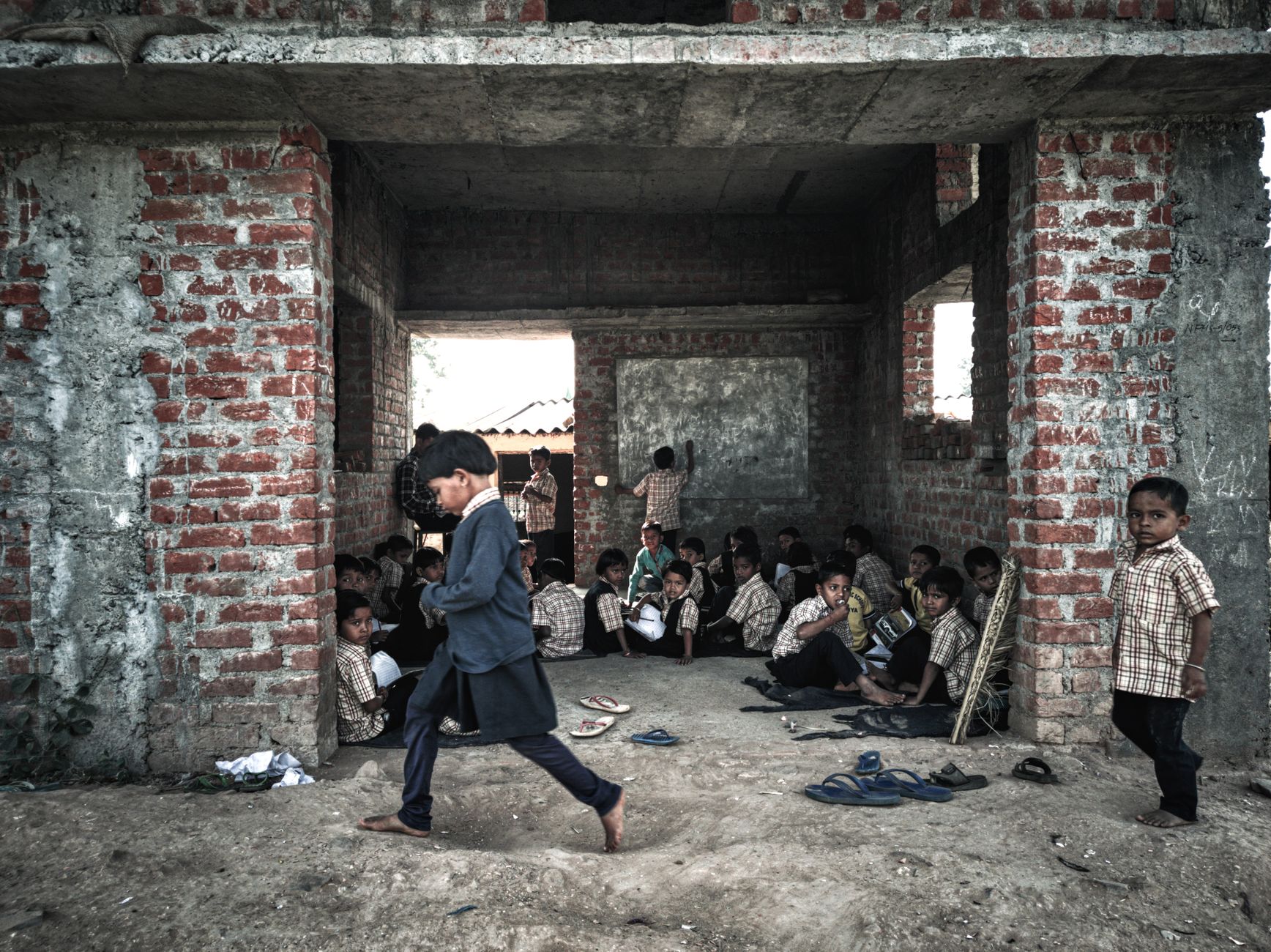
However, implementation remains inconsistent. Budget constraints, bureaucratic inertia, and resistance from traditionalists slow progress. Many students feel that while policies sound progressive on paper, ground-level change remains frustratingly slow.
A Generational Shift in Civic Engagement
The Freedom Park gatherings symbolize something larger than educational reform—they represent Gen Z's approach to civic participation. This generation views activism not as occasional protest but as continuous engagement. They seamlessly blend online and offline organizing, individual solutions and systemic advocacy, local action and national conversation.
As this generation matures into positions of greater influence, their insistence on mental health, practical skills, inclusive access, and environmental consciousness will likely reshape not just education but Indian institutions broadly. The zen moments at Freedom Park may be quiet conversations now, but they're drafting blueprints for India's future.