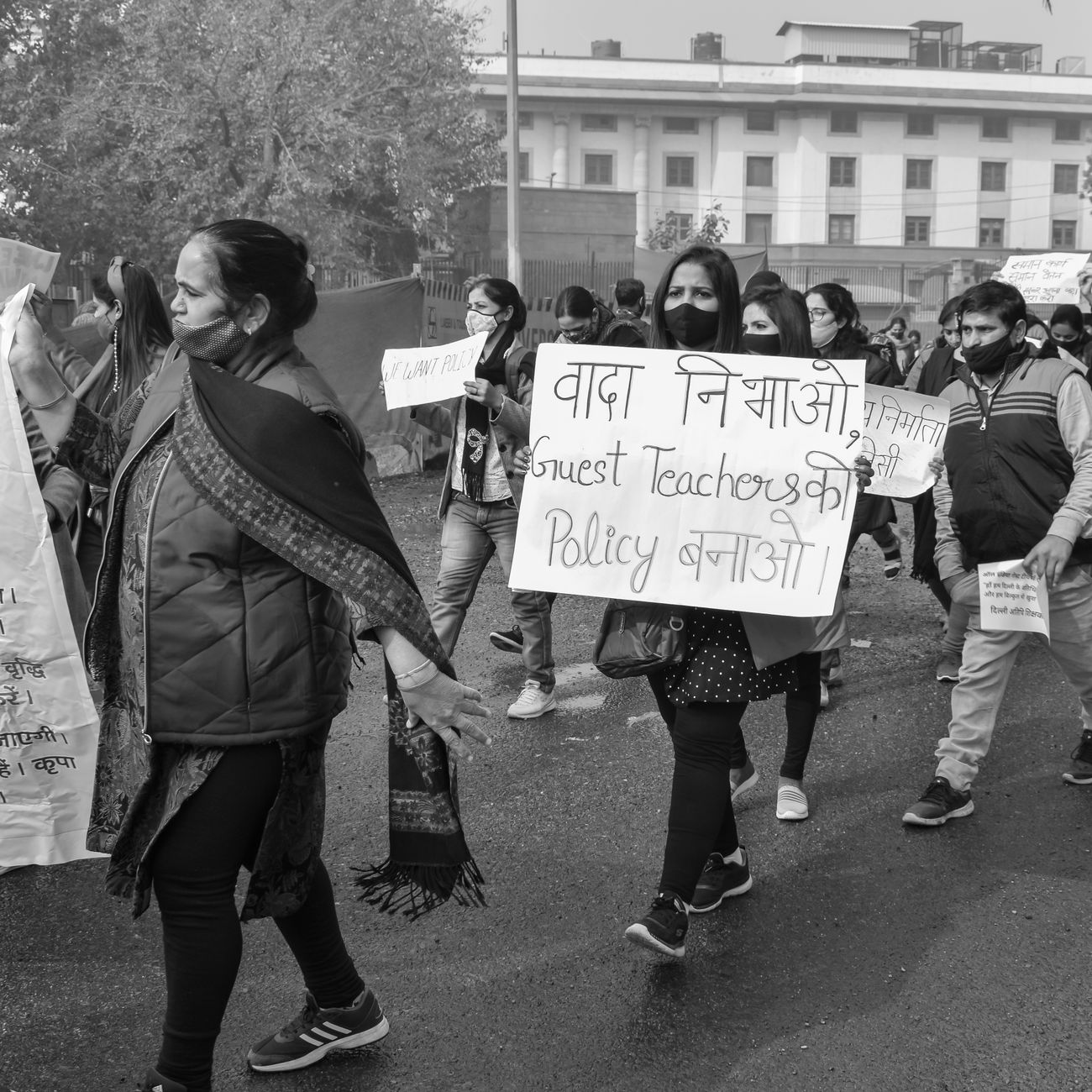
In a dramatic turn of events that underscores the power of youth activism in India, the country's education minister has tendered his resignation following weeks of intense protests by students and young people across the nation. The protesters, who have now declared victory and ended their demonstrations, had been demanding significant reforms in the education sector.
The Backdrop of Student Unrest
Student protests have been a recurring feature of India's democratic landscape, but this latest movement gained unprecedented momentum. Young Indians, particularly those in higher education institutions, have grown increasingly vocal about systemic issues plaguing the education sector. These concerns range from examination policies and fee structures to questions about curriculum relevance and job market preparedness.
The protests that led to this ministerial resignation were not isolated incidents but rather the culmination of long-standing grievances. Students across multiple states coordinated their efforts, using social media platforms to organize demonstrations, share information, and build solidarity. What began as campus-specific concerns soon evolved into a nationwide movement demanding accountability from the highest levels of educational administration.
Key Demands of the Protesters
The youth protesters had articulated several core demands that resonated with millions of students and their families:
- Reforms in examination and evaluation systems to reduce stress and promote holistic learning
- Transparency in policy-making processes affecting students and educational institutions
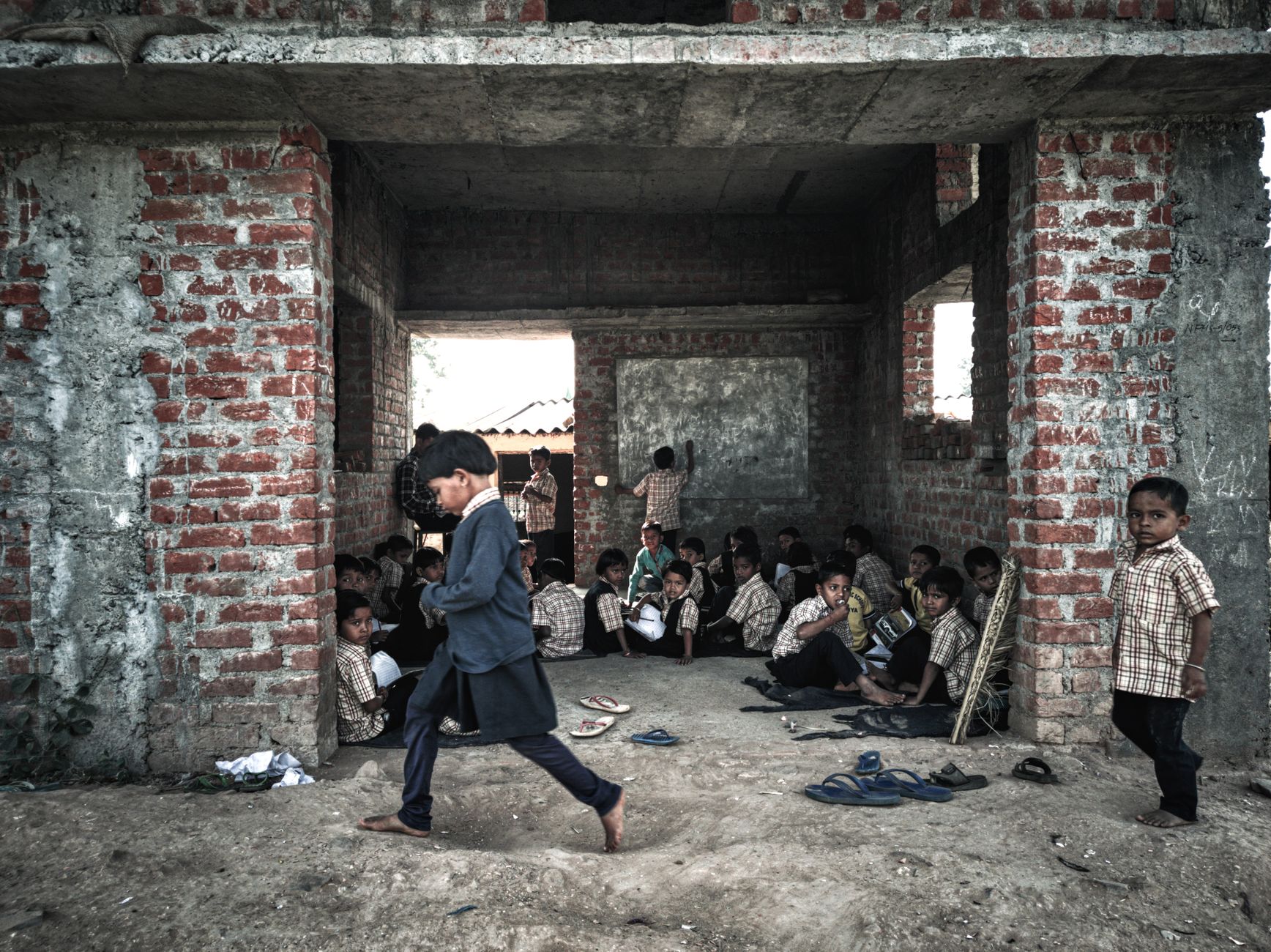
- Better infrastructure and resources for government schools and colleges
- Addressing unemployment concerns and improving the employability of graduates
- Reduction in educational costs and fees, particularly in professional courses
- Greater student representation in decision-making bodies
The Significance of This Resignation
Ministerial resignations following public protests are relatively rare in Indian politics, making this development particularly noteworthy. It sends a clear message that student voices and youth activism can influence policy and political decisions at the highest levels.
For the education sector, this change in leadership opens up possibilities for fresh approaches to long-standing challenges. However, it also raises questions about continuity in ongoing reforms and initiatives that were underway under the previous leadership.
Challenges Facing India's Education System
India's education landscape is vast and complex, serving over 250 million students across schools and higher education institutions. The sector faces multiple challenges that any new leadership will need to address.
The digital divide became painfully apparent during the pandemic, with millions of students lacking access to online learning resources. Infrastructure gaps persist, especially in rural areas where basic facilities remain inadequate. The quality of teaching varies dramatically across regions and institution types.
Employment concerns loom large over higher education. Despite producing millions of graduates annually, a significant skills gap exists between what students learn and what industries require. This mismatch has contributed to youth unemployment and underemployment rates that concern policymakers and families alike.
What Happens Next
The immediate question is who will take over the education portfolio and what approach they will bring. The new minister will inherit both opportunities and challenges, including the need to rebuild trust with student communities while advancing necessary reforms.
Students and youth activists have demonstrated their ability to organize and sustain pressure for change. This successful movement may embolden similar activism on other issues affecting young Indians, from employment to environmental concerns.
Broader Implications for Youth Politics
This episode highlights the growing political consciousness and organizational capacity of India's youth. With a median age of around 28 years, India has one of the world's youngest populations. This demographic reality means that issues affecting young people will increasingly shape political discourse and policy priorities.
The success of these protests may also influence how future governments engage with student bodies and youth organizations. Consultation and dialogue might become more routine, potentially preventing such confrontations in the future.
The Road Ahead for Education Reform
While the protesters have claimed victory, the real test lies in whether substantive reforms follow this political change. Resignations alone do not solve systemic problems. The education system requires sustained attention, adequate funding, and thoughtful policy-making to address its multiple challenges.
Stakeholders across the education ecosystem—teachers, administrators, parents, and students themselves—will need to engage constructively with whatever new leadership emerges. The energy and passion demonstrated during these protests, if channeled into ongoing dialogue and collaboration, could help drive meaningful improvements in how India educates its young people.
This moment represents both an ending and a beginning—the end of one chapter in education leadership and potentially the beginning of a new approach to addressing the aspirations and concerns of India's youth.