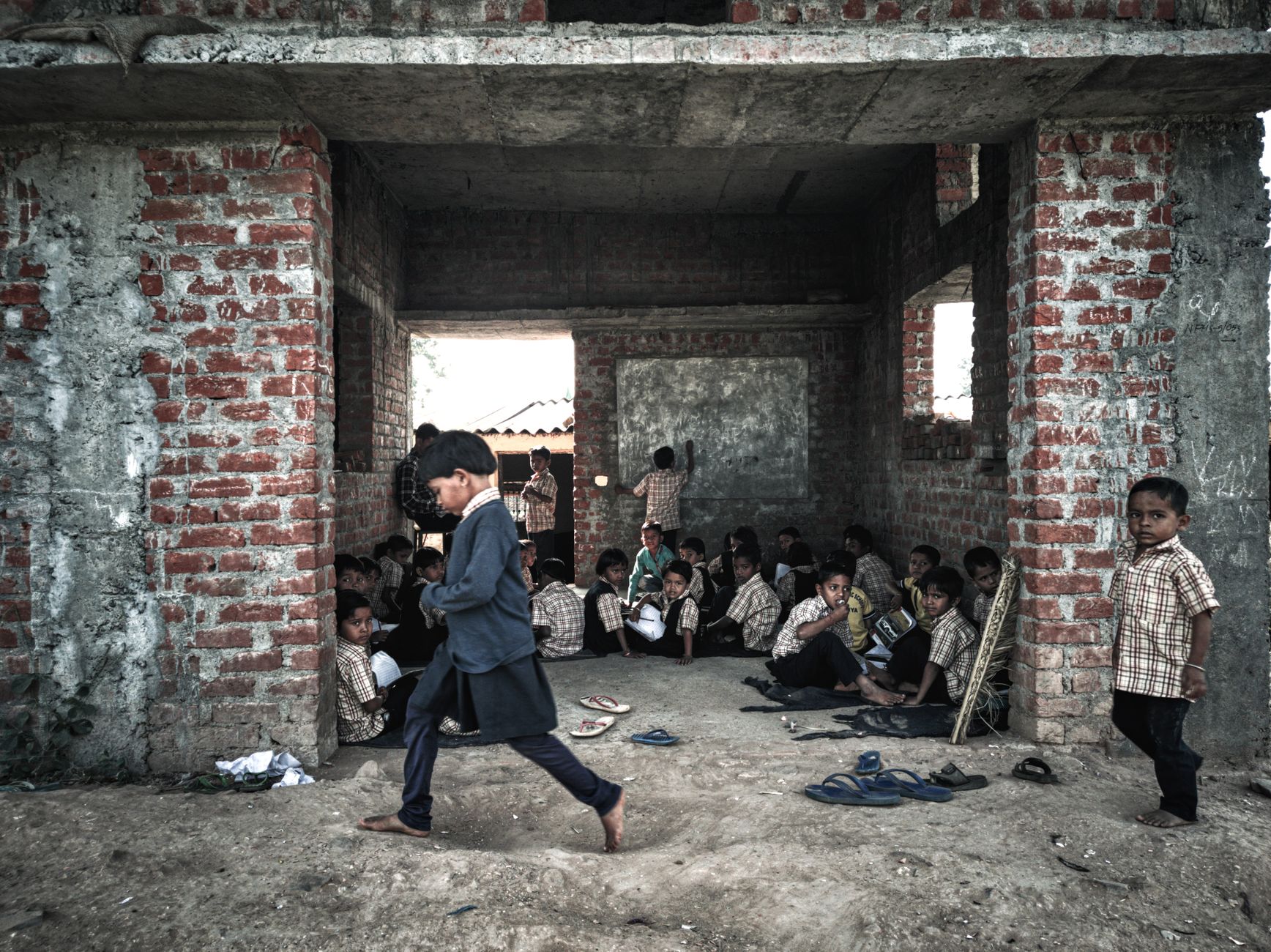
India's educational landscape is set for a strategic transformation as the All India Chess Federation (AICF), in collaboration with government bodies, launches a comprehensive initiative to integrate chess education into schools nationwide. This program represents a significant shift toward incorporating analytical and cognitive skill development into mainstream education.
The Vision Behind Chess Education
The initiative aims to introduce chess as a structured subject or extracurricular activity in schools across urban and rural India. Chess has long been recognized as an effective tool for developing critical thinking, problem-solving abilities, concentration, and strategic planning skills among young learners. By formalizing chess education, authorities hope to nurture these capabilities from an early age.
India's rich chess heritage, which has produced world champions and grandmasters, provides a strong foundation for this endeavor. The country currently boasts one of the largest populations of young chess players globally, and this program seeks to expand access to quality chess training far beyond metropolitan centers.
Key Components of the Program
The nationwide initiative encompasses several important elements designed for effective implementation:
- Development of standardized chess curriculum appropriate for different age groups and skill levels
- Training programs for teachers who will deliver chess instruction in schools
- Provision of chess equipment including boards, pieces, and digital learning resources
- Organization of inter-school tournaments and competitions at district, state, and national levels
- Integration with existing educational frameworks without disrupting core academic schedules
- Special focus on government schools and underserved areas to ensure inclusive access
Cognitive Benefits for Students
Research has consistently shown that chess education offers numerous developmental advantages for children. Students who learn chess demonstrate improved mathematical abilities, enhanced reading comprehension, and better memory retention. The game teaches patience, discipline, and the ability to think several steps ahead—skills that translate directly to academic performance and real-world decision-making.
Chess also helps develop emotional intelligence by teaching students to handle both victory and defeat gracefully. The competitive yet respectful nature of the game fosters sportsmanship and resilience, qualities essential for personal growth.
Implementation Strategy
The rollout of this program follows a phased approach. Initial pilot programs in select schools will help refine teaching methodologies and identify challenges before wider expansion. States with existing chess infrastructure and trained personnel may see faster implementation, while others will receive targeted support to build capacity.
Digital platforms and online resources will complement classroom instruction, particularly in remote areas where finding qualified chess instructors may be challenging. Mobile applications and video tutorials can provide students with opportunities to practice and learn at their own pace.
Addressing Practical Challenges
Implementing chess education nationwide presents several logistical challenges. Teacher training remains a primary concern, as many educators may have limited knowledge of chess. The program includes comprehensive training modules to address this gap, potentially leveraging chess professionals and former players as trainers.
Resource allocation is another consideration, particularly in government schools with budget constraints. The initiative seeks to minimize costs through bulk procurement of materials and development of shared resources that multiple schools can access.
Expected Impact on Indian Chess
Beyond individual student development, this initiative could significantly strengthen India's position in global chess. By creating a larger talent pool and identifying gifted players early, the program may produce the next generation of Indian chess champions. Schools could serve as feeder systems for advanced chess academies and professional training centers.
The democratization of chess education also means that talent from all socioeconomic backgrounds will have opportunities to excel. This inclusive approach may uncover prodigious talent in areas previously overlooked by the chess establishment.
Building Life Skills Through Chess
While competitive success is valuable, the program emphasizes chess as a life skill development tool. The analytical thinking required in chess applies to numerous career paths, from technology and finance to law and medicine. Students learn to analyze complex situations, weigh multiple options, and make informed decisions under pressure—capabilities that serve them well regardless of their chosen profession.
The collaborative aspects of chess culture, including group analysis and post-game discussions, also teach communication skills and the ability to learn from mistakes.
This nationwide chess education initiative represents a forward-thinking approach to holistic student development, combining India's chess legacy with modern educational objectives to prepare students for an increasingly complex world.